Cycling in Wet Conditions: Essential Techniques and Safety Tips for Rainy Rides
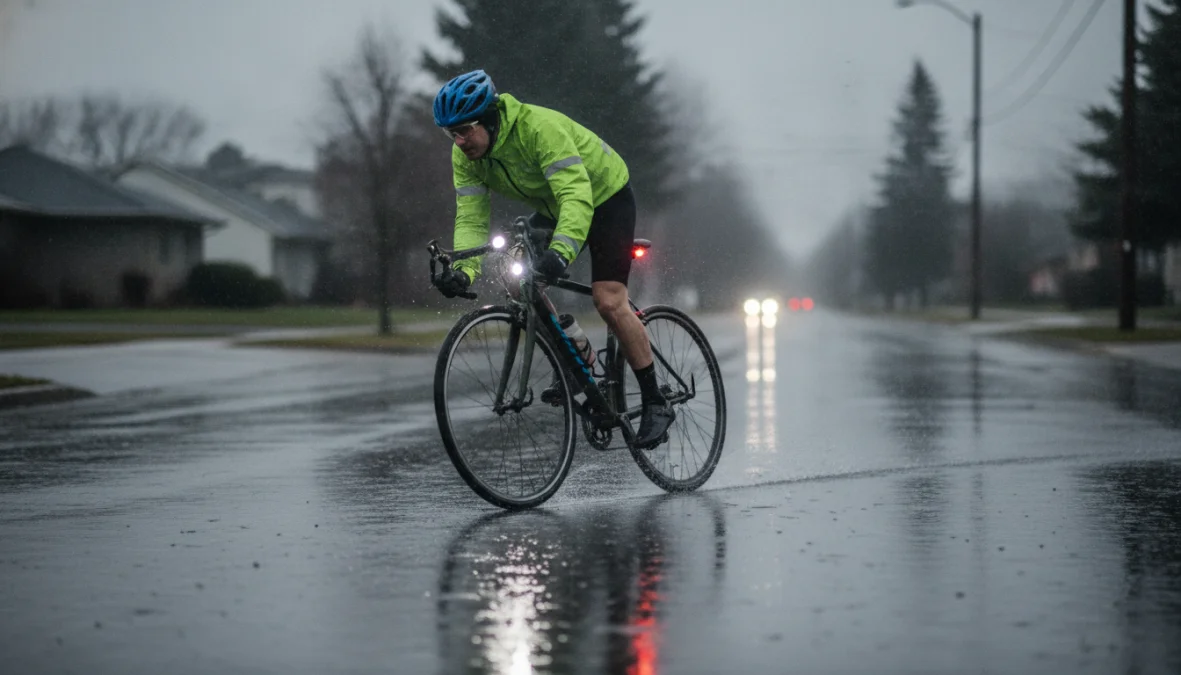
Rain doesn’t have to mean staying indoors and skipping your ride. While cycling in wet conditions definitely requires extra caution and preparation, it can actually be a rewarding experience that builds your skills and confidence. Many cyclists who learn how to handle rainy weather rides discover they enjoy the quieter roads and the satisfaction of conquering challenging conditions. Whether you’re commuting to work or training for an event, mastering wet weather cycling techniques will make you a more complete and capable rider year-round.
Essential Techniques for Cycling in Wet Conditions
Riding your bike in rain demands significant adjustments to your normal cycling technique. The most critical change involves braking performance on wet roads. When roads are wet, your brake pads need extra time to clear water from the rims or rotors before they grip effectively. This means you should start braking much earlier than you would in dry conditions—typically twice the distance. Apply your brakes gently and progressively rather than suddenly, and use both front and rear brakes in a balanced manner to maintain control and prevent skidding.
Cornering techniques in rain require equal attention. The key principle for wet road cycling is to slow down before entering the turn, not during it. Reduce your speed well in advance, then maintain a steady pace through the corner with minimal lean angle. Avoid aggressive steering inputs or sudden movements that could break traction control. Road markings, painted crosswalks, metal manhole covers, and tram tracks become incredibly slippery surfaces when wet—plan your line to avoid these hazards entirely whenever possible.
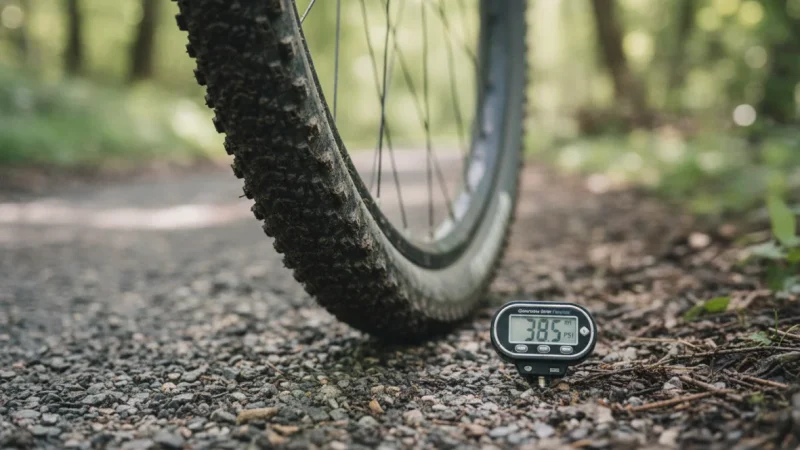
For better road grip, consider slightly reducing your tire pressure by 5-10 PSI. This increases the contact patch with the road surface, improving traction without significantly increasing rolling resistance. When it comes to choosing your path, avoid riding through puddles if you can see what’s underneath them—they might hide potholes or debris. Stay alert for the risk of hydroplaning, which occurs when a layer of water builds between your tires and the road surface, causing complete loss of traction.
Shift gears earlier than usual when approaching hills or changes in gradient. Wet conditions can cause your chain to slip if you’re pushing hard in a big gear, so anticipate terrain changes and shift smoothly before you need the different ratio. Similar techniques apply to descending—check out our guide on cycling descending techniques for more advanced control strategies that also apply in wet weather.
Cycling Rain Gear and Equipment for Wet Weather Riding
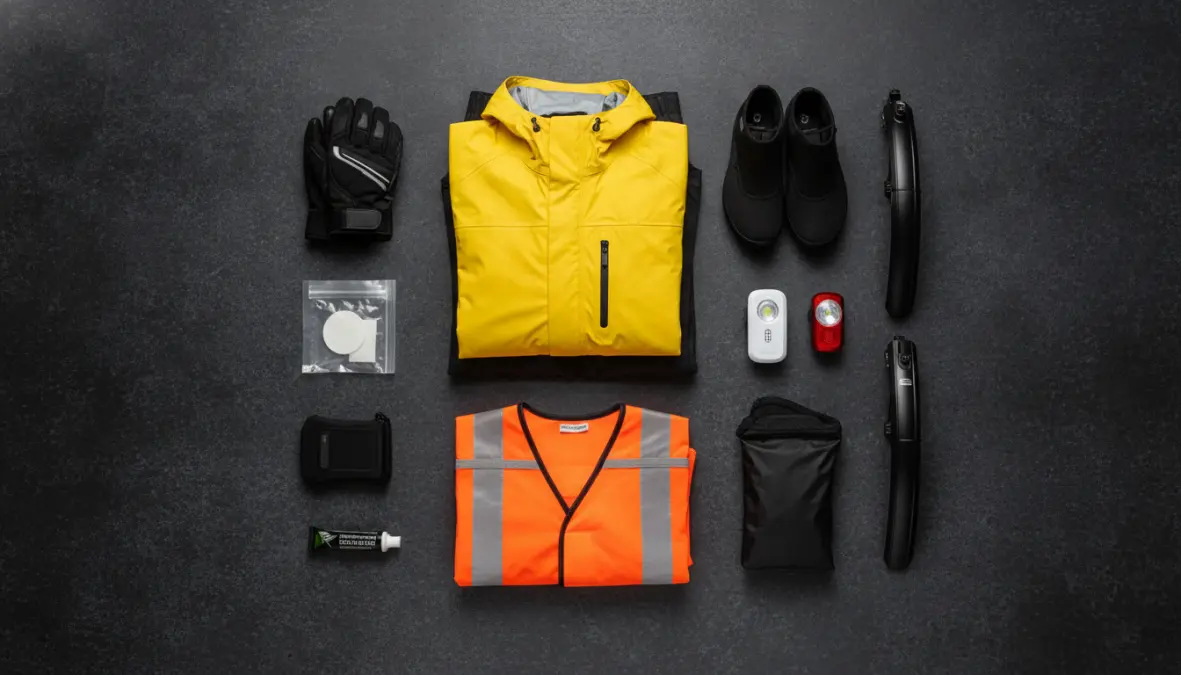
Proper cycling rain gear makes the difference between a miserable slog and an enjoyable ride. Your first priority should be a high-quality waterproof jacket that’s also breathable. Look for jackets with sealed seams, adjustable cuffs, and a longer back panel to keep spray off your lower back. Pair this with waterproof overpants or bib tights designed for rainy day cycling—they’ll keep your legs dry and warm without the uncomfortable sweatiness of non-breathable materials.
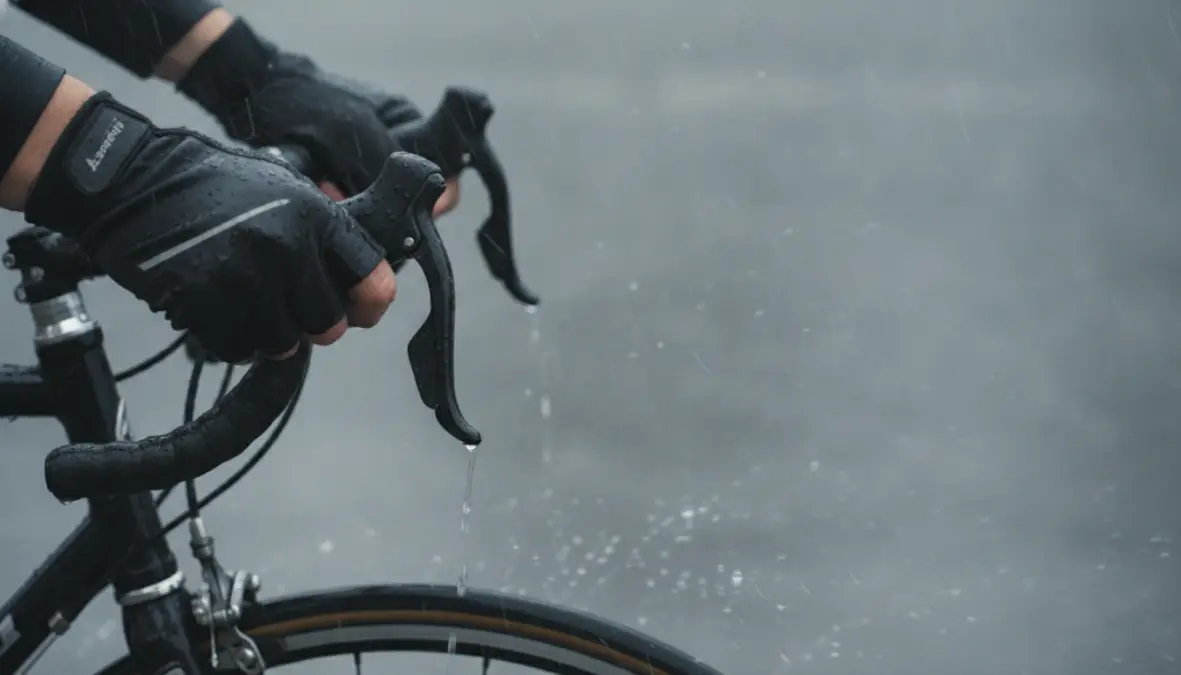
Don’t overlook your extremities. Waterproof clothing for your hands and feet is essential: invest in neoprene or Gore-Tex gloves that maintain dexterity, and use shoe covers or fully waterproof cycling shoes. Cold, wet hands dramatically reduce your ability to brake and shift effectively, while wet feet can lead to discomfort and even hypothermia in cooler temperatures.
Your bike needs preparation too. Fenders (mudguards) are the single most effective upgrade for wet weather cycling, keeping road spray off you and your bike’s components. They’re especially important for commuters who don’t want to arrive at work soaked. Install high-quality, full-coverage fenders front and rear for maximum protection.
Visibility becomes critically important in rainy conditions when light levels drop and car windows fog up. Upgrade to more powerful lights—at least 200 lumens front and rear—and use flashing modes to attract attention. Wear reflective or high-visibility clothing; bright colors with reflective strips ensure drivers see you from all angles. Consider tires with better tread patterns designed specifically for wet conditions, which significantly improve grip on slick surfaces.
Essential items to carry on every wet weather ride include:
- Spare inner tubes and a waterproof bag for your phone
- A small towel for wiping down your bike and yourself
- Chain lubricant designed for wet conditions
- Clear or yellow-tinted glasses to protect your eyes
- Emergency contact information in a waterproof pouch
Critical Safety Considerations for Cycling in Rain
Safety while cycling in rain extends beyond technique and equipment. Reduced visibility affects everyone on the road—drivers can’t see you as easily, and you can’t see hazards as clearly either. Fog, spray, and rain on glasses all contribute to this problem. Position yourself more conservatively in traffic, avoid filtering between cars when visibility is poor, and make your presence known with lights and bright clothing.
Specific wet weather hazards require constant attention. Wet leaves are as slippery as ice, particularly in autumn when they accumulate in corners and on bike paths. Metal surfaces like drain covers, bridge expansion joints, and railway tracks become treacherous. Even painted road markings lose nearly all their grip when wet. Scan ahead constantly and plan your line to avoid these danger zones.
Increase your following distance behind other vehicles dramatically—remember that your stopping distance has potentially doubled. Allow extra space when passing parked cars too, as drivers may not see you approaching. When planning your route, consider quieter roads with less traffic, or dedicated cycle paths where you won’t be competing with vehicles for space. Just as you’d adapt your strategy when cycling in the heat, wet weather demands route modifications.
Know when not to ride. Thunderstorms with lightning, severe flooding, or storm-force winds make cycling genuinely dangerous. Being committed to training is admirable, but not at the cost of your safety. On such days, an indoor session is the smarter choice—our guide on transitioning from indoor to outdoor cycling offers alternatives for maintaining fitness.
After every rainy ride, perform essential maintenance: clean your bike thoroughly, dry the frame and components, re-lubricate your chain with wet-weather lubricant, and check your brake pads for wear. Water accelerates corrosion and component degradation, so post-ride care extends your bike’s lifespan significantly.
FAQ: Common Questions About Wet Weather Cycling
Is it safe to cycle in the rain?
Yes, cycling in rain is safe when you adapt your technique, use appropriate gear, and stay alert to hazards. Reduce your speed, brake earlier, avoid slippery surfaces, and ensure you’re visible to other road users. Most experienced cyclists ride regularly in wet conditions without incident.
How do you brake when cycling in wet conditions?
Start braking much earlier than in dry conditions—at least twice the normal distance. Apply brakes gently and progressively, using both front and rear together. Wet brake pads need time to clear water before gripping effectively, so avoid sudden hard braking that could cause skidding.
What should I wear for rainy day cycling?
Wear a breathable waterproof jacket, waterproof pants or overshorts, shoe covers, waterproof gloves, and high-visibility or reflective clothing. Layer appropriately underneath since rain often means cooler temperatures. Don’t forget clear or yellow-tinted eyewear to protect your vision from spray and rain.
Do I need special tires for wet road cycling?
While not absolutely necessary, tires with better tread patterns designed for wet conditions significantly improve grip and safety. Look for tires with small grooves that channel water away from the contact patch. Slightly reducing tire pressure also increases traction on wet surfaces.
How can I stay visible while cycling in rain?
Use powerful front and rear lights (minimum 200 lumens) in flashing mode, wear bright or fluorescent clothing with reflective strips, and consider adding spoke reflectors or reflective tape to your bike. Visibility is severely reduced in rain, so make yourself impossible for drivers to miss.
Mastering cycling wet conditions transforms what many see as an obstacle into just another enjoyable ride. With the right techniques, proper gear, and smart safety practices, you’ll find that rainy rides offer their own unique pleasures—quieter roads, cooler temperatures, and the deep satisfaction of knowing you’re a capable all-weather cyclist. Don’t let a little rain keep you off the bike; embrace it as an opportunity to develop skills that will serve you throughout your cycling journey.