Tempo Runs for Triathletes: Building Sustainable Race Pace

You’ve crushed your swim intervals, logged countless miles on the bike, and now comes the run—except your legs feel like cement blocks. Sound familiar? If you’re a triathlete, you know that running off the bike is a completely different beast than pure running. That’s precisely why tempo runs for triathletes deserve a special place in your training arsenal. They’re not just about getting faster; they’re about building the kind of sustainable race pace that holds up when fatigue sets in during the final discipline of your race.
What Are Tempo Runs and Why Triathletes Need Them
Tempo runs are controlled, sustained efforts performed at a comfortably hard pace—typically around 80-90% of your maximum heart rate or roughly 15-30 seconds per mile slower than your 5K race pace. Unlike easy runs that build aerobic base or interval sessions that spike your heart rate, tempo runs for triathletes live in that sweet spot where you’re working hard but could theoretically maintain a conversation in short sentences.
For triathletes specifically, tempo runs deliver three critical physiological adaptations. First, they improve your lactate threshold—the point at which lactate accumulates faster than your body can clear it. Raising this threshold means you can hold a faster race pace without crossing into that “my legs are on fire” territory. Second, they enhance running economy, teaching your body to use oxygen more efficiently at race pace. Third, they create metabolic adaptations that help your body become better at utilizing fat for fuel while sparing glycogen—absolutely crucial for longer distance events.
But here’s what makes tempo runs uniquely valuable for triathlon: they simulate the neuromuscular fatigue you’ll experience after swimming 1.2 miles and cycling 56 miles. Your run leg in a triathlon isn’t fresh—it’s pre-fatigued, glycogen-depleted, and mentally challenged. Regular tempo work trains your body to maintain form and pace under precisely these conditions. Understanding your heart rate zones can help you dial in the perfect tempo effort.
How to Structure Tempo Runs for Triathlon Success
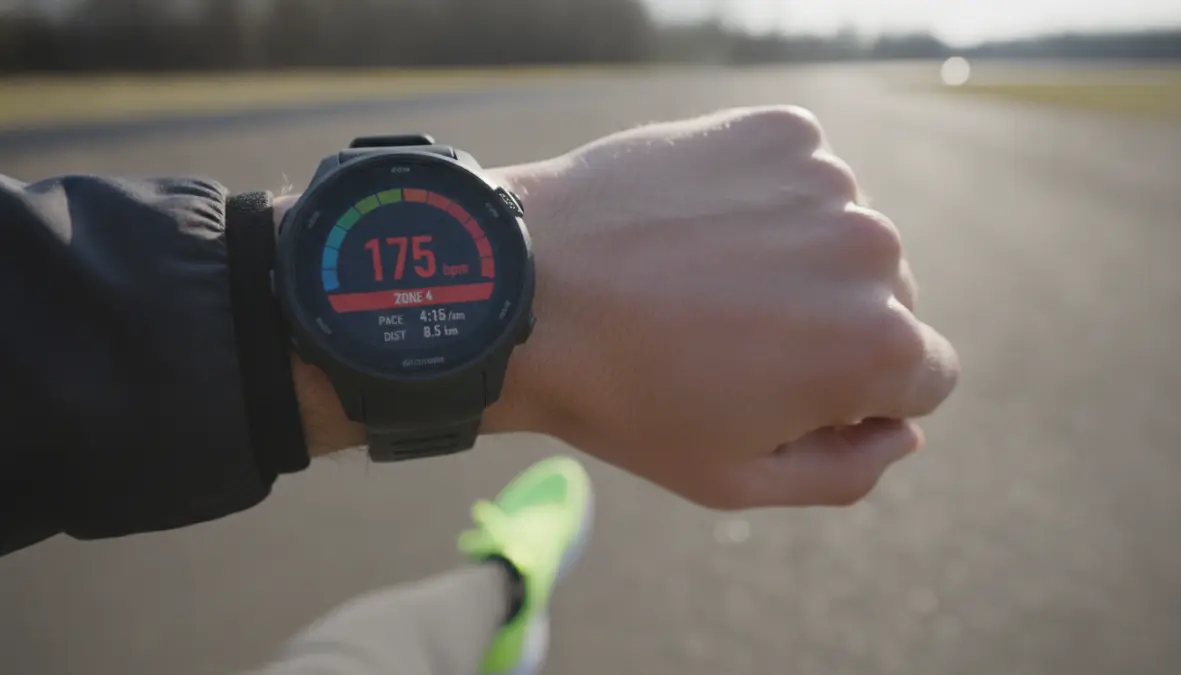
Getting your tempo run structure right makes the difference between productive training and junk miles. Start by identifying your correct tempo pace. For most triathletes, this sits at approximately 85-90% of threshold pace, or conversely, the pace you could theoretically hold for about an hour in a standalone race. You can determine this through a recent 10K race time, a field test, or by monitoring your heart rate zones during training. It should feel challenging but controlled—you’re working, not racing.
Every tempo run should follow a classic three-part structure: a proper warm-up (10-15 minutes easy running), the tempo block itself, and a cool-down (10 minutes easy). Never skip the warm-up—jumping straight into tempo pace is a recipe for injury and poor performance. Your tempo block duration depends entirely on your target race distance:
- Sprint Distance: 15-20 minute tempo blocks, focusing on higher intensity and turnover
- Olympic Distance: 20-30 minute tempo blocks at sustainable race pace
- 70.3 Half Ironman: 30-40 minute tempo blocks, emphasizing endurance at threshold
- Ironman: 20-30 minute tempo blocks (yes, shorter!), since your race pace will be below tempo pace
Regarding weekly frequency, most triathletes benefit from one quality tempo run per week during build phases, strategically placed when you’re relatively fresh. If you’re following a periodized plan similar to approaches outlined in triathlon training for beginners, position your tempo run on a day with lighter bike volume or at least 24 hours after a hard bike session.
Integration with swimming and cycling requires careful planning. A sample week might look like: Monday (swim), Tuesday (tempo run), Wednesday (bike intervals), Thursday (easy swim and run), Friday (long bike), Saturday (brick workout), Sunday (long run). This spacing allows adequate recovery between high-intensity sessions while maintaining the frequency needed across all three disciplines.
Tempo Run Variations for Different Training Phases
Monotony kills adaptation. During your base phase, stick with classic steady-state tempo runs to build foundation. As you move into build phases, introduce cruise intervals—breaking your tempo block into 2-3 segments with 90 seconds recovery between (example: 3 x 10 minutes at tempo with 90-second jog). These maintain quality while managing fatigue.
Progression tempo runs start at the slower end of tempo pace and gradually build to the faster end, mimicking the negative-split strategy many triathletes employ on race day. Perhaps the most triathlon-specific variation is the brick tempo run—performing your tempo run immediately after a moderate bike session (45-60 minutes). This trains your legs to find rhythm despite pre-fatigue. Finally, tempo runs on rolling terrain prepare you for hilly race courses while building strength. During taper, reduce tempo volume by 50-60% but maintain intensity to preserve sharpness without accumulating fatigue.

Common Mistakes and How to Maximize Tempo Run Benefits
The number one mistake? Running tempo runs too hard. Many triathletes treat tempo sessions like threshold intervals, pushing into that 95-100% zone where they’re basically racing. This creates excessive fatigue, compromises recovery, and prevents you from completing subsequent quality sessions. Your tempo run should feel controlled—disciplined hard, not desperate hard. Use heart rate monitoring or pace targets to keep yourself honest.
Skipping the warm-up and cool-down is another classic error. These bookend phases aren’t optional—they’re integral to the workout’s effectiveness and your long-term injury prevention. Similarly, doing too many tempo runs weekly leads to chronic fatigue and diminishing returns. One quality tempo session beats two mediocre ones every single time.
Triathletes must also account for cumulative fatigue from swimming and cycling. If you’re dragging from a brutal bike session yesterday, either skip the tempo run or convert it to an easy run. Forcing quality when your body needs recovery doesn’t make you tougher—it makes you slower and more injury-prone. Watch for signs of overtraining: persistent elevated resting heart rate, inability to hit tempo pace at normal effort, mood changes, or recurring minor injuries.
Maximize benefits by monitoring both heart rate and pace. Sometimes pace lags heart rate (you’re working hard but not moving fast)—this signals fatigue or environmental factors. Prioritize recovery between quality sessions: adequate sleep, proper hydration, and nutrition. Progress gradually, adding just 5-10% tempo duration every 2-3 weeks. Remember that building sustainable race pace is a marathon, not a sprint—consistency over months beats heroic efforts over weeks. The mental discipline required to run controlled tempo runs also builds the psychological resilience you’ll need on race day, making mental training a perfect complement to physical preparation.
FAQ
How often should triathletes do tempo runs?
Most triathletes benefit from one tempo run per week during build phases. During base training, every 10-14 days is sufficient. In taper, reduce to one shortened tempo session 10-14 days before race day, then focus on easy running with brief pickups to maintain leg turnover without fatigue.
What’s the difference between tempo pace and race pace for triathletes?
For Olympic distance and shorter, tempo pace closely mirrors your triathlon run race pace. For 70.3, tempo pace is slightly faster than race pace. For Ironman, tempo pace is significantly faster than your marathon race pace—think of it as building the ceiling so your sustainable race pace has room underneath.
Can I do tempo runs on a treadmill?
Absolutely. Treadmills offer controlled pacing and can be useful for maintaining consistency despite weather. Set a 1% incline to better simulate outdoor running resistance. However, periodically run tempos outdoors to practice pacing by feel and adapt to terrain variation.
Should I do tempo runs during taper?
Yes, but modified. About 10-14 days before race day, do one shortened tempo run (50-60% of your normal tempo duration) to maintain neuromuscular sharpness. After that, stick to easy runs with short race-pace efforts of 30-60 seconds to keep your legs feeling snappy without accumulating fatigue.
Tempo runs aren’t glamorous. They don’t generate the Instagram-worthy split times of interval sessions or the endurance bragging rights of long runs. But for triathletes specifically, they’re the unglamorous secret weapon that builds the sustainable race pace you need when your legs are screaming and you’ve still got miles to go. Master the tempo run, respect its purpose, and watch your run splits become your strongest discipline.