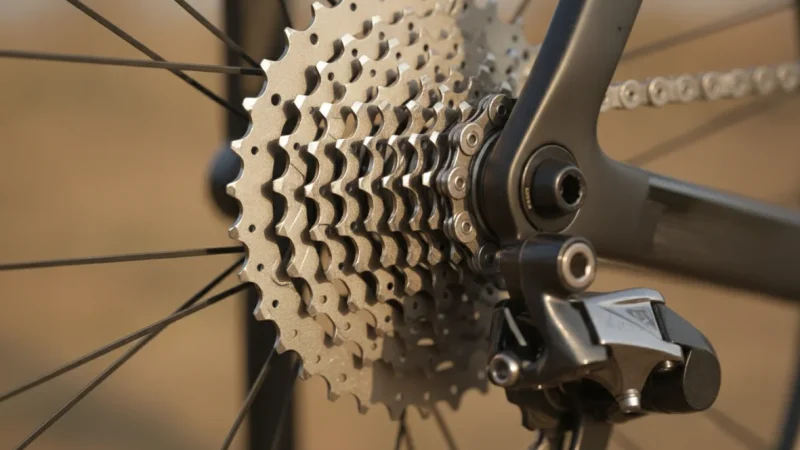
Cycling Pedal Types Comparison: Complete Guide to Clipless, Platform, and Flat Pedals
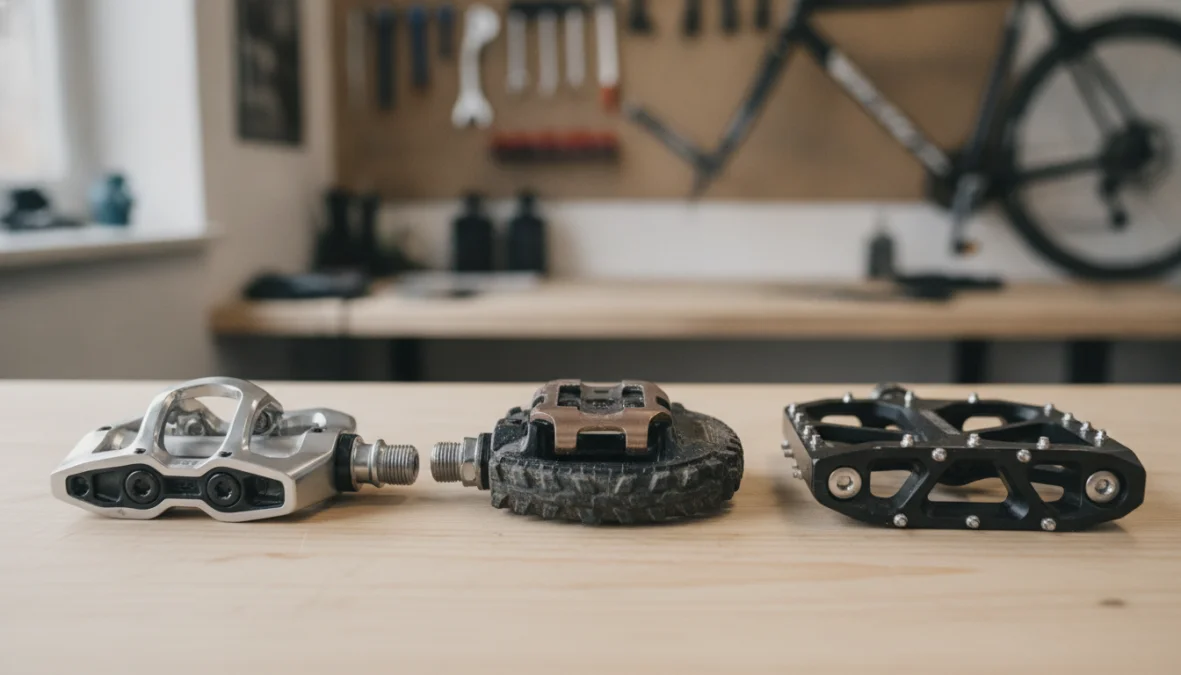
If you’ve ever felt overwhelmed standing in a bike shop staring at a wall of pedals, you’re not alone. The decision between cycling pedal types can genuinely affect your riding experience, comfort, and performance. Whether you’re commuting to work, tackling mountain trails, or pushing for that personal best on the road, understanding the differences between clipless pedals, platform pedals, and flat pedals will help you make the right choice for your cycling adventures.
Understanding the Three Main Cycling Pedal Types
The world of cycling pedal systems essentially breaks down into three categories, each designed with specific riding styles in mind. Clipless pedals use a mechanical cleat system that locks your cycling shoes directly to the pedal, despite the confusing name that suggests the opposite. Platform pedals and flat pedals are largely interchangeable terms, though platform typically refers to larger, more substantial designs with better grip surfaces.
The original distinction came from road racing’s need for maximum power transfer efficiency, which led to the development of toe clips and straps in the early days, later evolving into today’s clipless systems. Meanwhile, flat pedals remained the choice for casual riding, commuting, and eventually became highly refined for disciplines like downhill mountain biking where quick foot repositioning matters more than attachment.
| Pedal Type | Attachment Method | Shoe Requirement | Learning Curve | Best For |
|---|---|---|---|---|
| Clipless | Mechanical cleat | Specific cycling shoes | Moderate to steep | Road cycling, XC racing |
| Platform/Flat | Pins/grip surface | Any shoes | Minimal | Commuting, trail, downhill |
| Toe Clips | Cage and strap | Regular shoes | Low | Vintage/retro setups |
Clipless Pedals: How They Work
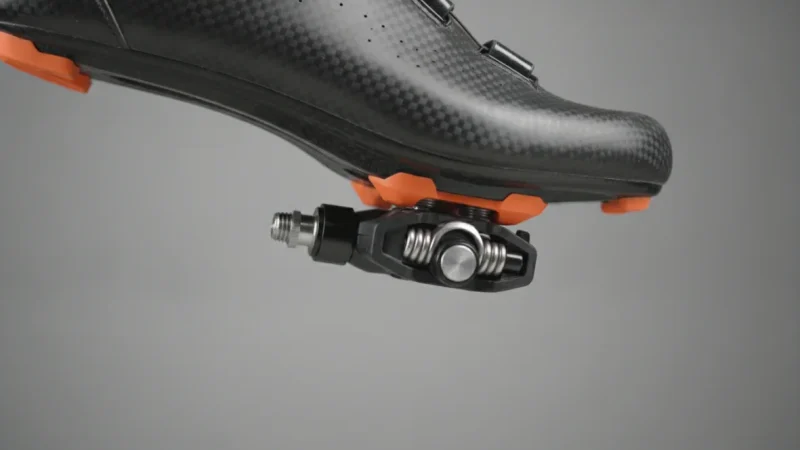
Despite their name, clipless pedals actually clip you in—they’re called “clipless” because they eliminated the old-school toe clips. The system uses a cleat bolted to the sole of your cycling shoes that snaps into a spring-loaded mechanism on the pedal. Popular cleat systems include SPD pedals (Shimano Pedaling Dynamics) for mountain biking, SPD-SL for road cycling, Look Keo, and Speedplay.
The magic happens through pedal engagement: you step down with the cleat aligned to the pedal, hear a satisfying click, and you’re locked in. To release, you twist your heel outward past a predetermined tension point. Many systems offer float adjustment, allowing your foot to rotate slightly while attached, reducing knee stress. This pedal retention means you can pull up as well as push down, theoretically improving power transfer efficiency by utilizing more of the pedal stroke—though research shows this benefit is sometimes overstated for recreational riders.
Platform and Flat Pedals: The Key Differences
The difference between platform and flat pedals is mostly semantic. Both terms describe pedals that don’t attach to your shoes, relying instead on friction and surface area for grip. “Platform” often suggests larger pedals with adjustable pins that bite into your shoe sole, while “flat” can refer to any non-clipless pedal, including smaller, basic designs.
Modern mountain bike pedals in the flat category are engineering marvels—wide platforms (100-110mm), replaceable steel pins, sealed bearings, and materials like aluminum or composite that balance weight and durability. They provide excellent pedal retention through mechanical grip rather than attachment, allowing instant foot repositioning when technical terrain demands it.
Clipless vs Flat Pedals: Detailed Performance Comparison
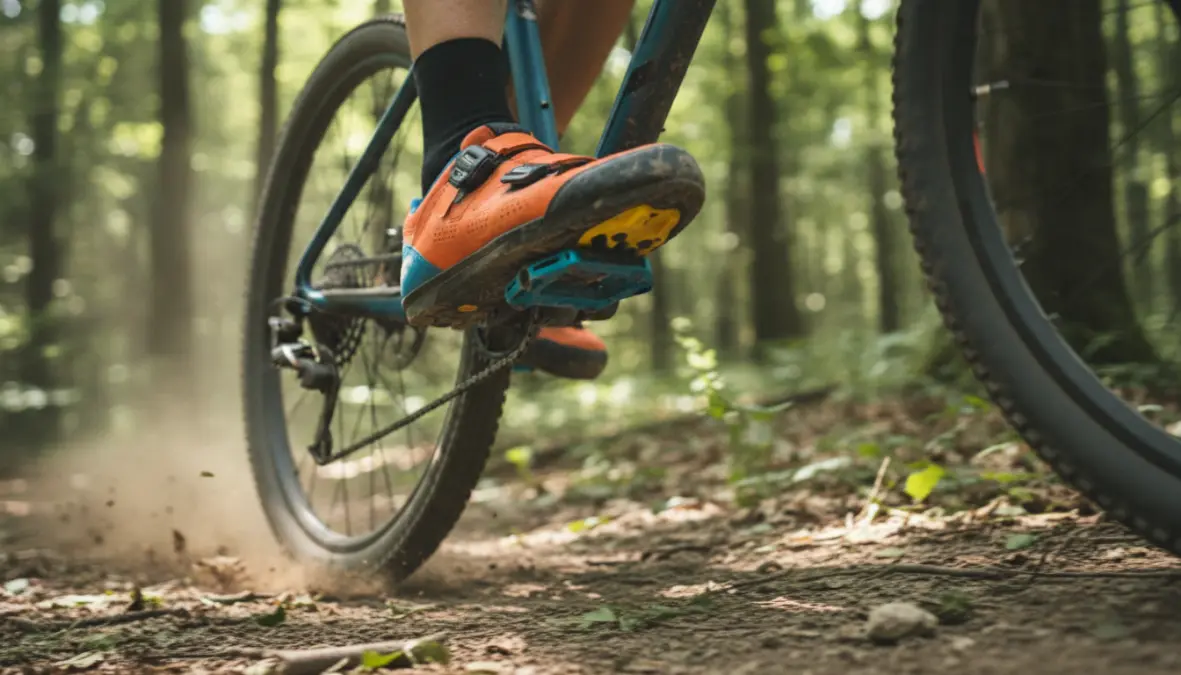
The clipless vs flat pedals debate has raged for years, and the truth is both systems have legitimate advantages depending on context. Let’s break down the bike pedal comparison across key performance metrics.
Power transfer efficiency: Clipless pedals were long believed to provide superior efficiency by allowing you to “pull up” on the backstroke. Recent studies suggest the efficiency gains are marginal (1-2%) for most riders, with the real advantage being consistent foot positioning and no wasted motion from feet bouncing off pedals. For road cycling where you maintain steady cadence, clipless shines. For trail riding with constant acceleration and repositioning, the difference narrows considerably. This connects directly to your cadence training, where efficient pedaling technique matters more than pedal type.
Bike control: Flat pedals vs clipless for mountain biking presents an interesting split. Clipless provides security on rough terrain and during climbs, preventing feet from bouncing off. Flats allow instant foot repositioning, dabbing on technical sections, and quick bailouts when things go sideways—literally. Many elite downhill racers use flats exclusively, while XC racers prefer clipless.
Safety and learning curve: Clipless pedals require practice to master the release motion. Nearly every clipless rider has experienced a slow-speed fall from forgetting to unclip—it’s practically a rite of passage. Flat pedals are intuitive from day one, though proper technique (dropping heels, weighting pedals correctly) still requires practice.
Versatility: Walk into a coffee shop with road clipless shoes and you’ll sound like a tap dancer. Mountain bike clipless cleats are recessed for easier walking but still require dedicated shoes. Flats work with any footwear, making them ideal for commuting, bikepacking, or rides where you’ll be off the bike frequently.
Which Pedal Type for Beginners?
When considering which cycling pedals are best for beginners, the answer depends on your riding intentions. For someone starting road cycling with goals of longer distances and group rides, beginning with flat pedals or basic platforms makes sense for 4-6 weeks while you develop bike handling confidence. Then transitioning to clipless becomes much safer when you can already balance, corner, and control the bike instinctively.
For pedal types for beginners in mountain biking, starting with quality flat pedals is nearly universal advice. You’ll develop better technique by learning to keep feet positioned through body weight and bike movement rather than mechanical attachment. When you eventually try clipless (if you choose to), you’ll bring those fundamental skills with you.
Budget considerations matter too. Quality flat pedals cost $30-150, and you’re done. Clipless requires pedals ($50-300) plus shoes ($80-400), making the total investment significant. For beginners uncertain about long-term commitment, starting with flats makes financial sense.
Choosing the Right Pedal System for Your Riding Style
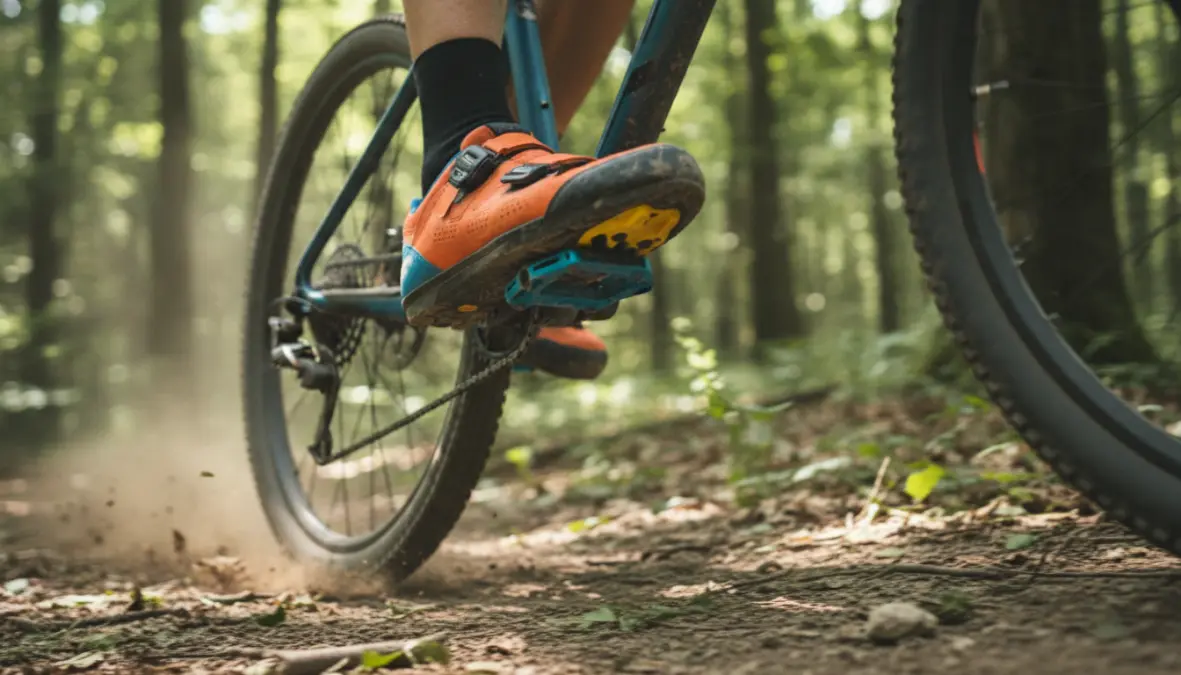
Understanding how to choose the right bike pedals means matching the system to your specific cycling discipline and goals. The best pedal type for road cycling remains clipless for most riders pursuing performance, efficiency on long rides, or participating in group rides where consistent pace matters. The attachment security lets you maintain smooth, circular pedaling motion at higher cadences, and the aerodynamic advantage of dedicated cycling shoes adds measurable gains at racing speeds—something that ties directly to aerodynamics optimization.
For mountain biking, the choice splits by discipline. Cross-country and marathon riders typically choose clipless for climbing efficiency and pedaling consistency. Trail riders split about 50/50. Enduro and downhill riders increasingly favor flats for bike control and quick foot adjustments on technical descents. The trend among professional mountain bikers shows growing flat pedal adoption even at the highest levels.
Gravel and bikepacking cyclists often choose mountain bike-style clipless (SPD) for the walkability factor, or increasingly opt for flats when their routes include hike-a-bike sections or exploring on foot. For anyone planning multi-day cycling adventures, the versatility of flats or walkable clipless systems becomes crucial.
Commuters benefit most from platform pedals unless their entire ride is on-bike—the convenience of regular shoes can’t be overstated for running errands or heading into the office. Many serious cyclists maintain different pedal systems on different bikes: clipless on the road bike, flats on the trail bike, platforms on the commuter.
FAQ: Common Questions About Cycling Pedal Types
Are clipless pedals worth it?
For dedicated road cyclists and XC mountain bikers, yes—the consistent foot positioning and secure connection justify the learning curve and cost. For casual riders, commuters, or technical trail riders, flat pedals often provide better overall value and versatility.
Can you use clipless pedals with regular shoes?
Technically yes, but it’s extremely inefficient and potentially dangerous. The pedal bodies are small and slippery without cleats engaged. If you need versatility, consider dual-sided pedals (flat on one side, clipless on the other) or stick with platforms.
Do pro cyclists use flat pedals?
Road professionals universally use clipless. Mountain bike pros increasingly use flats for downhill and enduro, while XC racers stick with clipless. The shift toward flats in gravity disciplines reflects evolving understanding of bike control.
How long does it take to get used to clipless?
Most riders feel comfortable with the basic clip-in and clip-out motion within 2-3 rides. True confidence in all situations—stops, starts, technical terrain—typically takes 2-3 weeks of regular riding. Practice clipping in and out while stationary before hitting the road.
What’s the best pedal type for mountain biking?
It depends on terrain and riding style. XC and climbing-focused riding favors clipless. Technical trails, jumps, and downhill riding favor flats. Many riders own both and swap based on the day’s ride.
Are platform pedals good for long rides?
Absolutely, especially modern designs with large platforms and proper pins. The key is wearing shoes with stiff soles to prevent foot fatigue. Many bikepackers and ultra-endurance gravel riders choose quality flats for multi-hour efforts, as the ability to adjust foot position actually reduces hotspots compared to being locked in one position.
The beauty of modern cycling pedal types is there’s no single “correct” answer—your best choice depends on your riding style, goals, and preferences. Many experienced cyclists eventually own multiple pedal systems, choosing the right tool for each ride. Whether you commit to clipless for its efficiency, embrace flats for their versatility, or even switch between systems seasonally, understanding the clipless pedals vs platform pedals pros and cons ensures you’re making an informed decision that enhances rather than hinders your time on the bike. Start with the system that matches your current needs, and don’t hesitate to experiment as your cycling evolves.