How to Ride Safely at Night: Essential Visibility and Night Cycling Tips
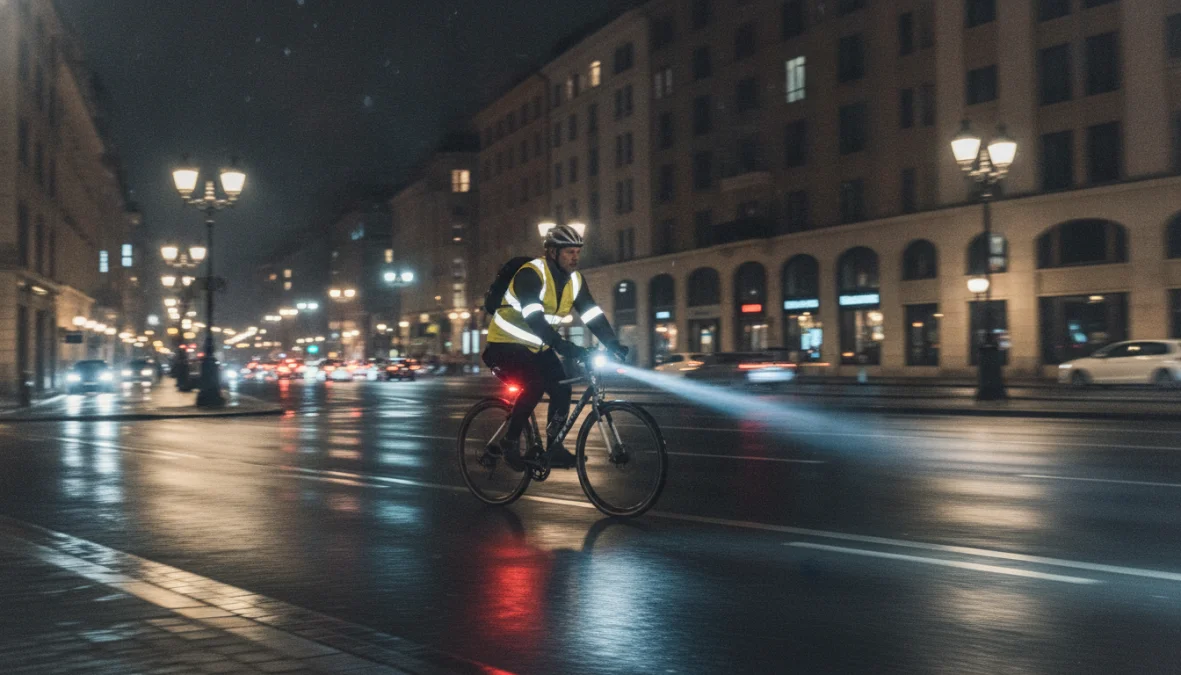
There’s something magical about cycling through quiet streets under the stars, feeling the cool night air against your face. But let’s be real—cycling at night safely requires more than just courage and a sense of adventure. When darkness falls, the rules of the road change dramatically, and visibility becomes your best friend and ultimate lifeline. Whether you’re commuting home after a late shift or enjoying an evening ride, understanding how to be seen and stay safe can make the difference between a great experience and a dangerous situation.
Why Night Cycling Visibility Matters: Understanding the Risks
Here’s a sobering fact: night cycling visibility issues contribute to a disproportionate number of cycling accidents. Studies show that while only about 20% of cycling happens after dark, nearly 40% of fatal cycling accidents occur during nighttime hours. The reason? Human vision operates completely differently when the sun goes down.
In low-light conditions, your visual acuity drops by approximately 90% compared to daylight. But here’s the kicker—it’s not just about what you can see. The real danger lies in whether drivers can spot you in time to react. At 50 mph, a car travels about 73 feet per second. If a driver can’t see you until they’re within 100 feet, they have less than 1.5 seconds to react. That’s barely enough time to even hit the brakes.
Your eyes rely on rod cells in dim light, which are excellent at detecting movement but terrible at judging speed and distance. This means drivers may see something moving but fail to accurately gauge how fast you’re approaching or how far away you are. The solution? Make yourself impossible to miss. When it comes to bike visibility at night, being seen is infinitely more important than seeing where you’re going. A driver who spots you from 500 feet away has ample time to adjust their trajectory and keep everyone safe.
Essential Night Riding Equipment for Maximum Visibility
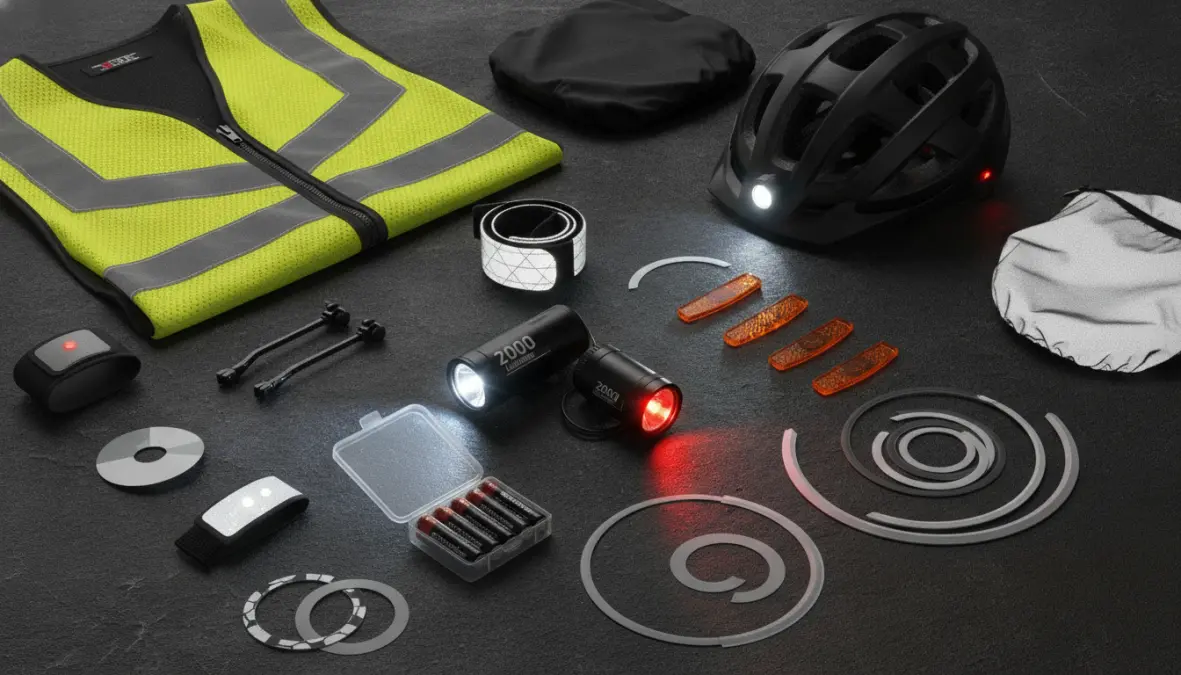
Investing in proper night riding equipment isn’t optional—it’s the foundation of safe after-dark cycling. Let’s break down exactly what you need and why each piece matters.
Bike Lights: Front, Rear, and Positioning
When it comes to bike lights for night riding, lumens are your currency. For urban environments with street lighting, aim for a minimum of 200 lumens on your front light. This provides enough illumination to see road hazards and makes you visible to oncoming traffic. If you’re venturing into poorly lit areas or rural roads, bump that up to 800+ lumens to properly light your path.
Your front and rear lights serve different purposes. The front light illuminates your route and signals your presence to drivers ahead, while the rear light ensures vehicles approaching from behind can spot you. Most cycling safety experts recommend using a steady mode on your front light (so you can see clearly) and a flashing mode on your rear light (which catches drivers’ attention more effectively).
Positioning matters enormously. Mount your front light to your handlebars, angled slightly downward to avoid blinding oncoming traffic. Your rear light should sit at seat post height for maximum visibility. Pro tip: always carry backup lights or extra batteries. LED bike lights are energy-efficient, but they will eventually run out of juice at the worst possible moment if you’re not prepared.
Many regions have legal requirements for cycling lights. In most places, you’re legally required to have a white front light and red rear light when riding after dark. Check your local regulations, but honestly, you should exceed the minimum requirements for your own safety. Additional lights on your helmet, ankles, or wheels create multiple points of reference that help drivers judge your speed and distance more accurately.
Reflective Gear and High-Visibility Clothing
Lights are fantastic, but reflective gear cycling accessories create 360-degree visibility that lights alone can’t match. Understanding what to wear when cycling at night starts with knowing the difference between reflective and high-visibility materials.
Reflective clothing contains materials that bounce light back toward its source—like a car’s headlights. High visibility gear in fluorescent yellow or orange stands out in any lighting condition, though it’s less effective in total darkness without an external light source. The winning combination? Layer both.
A reflective vest is the bare minimum, but strategic placement creates the most impact. Bike reflectors on your wheels create moving circles of light that drivers can spot from the side. Reflective bands on your ankles and wrists are particularly effective because they highlight your pedaling motion, which immediately identifies you as a cyclist rather than a stationary object.
Don’t forget fluorescent accessories like spoke reflectors, frame tape, and even reflective shoe covers. Your backpack can become a visibility asset with a reflective rain cover or dedicated reflective straps. Modern helmet lights add another high-mounted point of visibility and move with your head when you check for traffic, creating additional attention-grabbing movement.
Cycling Safety Tips for Night Riding in Different Environments
The cycling safety tips night riders need vary dramatically depending on where you’re riding. A well-lit city street presents completely different challenges than a dark country lane.
Urban Night Cycling Strategies
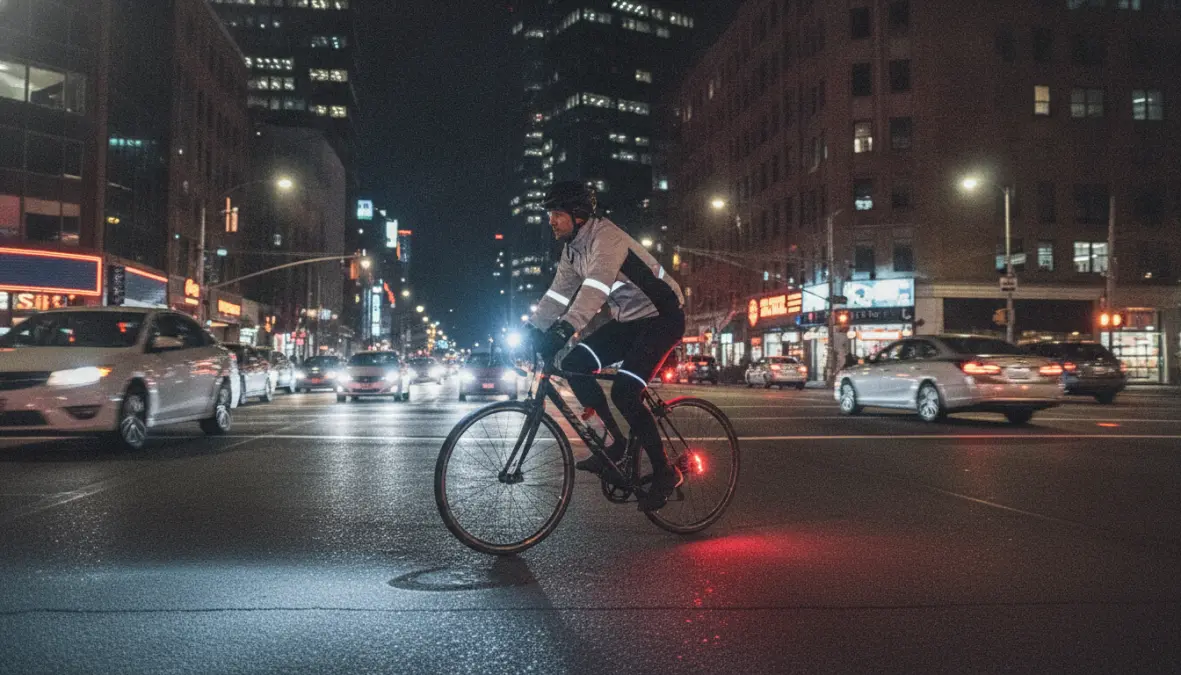
For urban night cycling, route selection is your first line of defense. Choose well-lit streets with dedicated bike lanes whenever possible. These routes not only help you see better but also increase driver awareness since they expect cyclists in these locations.
Your road position matters more at night. Ride further from parked cars than you might during the day—drivers opening doors won’t see you coming, and your reduced visibility means you’ll have less time to react. At intersections and roundabouts, position yourself assertively in the lane. This might feel uncomfortable, but being predictable and visible beats being polite and invisible.
Make eye contact with drivers at intersections when possible. If you can see their face in their headlights, they can probably see you. Slow down at every intersection, even when you have right of way. Remember that road awareness cuts both ways—you need to assume drivers haven’t seen you until their behavior proves otherwise.
Watch for the specific hazards of city riding: pedestrians dressed in dark clothing stepping into bike lanes, rideshare drivers making sudden stops, and delivery vehicles parked in cycling infrastructure. Similar to the strategies discussed in our guide on cycling group ride etiquette, predictable behavior and clear communication become even more critical when visibility is reduced.
Extra-Urban and Trail Night Riding
Riding outside urban areas demands an entirely different approach. Your lighting setup needs to be substantially more powerful—think 800 lumens minimum, with 1200+ being ideal for technical trails or truly dark roads. You’re not just trying to be seen; you need to actually illuminate unlit terrain to avoid hazards.
Never ride unfamiliar routes in the dark. That gravel section or pothole that’s merely annoying in daylight becomes genuinely dangerous when you can’t see it coming. If you’re planning tips for commuting by bike at night on rural routes, scout them in daylight first so you know what to expect.
Group riding at night requires excellent communication. Verbal callouts of hazards become essential when visual cues are limited. Riding solo? Tell someone your route and expected arrival time. Carry a fully charged phone, basic repair kit, and emergency supplies. Wildlife becomes more active at dusk and night, so reduce your speed and stay alert for animals crossing your path.
Much like the preparation needed for long-distance riding covered in our century ride training guide, night riding in rural areas demands thorough planning and the right gear to handle unexpected situations.
FAQ: Common Questions About Night Cycling Safety
Is it legal to cycle at night without lights?
In virtually all jurisdictions, no. Most areas require at minimum a white front light and red rear light when cycling after dark. Many also mandate reflectors. Beyond legality, riding without lights is simply dangerous and dramatically increases your accident risk.
What’s the minimum lumen requirement for night cycling?
For urban riding with street lights, 200 lumens front and 50 lumens rear are adequate. For rural or unlit areas, upgrade to 800+ lumens front and 100+ lumens rear. Higher is better when it comes to seeing and being seen.
Should I use flashing or steady lights?
Best practice: steady front light (so you can see clearly) and flashing rear light (which catches driver attention more effectively). Some cyclists use both flashing and steady rear lights for maximum visibility. Check local regulations as some areas restrict flashing lights.
How can I improve my own visibility while cycling at night?
Layer multiple visibility strategies: quality lights, reflective clothing, high-vis colors, and reflective accessories on moving parts (ankles, wrists). The goal is 360-degree visibility from all angles. Movement-indicating reflectives are particularly effective.
Do I need different equipment for urban vs rural night cycling?
Absolutely. Urban riding requires less powerful lights but more comprehensive reflective gear due to complex traffic. Rural riding demands powerful illumination (800+ lumens), backup lights, and emergency supplies since help may be far away.
Ride Smart, Ride Visible, Ride Safe
Night cycling opens up new possibilities for your riding schedule and offers unique experiences you’ll never get during daylight hours. But this freedom comes with responsibility. By investing in proper equipment, understanding how visibility works in darkness, and adapting your riding strategy to nighttime conditions, you transform night riding from risky to remarkable. Remember: the best night cycling safety gear checklist is the one you actually use consistently. Start with quality lights and reflective gear, learn your routes in daylight first, and always prioritize being seen over going fast. The roads are yours to enjoy 24/7—just make sure everyone else knows you’re there.