Rucking Workouts: The Complete Guide to Weighted Walking for Strength and Endurance
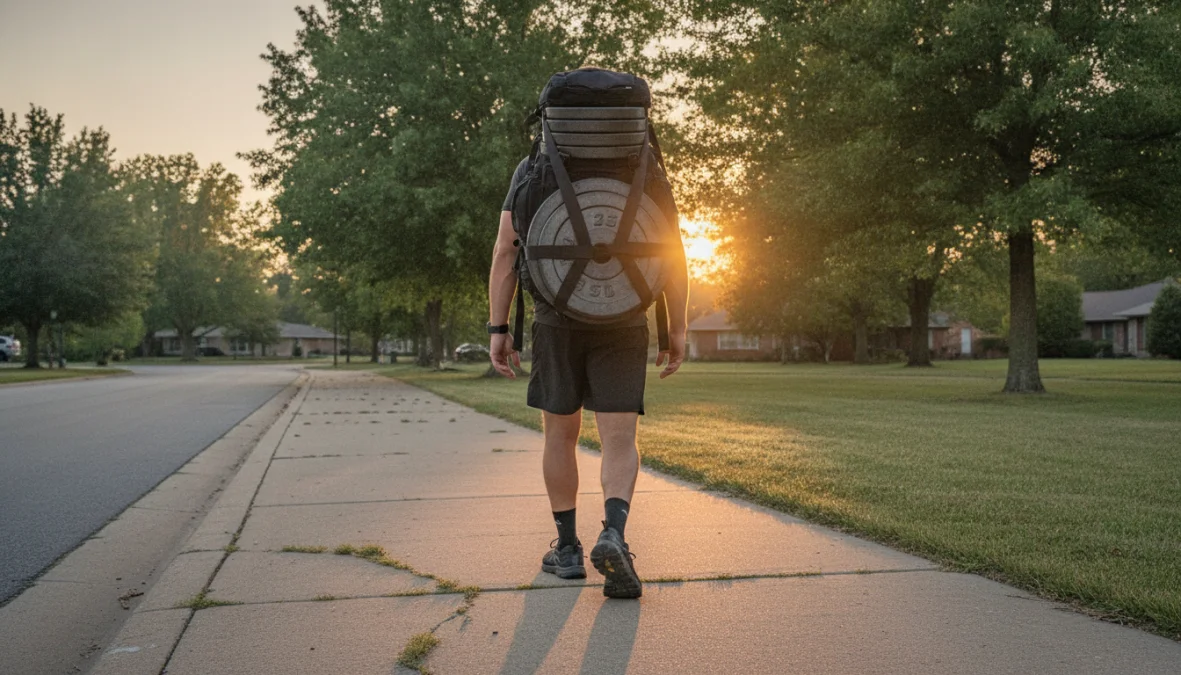
Tired of pounding the pavement and nursing sore knees? Want a workout that builds serious strength without the gym membership? Enter the rucking workout—a deceptively simple form of weighted walking that’s transforming how people approach fitness. Originally a cornerstone of military training, rucking has crossed into the civilian fitness world, and for good reason. It combines cardiovascular endurance with strength conditioning, all while being kinder to your joints than running. Whether you’re a fitness newbie or a seasoned athlete looking for a fresh challenge, rucking might just be your new favorite workout.
What Is Rucking and Why It’s the Ultimate Low-Impact Workout
At its core, a rucking workout is exactly what it sounds like: walking with added weight in a backpack. The term comes from military military rucking, where soldiers carry rucksacks (hence “ruck”) loaded with gear over long distances as part of their tactical fitness training. But you don’t need to enlist to reap the benefits—civilian ruckers simply load a backpack with weight plates, sandbags, or even books and hit the road.
What separates this backpack workout from regular walking is the resistance component. By adding weight to your back, you transform a simple stroll into a full-body strength and endurance challenge. Unlike hiking, which relies on terrain for difficulty, rucking can be done anywhere—around your neighborhood, on a track, or through urban streets. The consistent load forces your muscles to work harder with every step, turning ordinary weighted walking into an efficient training tool.
The beauty of rucking lies in its accessibility. You need minimal equipment, no gym membership, and you can adjust the intensity by simply changing the weight or distance. This makes it an excellent form of functional fitness that mimics real-world movements—after all, humans have been carrying loads on their backs since the dawn of time.
How Rucking Differs from Traditional Cardio
Unlike running, which hammers your joints with repetitive high-impact stress, rucking offers low impact cardio that’s gentler on knees and ankles. The weighted load naturally shortens your stride and keeps your feet closer to the ground, reducing the pounding effect. Compared to cycling or swimming, rucking provides better bone density benefits because it’s a weight-bearing exercise. And while regular walking burns calories, adding weight can increase calorie expenditure by 30-50% without increasing speed. This weighted cardio approach delivers superior results in less time, making it ideal for busy schedules. If you’re interested in how different training styles compare, check out this guide on functional training vs traditional gym workouts.
Science-Backed Rucking Benefits for Your Body and Mind
The rucking benefits extend far beyond simply burning calories—though it excels at that too. Research shows that carrying additional weight during walking can burn 2-3 times more calories than regular walking at the same pace. But the advantages go much deeper:
- Enhanced Calorie Burn: A 180-pound person can burn approximately 400-600 calories per hour rucking with 20-30 pounds, compared to 240-300 calories from regular walking.
- Full-Body Strength Building: Unlike isolated gym exercises, ruck training engages your legs, core, back, and shoulders simultaneously through loaded carries.
- Improved Posture: The weight forces you to engage your core and maintain proper spinal alignment, strengthening postural muscles.
- Cardiovascular Endurance: Your heart and lungs work harder to supply oxygen to working muscles, improving VO2 max over time. Learn more about VO2 max and endurance metrics.
- Mental Toughness: The sustained discomfort builds psychological resilience—a key component of tactical fitness.
- Bone Density: Weight-bearing exercise stimulates bone growth, reducing osteoporosis risk.
- Low Injury Risk: The controlled, rhythmic movement pattern minimizes injury compared to high-impact activities.
For those wondering is rucking good for building muscle, the answer is yes—particularly in the posterior chain (glutes, hamstrings, lower back) and stabilizer muscles. While it won’t replace heavy squats for pure hypertrophy, it provides excellent strength conditioning in a functional context.
Strength and Endurance Gains from Weighted Walking
What makes rucking uniquely effective is its simultaneous challenge to both energy systems. Unlike traditional cardio that’s purely aerobic, or lifting that’s purely anaerobic, weighted walking sits in a sweet spot. Your cardiovascular system works overtime to fuel your muscles, while those same muscles perform continuous resistance work against the load. This combination makes rucking an excellent example of concurrent training—developing strength and endurance simultaneously.
The muscle engagement is comprehensive: your quadriceps and glutes power each step, your core stabilizes the load with every movement, your upper back and shoulders support the pack, and your calves provide propulsion. This full-body recruitment makes it particularly valuable for core stability development that translates to other sports and activities.

How to Start Rucking: Essential Tips for Beginners
Ready to start your first rucking workout? Here’s your practical guide for rucking for beginners:
Choose the Right Pack: Any sturdy backpack works initially, but look for one with padded shoulder straps and a hip belt for proper weight distribution. Dedicated rucking packs offer better load stability, but don’t overthink it at first.
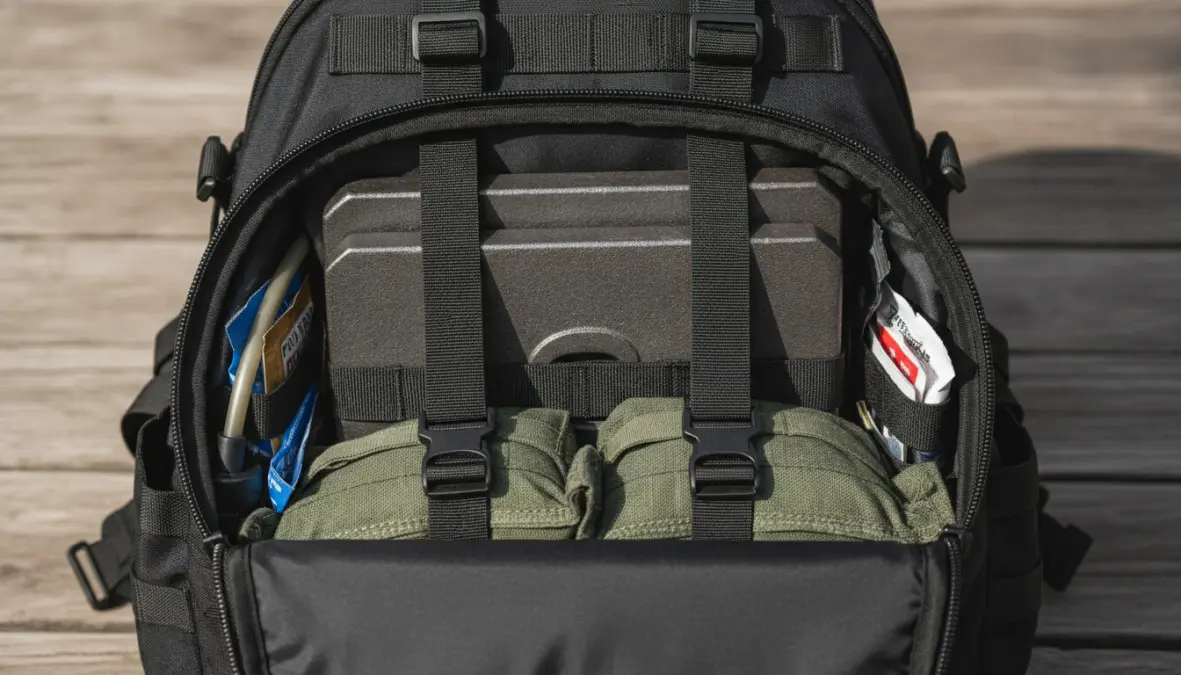
Start with Appropriate Weight: The golden rule for how much weight to use when rucking is 10-20% of your body weight. A 150-pound person should start with 15-20 pounds. Use weight plates, sandbags, or wrapped dumbbells positioned high in the pack (near your shoulder blades) for optimal balance.
Begin Conservatively: For your first rucking workout plan for beginners, start with just 15-20 minutes at a comfortable pace on flat terrain. Focus on form over distance. Gradually increase duration by 5-10 minutes weekly before adding more weight.
Master Proper Form: Keep your shoulders back, chest up, and core engaged. Avoid leaning forward excessively—the weight should feel balanced over your center of gravity. Take shorter, controlled steps rather than your normal walking stride.
Pick Smart Terrain: Start on flat sidewalks or tracks. As you progress, introduce hills for increased intensity. Avoid highly technical trails initially while you’re adapting to the load.
Common Mistakes to Avoid: Don’t add too much weight too quickly (recipe for back strain), don’t skip the warm-up, and don’t ignore hot spots on your feet or shoulders. Addressing discomfort early prevents injuries. Consider rucking as an excellent active recovery workout between intense training sessions when using lighter loads.
Recovery Matters: Like any training stimulus, your body needs time to adapt. Start with 2-3 sessions per week with rest days between. Pay attention to signs of overtraining and support your efforts with proper recovery nutrition.
Frequently Asked Questions About Rucking Workouts
How much weight should I use for rucking?
Beginners should start with 10-15% of body weight (15-25 pounds for most people). Intermediate ruckers can handle 20-30% body weight, while advanced practitioners sometimes carry 40+ pounds. Always prioritize form over load—if your posture breaks down, reduce the weight.
Is rucking better than running?
It depends on your goals. For weighted walking vs running benefits, rucking offers lower joint impact, better strength development, and similar cardiovascular benefits at moderate intensity. Running burns more calories per minute but carries higher injury risk. Many athletes use both for balanced training.
How often should I do rucking workouts?
Most people benefit from 2-4 sessions weekly. Allow at least one rest day between heavy rucks. You can vary intensity—long, slow distance one day, shorter weighted intervals another. Listen to your body and scale back if you experience persistent soreness or joint pain.
What type of backpack is best for rucking?
Purpose-built rucking packs offer optimal weight distribution and durability, but any quality hiking backpack with padded straps and a hip belt works. Key features include a hydration bladder pocket, internal weight plate sleeves, and reflective strips for visibility. Avoid flimsy school backpacks that won’t handle the load.
Can rucking help with weight loss?
Absolutely. For those interested in a rucking workout for fat loss, the high calorie burn combined with muscle engagement creates an excellent environment for body composition changes. A consistent rucking program with proper nutrition can burn thousands of extra calories weekly while preserving muscle mass—ideal for sustainable fat loss.
The beauty of rucking lies in its simplicity and scalability. Whether you’re looking for a joint-friendly alternative to running, a time-efficient way to build functional strength, or just a reason to get outside and move, this backpack workout delivers. Strap on some weight, step outside, and discover why this ancient form of training is making such a powerful comeback. Your future stronger, more resilient self will thank you.