Criterium Racing: Essential Tactics and Training for Short Circuit Success
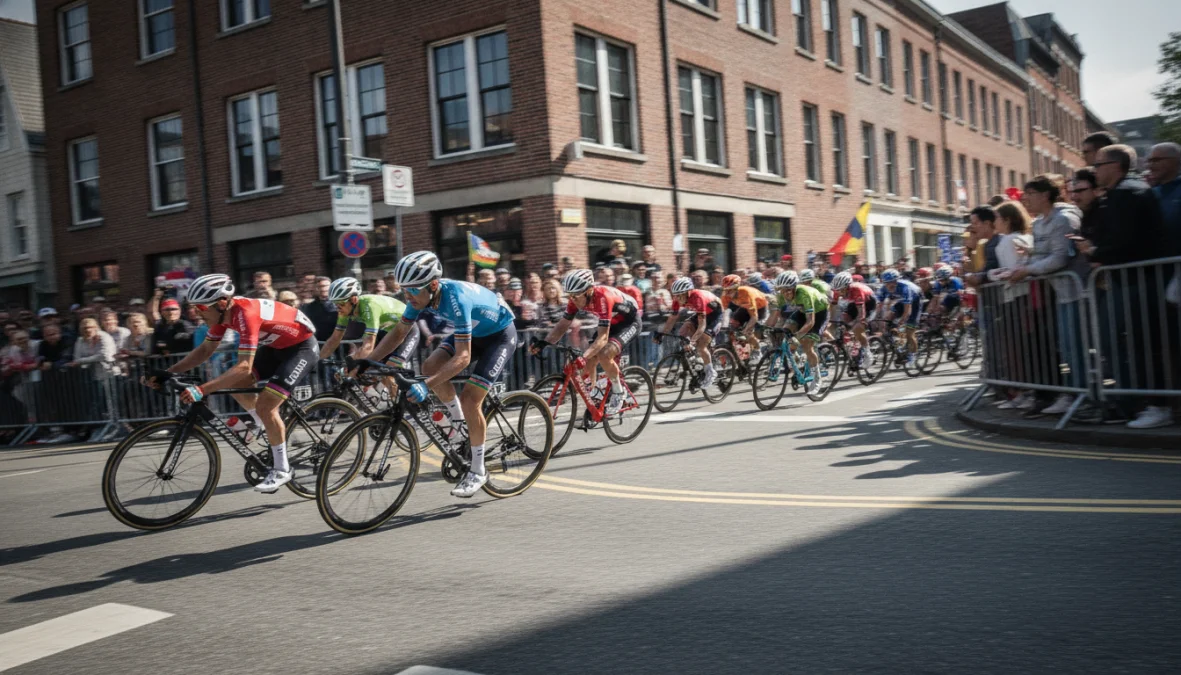
If you’ve ever watched a criterium race, you know the rush—riders screaming through tight corners, shoulder-to-shoulder at 40+ km/h, sprinting every few minutes, and attacking relentlessly. Criterium racing is cycling’s most explosive and tactical discipline, where bike handling skills, razor-sharp strategy, and anaerobic capacity matter more than pure endurance. Whether you’re curious about how to train for criterium racing or looking for proven crit racing tips to upgrade your results, mastering the unique demands of these short, intense races will transform your cycling game.
What Makes Criterium Racing Unique
Criterium racing—often called crit racing—takes place on closed-loop courses typically ranging from 0.8 to 2 kilometers, featuring multiple tight corners and lasting anywhere from 30 to 90 minutes. Unlike traditional road racing where endurance reigns supreme, short circuit racing demands constant accelerations out of corners, explosive power bursts, and the ability to navigate technical circuits at race pace while surrounded by dozens of riders.
What makes crits so popular? They’re spectator-friendly. Fans can watch riders pass multiple times per lap, see the entire race unfold, and witness dramatic finishes. For racers, crits offer frequent opportunities to compete—many cities host weekly series throughout the racing season. The physical profile that excels here differs from long-distance specialists: successful crit racers possess exceptional bike handling skills, powerful anaerobic capacity for repeated accelerations, and the mental sharpness to make split-second tactical decisions in chaotic peloton dynamics.
The typical crit racer needs less about grinding out watts for hours and more about delivering explosive efforts repeatedly while maintaining technical precision through corners. If you’re a sprinter with good handling or a punchy rider who recovers quickly, criteriums might be your ideal discipline.
Essential Criterium Tactics and Race Strategy
Success in criterium racing isn’t just about fitness—it’s about race intelligence. The most critical criterium tactics revolve around positioning. Staying in the front 15-20 positions of the peloton is essential. Why? Every corner creates an accordion effect: riders at the front maintain momentum while those at the back must brake harder and sprint harder to reconnect, burning matches unnecessarily.
Smart criterium race strategy means conserving energy in the opening laps while establishing good position. Don’t chase every early attack unless it’s genuinely dangerous. Read the race: identify strong teams controlling the pace, watch for dangerous riders who might slip away, and anticipate when the winning move will form—usually in the final 15-20 minutes.
Energy management separates winners from survivors. Sit in the draft whenever possible, especially on straightaways and headwind sections. Move up on the outside before corners rather than fighting through the middle of the pack. When attacks go, decide quickly: is this the winning move, or will it come back? Elite racers develop an intuition for peloton dynamics—sensing when the field is tired and a break might stick versus when the pack will chase everything down for a field sprint.
For the sprint finish, position yourself in the top 10 with two laps to go. Choose your lead-out wheel carefully—ideally a fast teammate or a strong sprinter you can follow. Start your sprint at the last corner, using momentum from the turn to launch. Common mistakes include starting too early (getting swamped), positioning poorly (boxed in or too far back), and hesitating when gaps open. Developing a consistent approach to building endurance and power through structured training like spring cycling training programs provides the foundation for executing these tactics effectively.
Mastering Criterium Cornering Technique
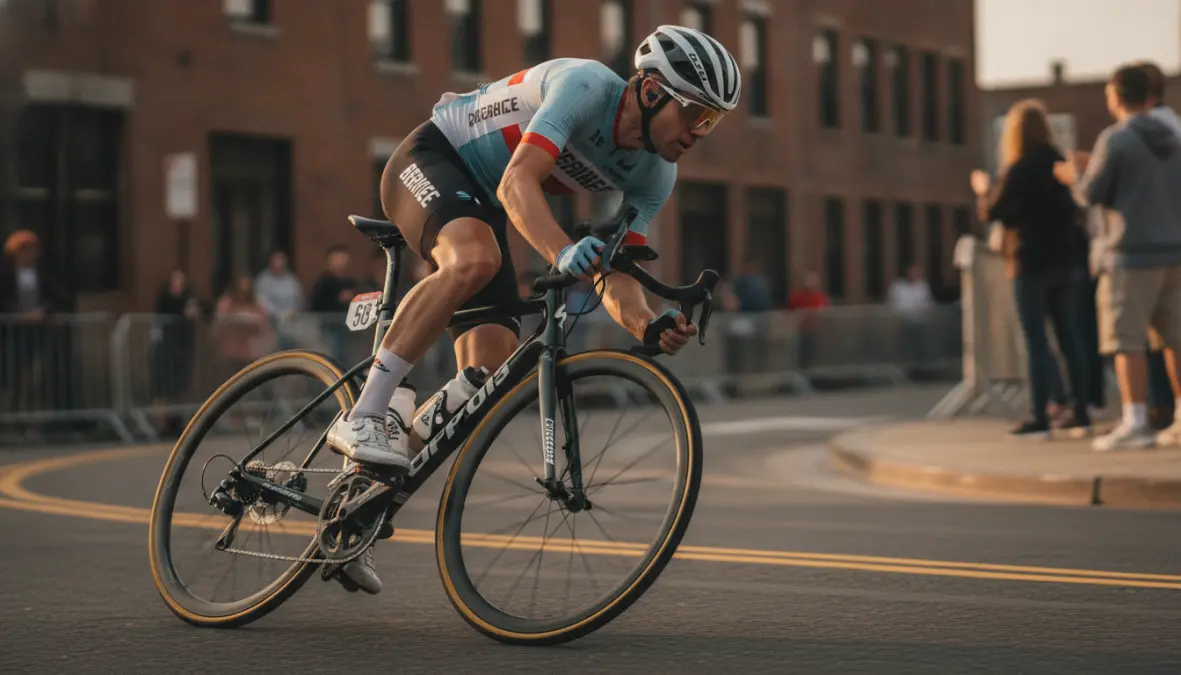
Criterium cornering is the skill that most dramatically separates experienced crit racers from beginners. Proper technique involves braking before the corner—never mid-turn unless absolutely necessary. Enter wide, hit the apex (the innermost point of the turn), and exit wide to maintain maximum speed. Your body position matters enormously: keep your inside pedal up, weight the outside pedal, and lean the bike more than your body through the turn.
Practice the same corners repeatedly to find the fastest line. Each corner has a unique character—some allow full-gas entries, others require significant braking. The goal isn’t just getting through safely but carrying maximum speed to minimize the acceleration needed afterward. Watch experienced racers: they flow through corners smoothly while novices brake excessively and fight the bike. Invest time in parking lot drills, practicing tight turns at speed until the movements become instinctive. This technical mastery, combined with optimal cadence training, allows you to accelerate efficiently out of every corner.
Criterium Training: Building Speed and Power for Short Circuits
Effective criterium training looks dramatically different from base endurance work. While you still need aerobic fitness as a foundation, specific preparation centers on high-intensity intervals, explosive power, and technical skills. The energy systems in criteriums operate primarily in zones 4-6, with constant surges above threshold followed by brief recovery periods while drafting.
Structure your criterium race training plan around race pace intervals: 4-8 minute efforts at threshold or slightly above, mimicking the sustained hard efforts between attacks. Include sprint intervals—short 15-30 second all-out efforts with incomplete recovery—to build the repeatability needed for accelerating out of every corner and covering attacks. Over-under intervals (alternating between threshold and above-threshold efforts) perfectly simulate crit demands.
A sample weekly structure might include: Tuesday—short, intense intervals (8×3 minutes at VO2max with 2-minute recovery); Thursday—sprint practice (10×20 seconds all-out with 2-minute easy spinning); Saturday—longer threshold work or a practice crit; Sunday—endurance ride to maintain aerobic base. Include one or two recovery days with easy spinning. Don’t neglect strength training for cyclists during base periods—leg strength translates directly to explosive acceleration power.
Beyond physiological training, practice technical skills separately. Spend sessions working exclusively on cornering, accelerations, and bike handling. Join fast group rides where you’ll experience real peloton dynamics, learn to hold your line in a pack, and develop the confidence to ride inches from other wheels. The mental aspect matters too—criteriums demand constant tactical decisions under fatigue. Developing mental toughness and focus helps you stay sharp when the race gets chaotic.
Taper appropriately before important races: reduce training volume by 30-40% in the three days before, while maintaining some intensity to keep the edge. Monitor your training load using power meters or heart rate data, and be mindful of overtraining symptoms—criterium-specific training is demanding and requires adequate recovery.

FAQ: Common Criterium Racing Questions
What equipment do I need for criterium racing?
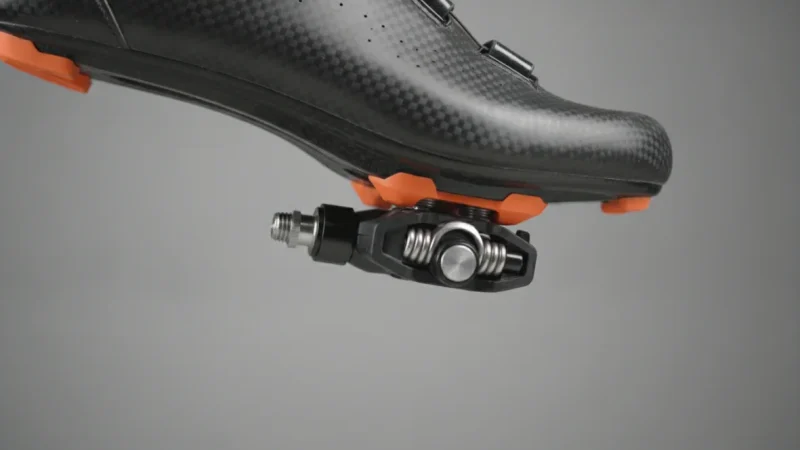
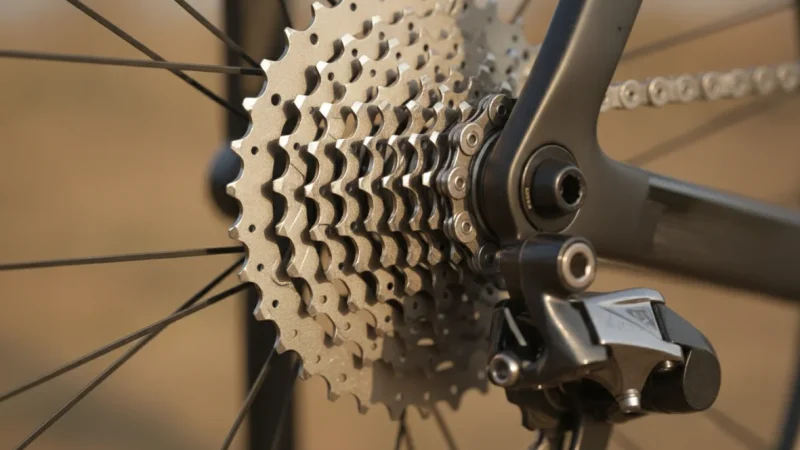
A reliable road bike with responsive handling is essential—you don’t need the lightest frame, but stiff, predictable handling matters more in crits than weight. Many racers prefer aluminum training wheels over expensive carbon for practice crits to avoid costly damage in crashes. Choose gearing appropriate for flat, fast courses—typically a compact or standard crankset with an 11-25 or 11-28 cassette. Clipless pedals are standard for maximizing power transfer through accelerations.
How do I prepare on race day?
Arrive early to pre-ride the course, identifying tricky corners, pavement irregularities, and potential hazards. A proper warm-up is critical: 20-30 minutes of progressive effort finishing with 2-3 short sprints to activate your anaerobic system. Nutrition matters—eat a carbohydrate-rich meal 2-3 hours before, and consume a gel or drink 15 minutes pre-race. Stay hydrated but don’t overdrink.
What’s the best way to start criterium racing as a beginner?
Begin with category 5 or 4 races where the pace is more manageable and riders are learning together. Focus initially on finishing safely and learning pack positioning rather than winning. Watch experienced racers to understand tactics and criterium cycling techniques. Practice skills extensively before racing—parking lot drills, group rides, and cornering practice build the foundation. Consider that disciplines like triathlon can also develop bike handling and fitness transferable to criteriums.
How dangerous is criterium racing?
Crashes do happen in crits due to tight quarters and high speeds, but you can minimize risk. Strong bike handling skills are your best protection—stay relaxed on the bike, anticipate movements around you, and don’t make sudden changes. Avoid the very front (where attacks create chaos) and the very back (where the accordion effect causes braking surges). Racing with experienced, skilled fields is often safer than beginner races where unpredictable handling creates hazards.
Criterium racing offers some of cycling’s most exciting and accessible competition. Whether you’re drawn to the tactical chess match, the explosive physical demands, or the frequent racing opportunities, developing proper technique and race-smart strategy will accelerate your success. Start with solid skills training, build your anaerobic engine through targeted intervals, and learn race tactics by studying every event. The beauty of crits is that improvement comes quickly—each race teaches lessons that apply immediately to the next. Get out there, practice those corners, and experience the addictive intensity of short circuit racing.