Cycling Knee Warmers: Benefits and When to Wear Them

There’s nothing quite like that crisp morning ride when the air is cool and the roads are quiet. But if you’ve ever rolled out on a chilly day without proper protection, you know that cold knees can quickly turn a great ride into an uncomfortable experience. That’s where cycling knee warmers come in—a simple yet incredibly effective piece of cycling apparel that can make or break your ride when the temperature drops. These versatile accessories have earned their place in every serious cyclist’s wardrobe, and once you understand their benefits, you’ll wonder how you ever rode without them.
What Are Cycling Knee Warmers and Why They Matter
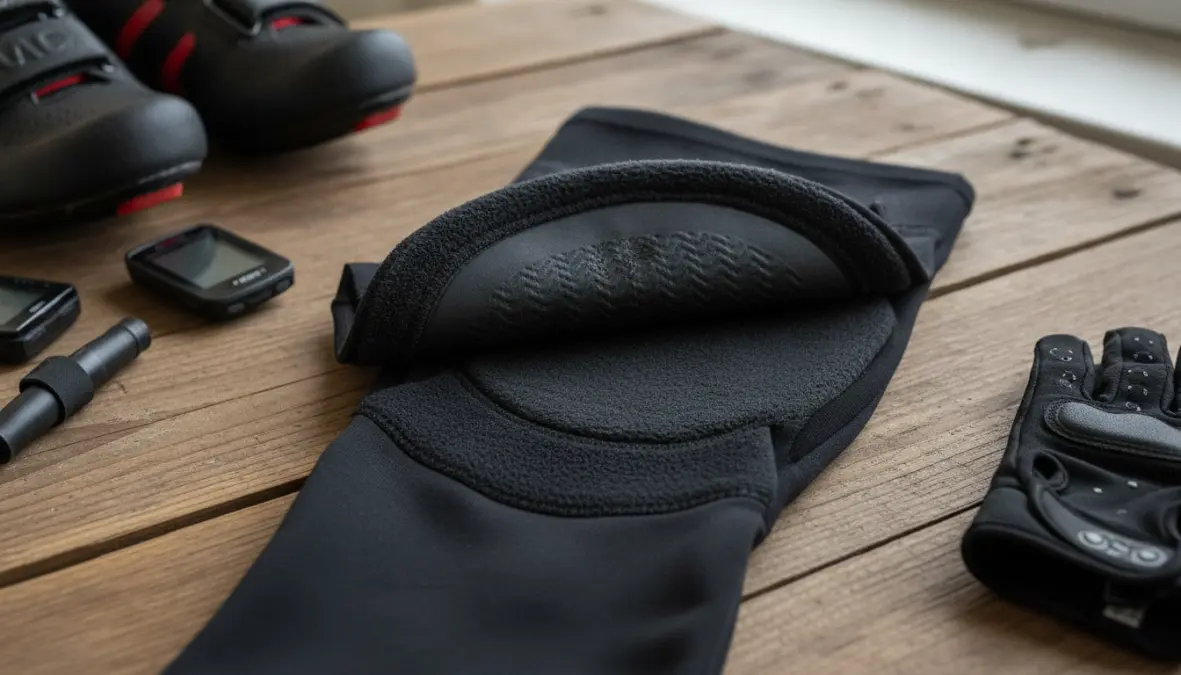
Cycling knee warmers are tubular garments designed to cover your knees and the lower portion of your thighs while riding. Unlike full cycling leg warmers that extend from ankle to upper thigh, knee warmers cycling enthusiasts prefer typically cover from mid-thigh down to just below the knee or mid-calf. These bike knee warmers are usually made from stretchy, insulating materials like lycra, thermal fabrics, or fleece-lined synthetics that provide warmth while maintaining breathability.
The beauty of knee warmers for cyclists lies in their simplicity. You slip them on over your legs before or after putting on your bib shorts, and they stay in place thanks to silicone grippers at the top and sometimes at the bottom. The main difference between knee warmers and full leg warmers comes down to coverage and versatility—knee warmers specifically target the joint area, which is most vulnerable to cold, while being easier to remove and stash in a jersey pocket when temperatures rise mid-ride.
One of the biggest advantages over wearing full tights or pants is portability. Cycling knee warmers fold down to roughly the size of a banana, making them perfect for those unpredictable spring or autumn mornings when you start in the cold but expect warmer conditions later. This packability gives you flexibility that heavy winter gear simply can’t match, and it’s a key reason why experienced cyclists almost always have a pair tucked away in their gear collection.
Key Benefits of Wearing Knee Warmers for Cycling
The primary benefit of thermal knee warmers is joint protection from cold weather. Your knees contain crucial ligaments, tendons, and cartilage that don’t have much natural insulation. When these tissues get cold, they become stiff and more prone to injury. Keeping your knees warm maintains proper blood flow and ensures your joints stay supple and responsive throughout your ride. If you’ve ever experienced knee pain while cycling, you know how important preventive measures can be.
Beyond injury prevention, muscle warmth directly impacts performance. Your quadriceps and surrounding leg muscles work more efficiently at optimal temperatures. Cold muscles contract less effectively and fatigue more quickly, which means wearing knee warmers for cyclists can actually help you maintain power output on cooler days. Professional cyclists understand this principle well—you’ll rarely see them racing in cold conditions without proper leg coverage.
The versatility factor cannot be overstated. Imagine starting a morning ride at 8°C, climbing a mountain pass, and descending into a valley where temperatures reach 18°C. With knee warmers, you simply roll them down or remove them completely and stuff them in your jersey pocket. Try doing that with full tights! This adaptability makes them essential cycling accessories for variable weather conditions cycling presents during transition seasons.
Temperature regulation becomes effortless with knee warmers. Modern thermal knee warmers are designed to wick moisture away from your skin while providing insulation. They also offer protection from wind and light rain—elements that can sap your body heat rapidly. On a breezy descent after a hard climb, that wind protection alone can prevent muscle cramping and discomfort. The fabric acts as a barrier against the elements while still allowing your skin to breathe, preventing the clammy feeling you’d get from non-technical materials.
For daily commuters and recreational riders alike, the convenience of knee warmers means you’re more likely to actually get out and ride on cooler days. When you know you have the right gear to stay comfortable, those borderline weather days become opportunities rather than excuses to skip your ride. This psychological benefit shouldn’t be underestimated—consistency in training matters, and proper cycling apparel helps maintain that consistency year-round.
When to Wear Cycling Knee Warmers: Temperature Guide and Best Practices
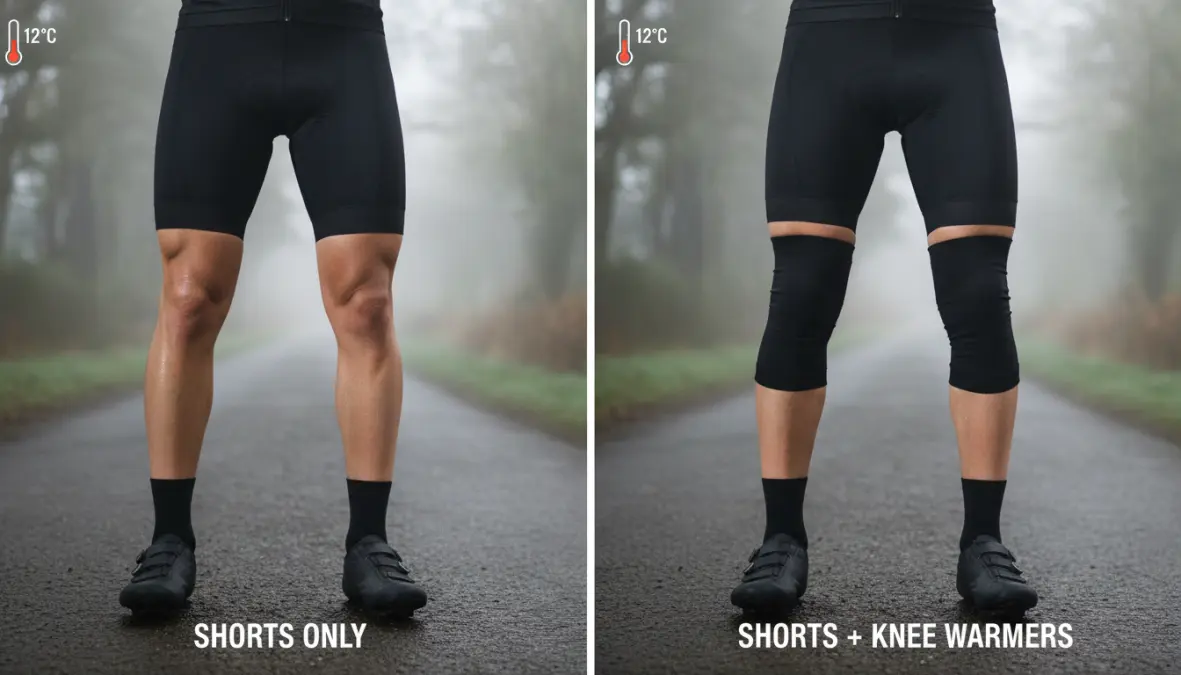
So, what temperature to wear knee warmers? The general sweet spot is between 10°C and 18°C (roughly 50°F to 65°F). Below 10°C, you’ll likely want full cycling leg warmers or thermal tights for complete coverage. Above 18°C, most cyclists are comfortable in just shorts. Of course, individual tolerance varies—some riders run hot and might skip knee warmers until it drops below 15°C, while others prefer them even at 20°C if there’s wind or dampness in the air.
Winter cycling knee warmers typically feature thicker, fleece-lined materials suitable for the lower end of that temperature range. For those crisp spring and autumn mornings that are common when to wear knee warmers cycling season transitions, lighter thermal versions work perfectly. The best cycling knee warmers offer a range of thickness options, allowing you to match your gear to the specific conditions you’ll face.
Understanding cycling layering strategy helps you decide between knee warmers and full leg warmers. The knee warmers vs leg warmers cycling debate often comes down to the ride type and duration. For shorter rides or intense training sessions where you’ll generate significant body heat, knee warmers are usually sufficient. For longer endurance rides, especially when cycling in cold weather that might worsen, full leg warmers provide better insurance against temperature drops.
Timing your removal during a ride takes practice. As a rule of thumb, if you’re feeling slightly warm during the main body of your ride, it’s probably time to shed the knee warmers. Don’t wait until you’re overheating—by then, you may have already accumulated excess moisture that will make you cold on descents. Many cyclists remove them at the first rest stop once the sun is fully up and temperatures have risen. This is particularly relevant when transitioning from indoor to outdoor cycling as outdoor conditions vary throughout a ride.
For racing, the stakes are higher. Race starts are often early and cold, but competitive efforts generate tremendous heat. Many racers wear knee warmers to the start line, remove them during warm-up, and hand them to support staff before the gun goes off. For autumn criteriums or time trials, keeping them on might provide an aerodynamic and thermal advantage. The key is understanding your personal thermoregulation and the specific demands of your event, much like managing your optimal pedaling rate for different conditions.
FAQ: Common Questions About Cycling Knee Warmers
What temperature should I wear knee warmers?
Most cyclists find cycling knee warmers ideal between 10°C and 18°C (50°F-65°F). Individual preference varies based on your cold tolerance, ride intensity, and weather conditions. Wind and humidity make cooler temperatures feel colder, so adjust accordingly. Start wearing them when shorts alone feel slightly chilly.
Can I wear knee warmers over or under bib shorts?
The correct way is to wear knee warmers cycling gear underneath your bib shorts. The shorts’ leg grippers sit on top, helping hold the knee warmers in place and creating a seamless look. Some riders prefer them over shorts for easier removal, but this can look less professional and may affect fit.
How do I keep knee warmers from sliding down?
Choose best cycling knee warmers with quality silicone grippers at the top band. Proper sizing is crucial—too large and they’ll slip regardless of grippers. Make sure your leg hair isn’t interfering with grip (many serious cyclists shave their legs partly for this reason). If sliding persists, try a smaller size or different brand with better gripper technology.
Are knee warmers better than leg warmers?
It depends on conditions and personal preference. Thermal knee warmers are more versatile for mild cold, easier to remove and carry, and sufficient for protecting the vulnerable knee joint. Full leg warmers provide more complete coverage for truly cold weather. Many cyclists own both and choose based on forecasted temperatures and ride type.
How do I choose the right size?
Measure your thigh circumference at the widest point and your calf at mid-point, then consult the manufacturer’s sizing chart. How should cycling knee warmers fit? They should feel snug without constricting circulation or bunching behind the knee. Too tight causes discomfort and restricts movement; too loose means they’ll slide down. When in doubt, opt for the smaller size as the fabric will stretch slightly with use.
Whether you’re tackling early morning training rides, racing in unpredictable spring weather, or simply want to extend your comfortable riding season, cycling knee warmers are an investment that pays dividends in comfort and performance. Now that you understand the benefits of cycling knee warmers and how to choose cycling knee warmers that work for your needs, you’re equipped to make informed decisions about this essential piece of cycling gear. Don’t let cold knees keep you off the bike—embrace the versatility and protection that quality knee warmers provide, and you’ll find yourself riding comfortably through conditions that once sent you back indoors. Just as proper bike fitting prevents injury and improves power, the right accessories ensure you can perform at your best regardless of the weather.