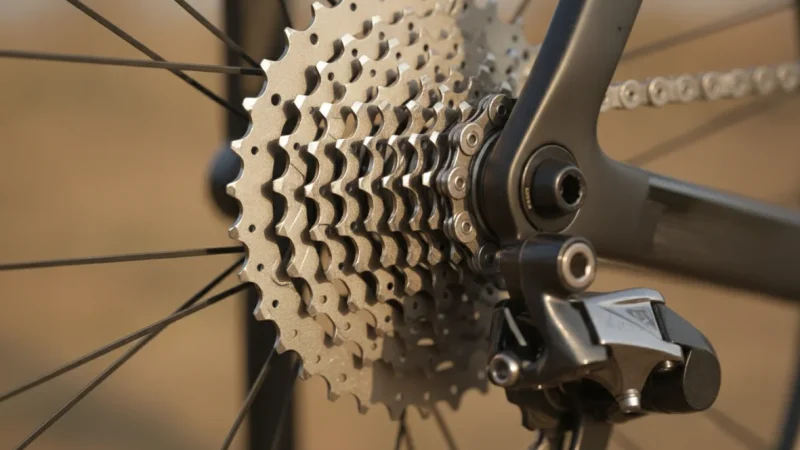
Cycling Multi-Tool Guide: Essential Functions and Best Models for Every Rider
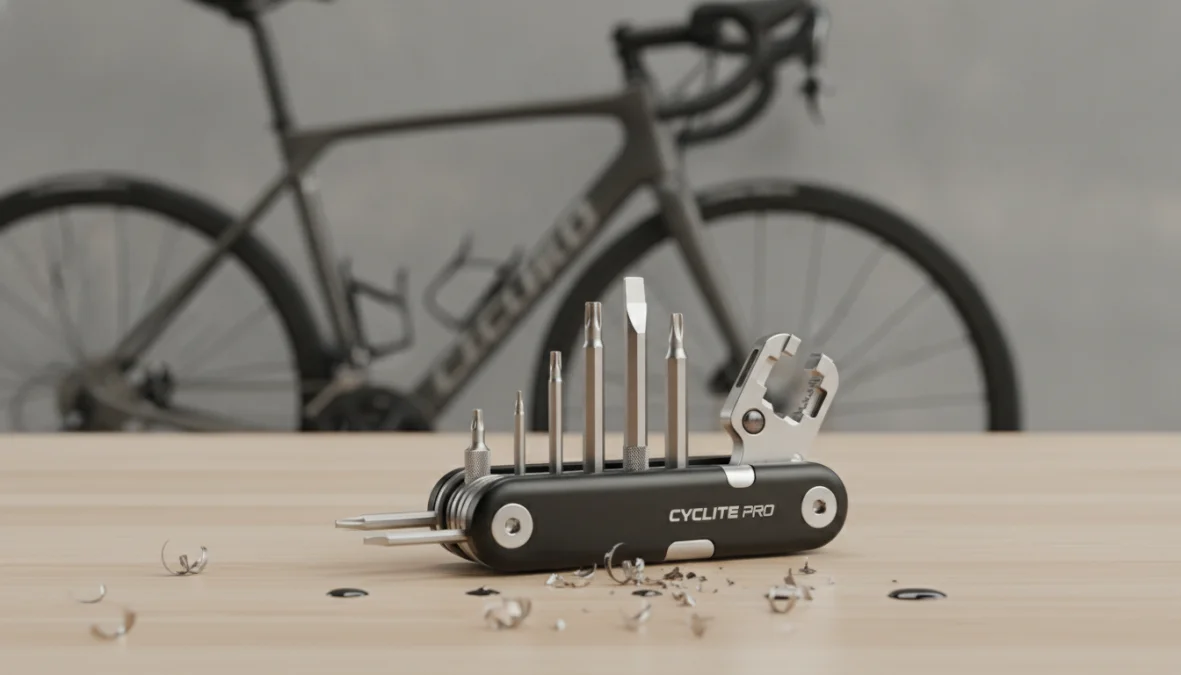
Picture this: you’re 20 miles from home on a gorgeous Sunday ride when you hear that dreaded clicking sound. Your chain’s acting up, or maybe a bolt’s come loose. Without the right tools, what should be a quick five-minute fix turns into an expensive rescue call or a long walk home. That’s where a good cycling multi-tool becomes your two-wheeled best friend—compact enough to forget it’s there, yet comprehensive enough to handle most roadside emergencies that’ll come your way.
What Makes a Cycling Multi-Tool Essential for Every Rider
Let’s get real about why every cyclist needs a proper cycling multi tool guide in their arsenal. According to cycling maintenance surveys, roughly 60% of mechanical issues that happen on the road can be fixed with just a handful of basic tools. We’re talking loose handlebars, saddle adjustments, derailleur tweaks, and minor brake alignments—all those annoying little gremlins that pop up at the worst possible moments.
The beauty of a quality bike maintenance tools setup in multi-tool form is portability. Unlike your home workshop with its full toolkit spread across pegboards, a cycling multi-tool condenses 10-20 essential bike tools into a pocket-sized package weighing less than your energy bar. It’s the difference between self-sufficiency and dependence, especially when you’re exploring new routes or pushing distance limits on adventures like those covered in our bike packing essentials guide.
Common mechanical failures that catch riders out include chain issues (18% of problems), loose stem or handlebar bolts (15%), brake adjustments (12%), and derailleur tweaks (10%). A decent multi-tool addresses virtually all of these scenarios. It’s not about replacing your home repair kit—it’s about having enough capability to either fix the problem completely or create a workable solution to get you home safely.
Key Functions and Features to Look for in a Bike Multi-Tool
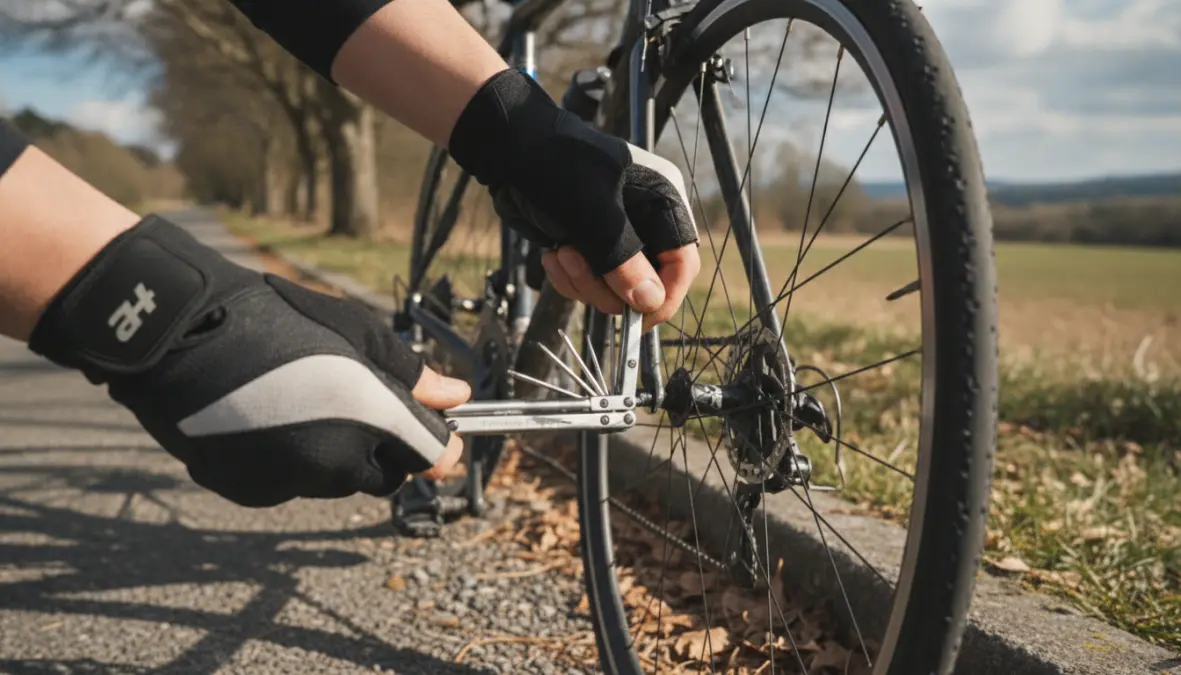
When you’re evaluating the best cycling multi tool for your needs, certain functions are absolutely non-negotiable while others fall into the “nice-to-have” category. Understanding what tools should be in a cycling multi tool helps you avoid both over-buying and under-preparing.
Essential functions every portable bike repair kit needs:
- Hex wrenches (Allen keys): Sizes 2mm through 8mm cover 95% of bike bolts. The 4mm, 5mm, and 6mm are absolute must-haves for stems, seatposts, and brake calipers
- Torx bits: T25 and T30 are increasingly common on modern disc brakes and some drivetrains
- Flathead and Phillips screwdrivers: For derailleur limit screws and various small adjustments
- Tire levers: Some multi tool for cyclists designs integrate these, though separate ones often work better
- Chain breaker: Critical for fixing broken chains or removing damaged links
- Spoke wrench: For truing wheels or replacing broken spokes on longer tours
Bonus features that separate good from great:
- Integrated valve core remover for tubeless setups
- Disc brake pad spreader
- Quick-link pliers for modern chain systems
- Bottle opener (hey, you’ve earned that post-ride beer!)
Materials matter significantly in durability and weight. Most quality tools use hardened steel or chrome vanadium alloy for the business ends, with aluminum or composite bodies to save grams. A lightweight cycling multi tool for long rides typically weighs 80-200 grams—light enough to forget, heavy enough to feel substantial when you need leverage.
Ergonomics often get overlooked until you’re struggling with a stubborn bolt on the roadside. Look for tools with enough grip surface and ideally some kind of handle extension or ergonomic design. The compact multi tool for bike emergencies that folds into the size of a matchbox might seem clever, but if you can’t actually apply torque without bloodying your knuckles, it’s useless when it counts.
Best Cycling Multi-Tools: Top Models Compared
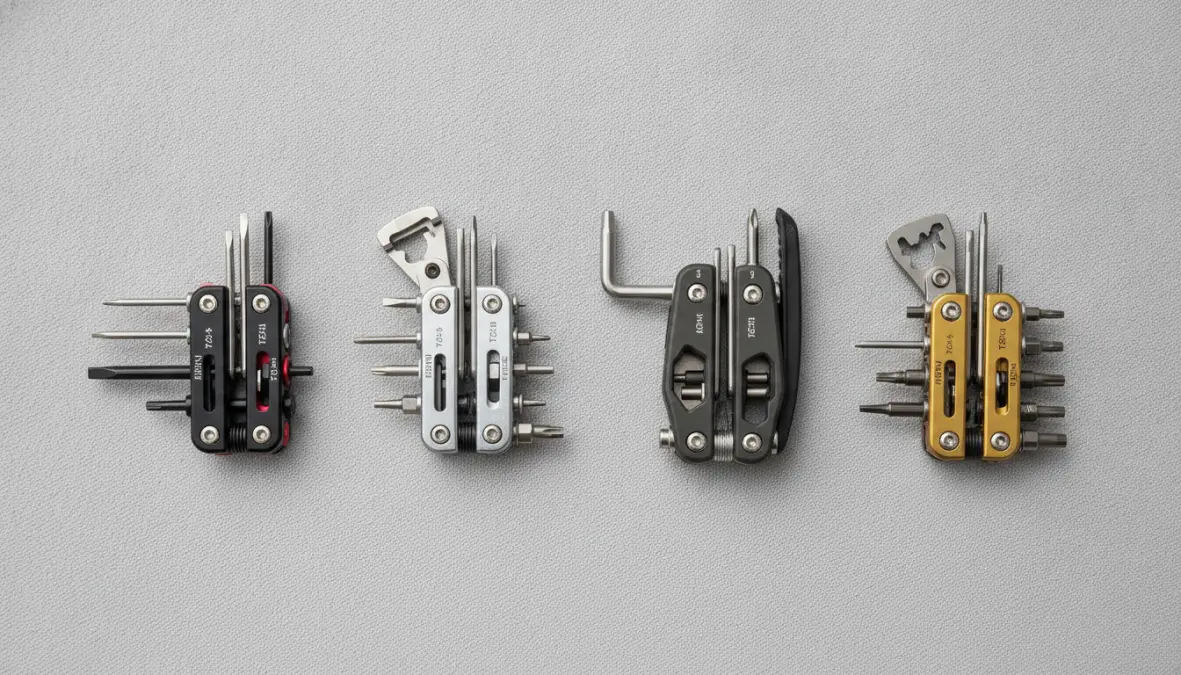
Let’s dive into some top rated cycling multi tools that consistently earn praise from riders across different disciplines. This bike multi tool review section covers various price points and specializations to help with your cycling tool comparison.
Best Overall Value: Topeak Mini 20 Pro
Packing 23 functions including all essential hex wrenches, Torx bits, a solid chain breaker, and spoke wrench, this workhorse hits the sweet spot between capability and portability. Weighs 130g, features a folding design with good grip, and won’t break the bank at around $25-30. The tool bits are hardened steel that actually last. Minor downside: the chain breaker requires some patience to line up properly.
Most Compact: Lezyne V Pro 11
When you’re asking yourself how to choose a bike multi tool for minimalist setups, this 62-gram marvel delivers 11 essential functions in a package smaller than your thumb. Perfect for road cycling where weight matters and you’re never far from civilization. Price point around $20. Trade-off: smaller size means less leverage for really stubborn bolts.
Best for Mountain Biking: Crankbrothers M19
This beast includes 19 tools specifically chosen for trail-side repairs, including a proper multi tool with chain breaker for cycling that actually works under pressure. The magnetic quick-connect feature lets you access tools without fully unfolding. Weighs 204g, costs around $40-45. Built like a tank—some riders carry this for years without issues.
Best for Road Cycling: Silca T-Ratchet + Ti-Torque Kit
If you want the best multi tool for road cycling and budget isn’t a constraint, this modular system with ratcheting mechanism and torque limiting features protects carbon components. Premium materials mean premium price ($150+), but the functionality and build quality are extraordinary. Weighs just 98g despite the sophistication.
Best Budget Option: Park Tool IB-3 I-Beam
Proving you don’t need to spend big, this $15 classic delivers 9 essential hex keys, screwdrivers, and a bottle opener in a simple I-beam design. No frills, but it works reliably and Park Tool’s reputation means quality control you can trust. Great starter option or backup tool.
When choosing between these options, consider your riding style and typical routes. Road cyclists logging miles on well-maintained routes can go lighter and more minimal. Mountain bikers and bike packers need comprehensive coverage including that crucial chain breaker. Commuters want something reliable and affordable they won’t cry about if it walks away from a cafe stop.
FAQ: Common Questions About Cycling Multi-Tools
How many tools should a bike multi-tool have?
The sweet spot is 15-20 functions for most riders. Fewer than 10 and you’ll likely encounter situations you can’t handle; more than 25 and you’re carrying unnecessary weight and bulk. Focus on having the right tools rather than the most tools—quality hex keys in common sizes (4-6mm) matter more than obscure specialty bits you’ll never use.
Can a multi-tool replace a full bike repair kit?
For roadside emergencies, absolutely. For comprehensive home maintenance, no way. Multi-tools excel at adjustments and minor repairs but lack the leverage, precision, and specialized capabilities of dedicated tools. You need both: workshop tools at home for proper service work, and a portable tool kit for rides. Think of it like the difference between a smartphone camera and a DSLR—both have their place.
What’s the difference between cheap and expensive multi-tools?
Material quality, precision machining, and durability. Cheap tools (under $10) often use soft metals that round off bolt heads, strip easily, or bend under pressure. Mid-range options ($20-40) typically use hardened steel with decent tolerances. Premium tools ($50+) offer better ergonomics, lighter exotic materials, and features like ratcheting mechanisms. For most riders, the $25-35 range delivers the best value—good enough to last years without the premium price tag.
Do I need different tools for road vs mountain biking?
Mostly no, but with nuances. Both disciplines use similar bolt sizes and standards, so the core hex key and Torx bit needs overlap significantly. Mountain bikers benefit more from spoke wrenches and chain tools since they’re more likely to be far from help on remote trails. Road cyclists can sometimes get away with more minimal setups, though having a chain breaker is still smart. The main difference is in how much capability versus weight trade-off you’re willing to make.
How do I maintain my multi-tool?
Simple: keep it clean and occasionally lubricated. After muddy or wet rides, rinse off grit and dry thoroughly to prevent rust. A tiny drop of light oil on pivot points every few months keeps things smooth. Check periodically that bits are still tight in their holders—vibration can loosen them over time. Store somewhere dry, and if you’re maintaining your fitness like the athletes in our spring training guide, make checking your multi-tool part of your pre-ride routine.
Investing in the right cycling multi-tool isn’t just about mechanical preparedness—it’s about confidence and freedom. Whether you’re commuting to work, exploring backroads, or pushing your limits on challenging terrain, knowing you’ve got the tools to handle common mechanical issues transforms how you approach riding. You’ll tackle more adventurous routes, ride with less anxiety, and develop better mechanical understanding of your bike. Choose wisely based on your actual riding needs rather than marketing hype, and that compact little tool will become one of the most valuable items you carry on every ride.