Cycling Sock Length Guide: How Height Affects Performance and Style
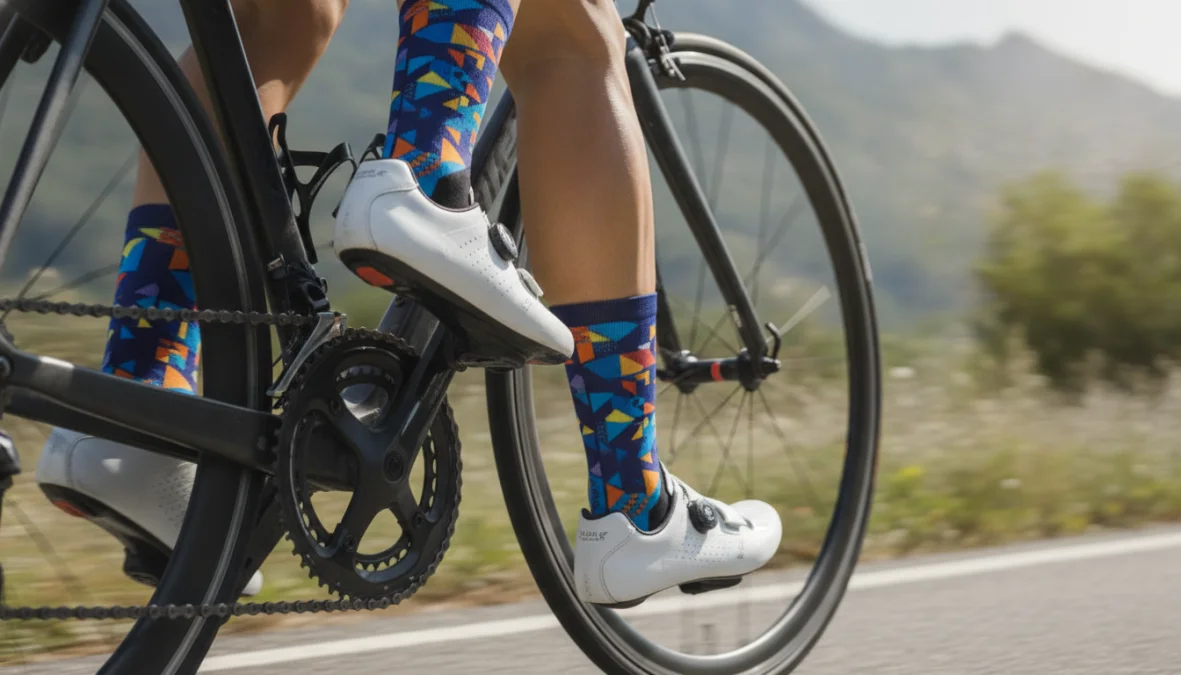
You’re kitting up for your next ride when you grab your socks and pause. Should you go with those sleek ankle socks or the taller crew-length ones hanging in your drawer? Believe it or not, cycling sock length is one of those details that sparks surprisingly passionate debates in the cycling community. While it might seem like a minor detail compared to your wheels or power meter, the height of your socks can influence everything from aerodynamics to muscle support, comfort, and yes—your overall style on the bike.
Why Cycling Sock Length Matters: Performance and Style
The question “do cycling sock lengths matter” has evolved considerably over the years. Historically, professional cyclists wore shorter socks purely for practical reasons—less fabric meant less weight and better cooling. But as cycling apparel technology advanced and aerodynamics became increasingly important, the conversation around bike sock length shifted dramatically.
Today, cycling socks performance considerations include several key factors. First, there’s the aerodynamic benefit. Studies have shown that smooth, covered legs can reduce drag compared to exposed skin, particularly when dealing with leg hair. Taller socks create a seamless transition between your leg and cycling apparel, potentially shaving precious seconds off your time—especially important when you’re training with power data and tracking marginal gains.
Beyond aerodynamics, sock height directly impacts calf compression and muscle support. Quality compression cycling socks can improve blood circulation, reduce muscle vibration during intense efforts, and potentially aid recovery. There’s also practical protection to consider—taller socks offer more ankle coverage against road debris, sun exposure, and chafing from bike shoes.
From a style perspective, cycling has definitely embraced the “pro look” of mid-to-tall crew socks. The UCI (cycling’s governing body) doesn’t have strict cycling sock length rules UCI mandates for height, though they do regulate logos and colors. However, the unwritten rule among serious cyclists? Socks that hit mid-calf suggest you mean business. Those dreaded sock tan lines have become badges of honor, marking the dedicated rider.
Cycling Sock Height Options: From Ankle to Crew
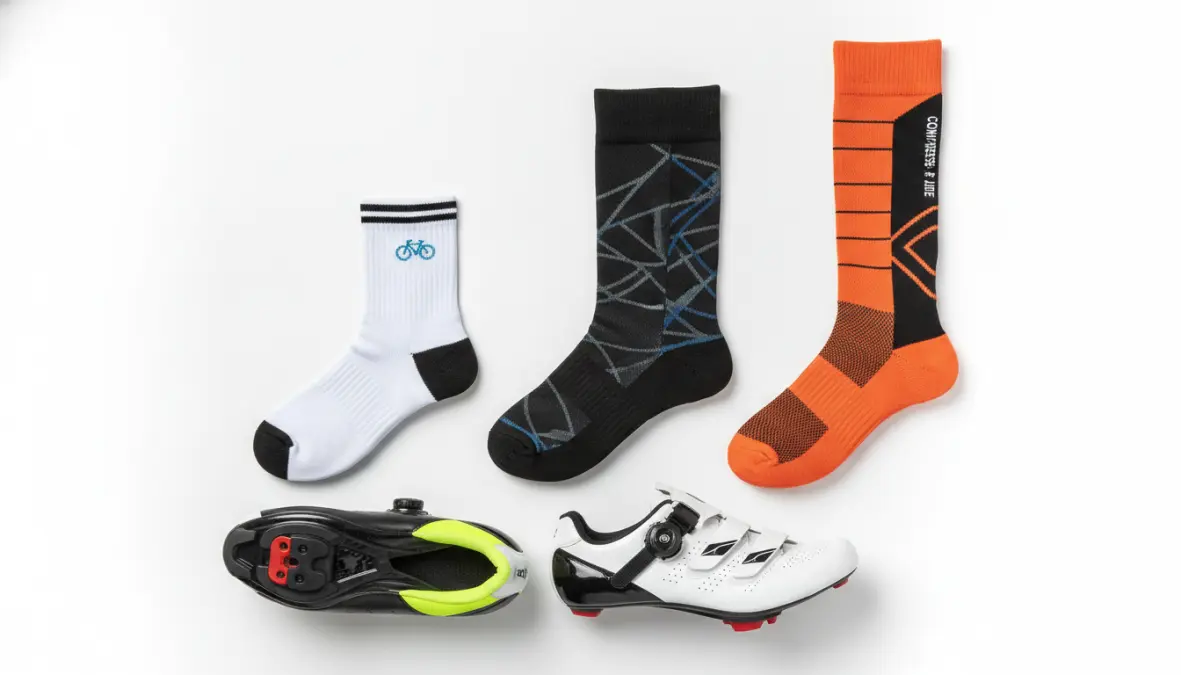
Understanding the full spectrum of cycling sock styles available helps you make informed decisions for different riding scenarios. This sock length guide breaks down your options.
No-Show and Ankle Cycling Socks
These socks typically measure under 7cm and barely peek above your cycling shoes. The primary advantage? Maximum ventilation and minimal weight. If you’re cycling in the heat or doing indoor training sessions, ankle socks keep your feet cooler while still providing essential moisture wicking properties to prevent blisters.
However, the ankle vs crew cycling socks debate clearly favors crew for serious riding. Ankle socks offer minimal compression benefits, less protection from the elements, and won’t help with aerodynamics. They’re best reserved for casual rides, spinning classes, or extremely hot weather when comfort trumps performance. Style-wise, they’re generally considered too casual for group rides or events where you want to look the part.
Mid-Crew and Tall Crew Socks (The Sweet Spot)
Welcome to the gold standard. Mid-crew socks (typically 15-20cm tall) represent the best cycling sock length for performance according to most professionals. When you watch any World Tour race, you’ll notice the answer to “what length cycling socks do pros wear”—almost universally, they’re sporting socks that hit mid-calf or slightly below.
This height offers the perfect balance. You get meaningful calf compression that supports muscle function during hard efforts, whether you’re tackling century ride preparation or intense interval training. The aerodynamic benefits become measurable at race speeds, and you enjoy full protection from sun, wind, and road spray.
Compression cycling socks in this height range provide graduated compression that enhances blood flow without restricting movement. Many riders report reduced leg fatigue on long rides and faster recovery afterward. The sock height also pairs perfectly with standard bib shorts, creating clean lines without awkward gaps. During cooler conditions, they bridge the gap between shorts and leg warmers nicely, and in transitional weather, they might eliminate the need for warmers altogether.

How to Choose the Right Cycling Sock Length for Your Needs
So how long should cycling socks be for your specific riding? Let’s create a practical decision framework based on real-world scenarios.
Consider your riding discipline: Road cyclists typically gravitate toward mid-crew socks (15-20cm) as the default choice. Mountain bikers have more flexibility—technical trail riding might favor slightly shorter socks for better ventilation, while cross-country racers often adopt road cycling standards. Gravel riders fall somewhere between, with many choosing crew socks for longer adventures like bikepacking trips.
Weather conditions matter: The question of cycling sock length for different weather is straightforward. Hot summer rides might justify ankle or low-cut socks for maximum cooling. Moderate temperatures favor standard crew height. In cooler conditions, tall crew socks (20cm+) provide extra warmth and reduce the need for full leg warmers during spring training or autumn rides.
Match intensity and distance: Casual neighborhood spins? Wear whatever feels comfortable. But for serious training rides, events, or anything over two hours, invest in quality crew-length socks with compression features. Your legs will thank you, especially when you’re dialing in nutrition timing and overall performance optimization.
Respect the unwritten rules: Group rides and racing events carry certain style expectations. While nobody will kick you out for wearing ankle socks, showing up with proper crew-length cycling socks signals you’re serious about the sport. It’s part of the cycling culture—like properly matching your kit or knowing when to rotate through a pace line.
FAQ: Common Questions About Cycling Sock Length
What is the ideal cycling sock height?
For most riders, 15-20cm (mid-crew to tall crew) represents the ideal cycling sock height. This length provides compression benefits, aerodynamic advantages, protection, and aligns with professional cycling aesthetics. It’s the versatile choice that works across disciplines and conditions.
Do professional cyclists prefer longer socks?
Yes, overwhelmingly. Professional cyclists almost universally wear crew-length socks hitting mid-calf. This preference combines performance benefits with team kit coordination and sponsor visibility. The pro peloton sets trends that filter down to amateur cycling culture.
Can sock length improve cycling performance?
Marginally, yes. While socks won’t transform your riding like proper training or equipment upgrades, the short vs long cycling socks benefits include measurable aerodynamic improvements, better muscle support through compression, and enhanced comfort on long rides. Every watt saved counts.
Should I wear compression cycling socks?
For rides over 90 minutes or high-intensity efforts, compression socks offer legitimate benefits. They improve circulation, reduce muscle fatigue, and may speed recovery. Choose graduated compression designs that are tighter at the ankle and gradually loosen toward the calf.
Do cycling sock rules differ for mountain biking vs road cycling?
Mountain biking offers more flexibility in sock choice compared to road cycling’s stronger style conventions. Technical terrain and varied conditions mean MTB riders often prioritize function over form. However, cross-country racers frequently adopt road cycling standards, while enduro and downhill riders might choose shorter, burlier socks.
Ultimately, your choice of cycling sock length should balance performance needs with personal comfort and riding style. Start with quality mid-crew socks as your foundation, then adjust based on weather, discipline, and preference. Whether you’re building base fitness through spring training or fine-tuning race-day details, the right socks are another piece of the performance puzzle. And remember—those tan lines you’ll develop? They’re just proof you’re putting in the miles.