Cycling Frame Materials Comparison: Carbon vs Aluminum vs Steel vs Titanium
Choosing the right bike frame can feel overwhelming when you’re staring at spec sheets filled with materials you might not fully understand. Whether you’re upgrading from your first bike or you’re a seasoned rider looking for that perfect ride quality, understanding cycling frame materials is crucial to making a smart investment. Carbon, aluminum, steel, titanium—each material tells a different story of performance, comfort, durability, and cost. Let’s cut through the marketing jargon and break down what really matters when comparing these four frame materials.
Understanding the Four Main Cycling Frame Materials
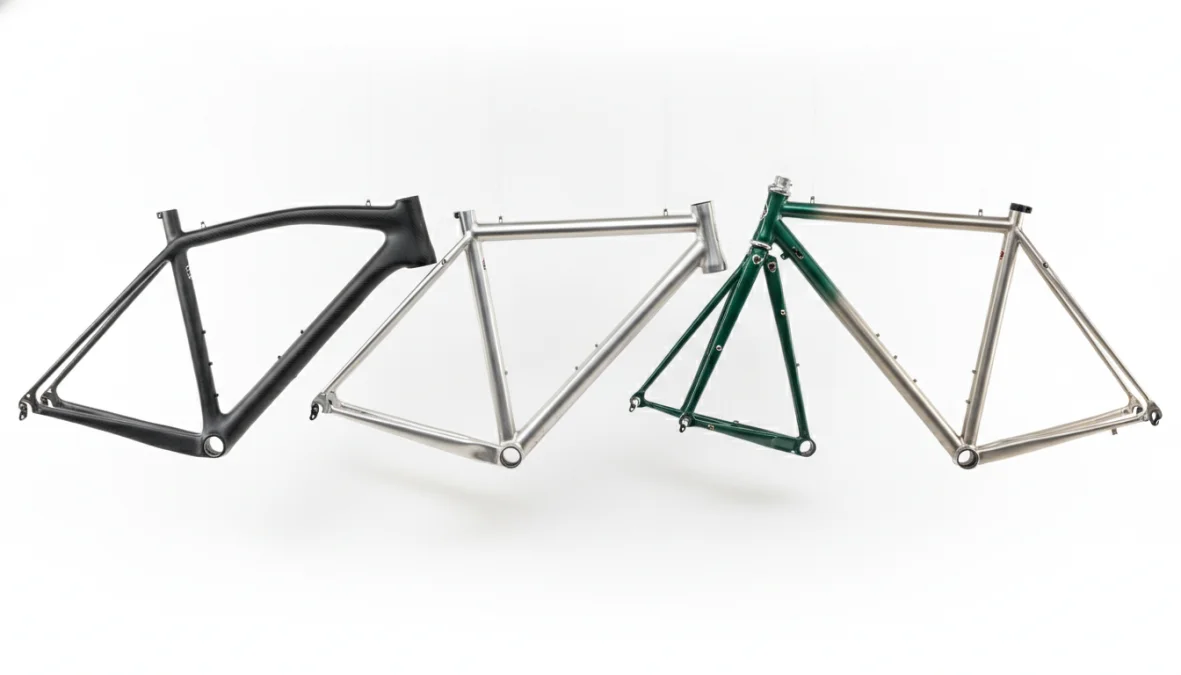
When it comes to cycling frame materials, you’ve got four main contenders in the modern market. Carbon fiber represents the high-tech option, engineered for maximum performance and minimum weight. Aluminum serves as the practical workhorse, offering solid performance without breaking the bank. Steel is the classic choice, beloved by touring cyclists and frame builders for its legendary durability and ride feel. Titanium sits in the premium tier, combining the best characteristics of other materials with near-indestructible longevity.
The bike frame comparison goes beyond just weight numbers on a spec sheet. Your frame material fundamentally shapes how your bike accelerates, how it handles rough roads, how long it’ll last, and whether you’ll need to take out a second mortgage to afford it. A carbon frame might shave precious seconds off your race time, while a steel frame could still be going strong decades from now. Understanding these differences helps you match the material to your actual riding needs rather than just chasing the latest trend.
Each material also influences frame geometry possibilities, repairability, and maintenance requirements. Carbon allows designers to sculpt aerodynamic shapes impossible with metal tubes. Steel can be repaired by any competent frame builder. Aluminum requires minimal maintenance but has a finite fatigue life. These practical considerations often matter more than raw performance specs, especially if you’re planning to keep your bike for years.
Complete Frame Material Comparison: Performance, Durability & Cost
Let’s dive deep into the frame material pros and cons for each option. This comprehensive breakdown covers everything from frame weight and frame stiffness to ride quality, durability and longevity, vibration dampening, and corrosion resistance. Understanding these characteristics helps you identify the best cycling frame material for your specific needs.
Carbon Fiber: Lightweight Performance Leader
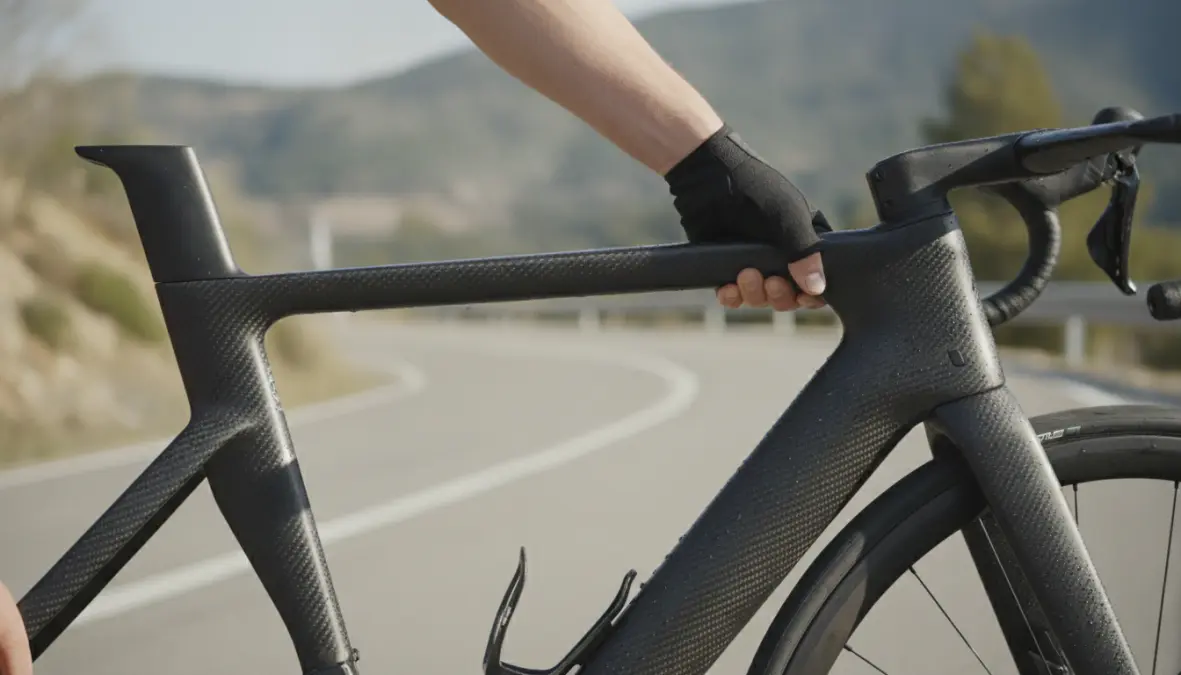
The carbon fiber bike frame dominates professional racing for good reason. When examining carbon vs aluminum bike frame weight, carbon typically wins by a significant margin—a high-end carbon frame can weigh under 800 grams, while comparable aluminum sits around 1,200-1,400 grams. Beyond pure weight savings, carbon offers engineers incredible flexibility in tuning frame stiffness in specific areas while maintaining compliance elsewhere.
The carbon fiber frame advantages and disadvantages paint an interesting picture. On the plus side, you get unmatched stiffness-to-weight ratios, superior vibration dampening that absorbs road chatter, and complete corrosion resistance. Carbon frames can be shaped into aerodynamic profiles that slice through the wind more efficiently than round metal tubes. For serious racers and performance-focused riders, carbon represents the best frame material for road cycling.
However, carbon isn’t perfect. Crash damage can be catastrophic and often invisible—a hard impact might compromise structural integrity without visible cracks. Repairs require specialized skills and equipment, making them expensive when possible at all. The premium price tag puts quality carbon frames out of reach for many riders, with decent options starting around $2,000 and top-tier frames exceeding $5,000. If you’re focused on performance and have the budget, carbon delivers unmatched results, especially when combined with proper technique like optimizing your cycling cadence and improving your aerodynamic position.
Aluminum: The Versatile Workhorse
The aluminum bike frame represents the sweet spot for most recreational and enthusiast cyclists. Modern aluminum frames offer impressive performance at accessible prices, with quality options available from $500-$1,500. Aluminum provides excellent frame stiffness, translating your pedal power directly into forward motion—perfect for training rides and spirited group rides.
Aluminum’s corrosion resistance is outstanding, requiring minimal maintenance beyond regular cleaning. The material doesn’t rust like steel, making it ideal for year-round riding in varied conditions. Weight-wise, aluminum sits comfortably in the middle ground—lighter than steel, heavier than carbon or titanium, but light enough that most riders won’t notice the difference on typical rides.
The tradeoffs? Aluminum’s stiffness, while great for power transfer, results in a harsher ride quality compared to steel or titanium. Road vibrations transmit more directly to your body, which can become fatiguing on long rides over rough pavement. Material fatigue is also a consideration—aluminum frames have a finite lifespan, typically lasting 5-10 years of regular riding before stress fractures become a concern. When comparing steel vs carbon frame durability, aluminum falls somewhere in between, outlasting carbon in crash resistance but lacking steel’s indefinite lifespan.
Steel: Classic Comfort and Durability
The steel bike frame earns its devoted following through superior ride quality and legendary durability and longevity. Steel’s natural flex absorbs road imperfections beautifully, providing the most comfortable bike frame material for long-distance riding. This makes steel the go-to choice for touring, bikepacking, and gravel adventures where all-day comfort matters more than shaving grams.
Steel frames can last literally decades with proper care. Unlike aluminum, which fatigues over time, steel maintains its structural integrity indefinitely. Repairs are straightforward—any skilled frame builder can weld a steel frame, making it ideal for remote touring where repairability matters. The material’s resilience means steel frames often become cherished companions passed down through generations.
The weight penalty is real—steel frames typically weigh 1,800-2,200 grams, noticeably heavier than other materials. For riders tackling steep climbs or racing, this matters. Corrosion resistance requires attention too; steel needs protective paint or coatings and can rust if neglected, especially at connection points where moisture accumulates. Despite these limitations, steel remains popular for bikepacking adventures and riders who prioritize comfort and longevity over pure performance.
Titanium: Premium Performance Meets Longevity
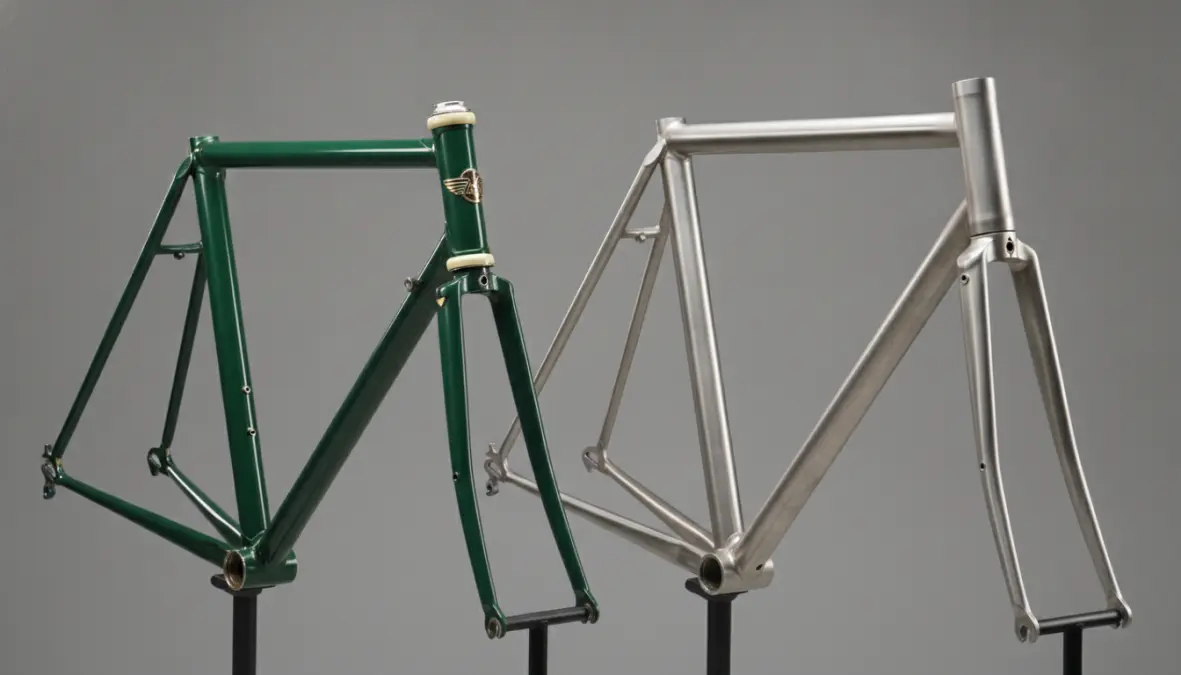
Asking “are titanium bike frames worth it” depends entirely on your priorities and budget. The titanium bike frame represents the ultimate long-term investment, combining low weight (comparable to aluminum), exceptional comfort (rivaling steel), complete corrosion immunity, and virtually unlimited lifespan. Titanium frames weigh around 1,200-1,500 grams while delivering smooth, compliant ride quality that absorbs vibrations beautifully.
Titanium’s durability and longevity answer the question “which bike frame material lasts longest“—a quality titanium frame could genuinely be the last frame you ever buy. The material doesn’t corrode, doesn’t fatigue, and maintains its ride characteristics indefinitely. Scratches and dings affect only the surface, not structural integrity, and many titanium frames are left with brushed metal finishes that age gracefully.
The catch is cost. Titanium frames typically start around $2,500 and can exceed $4,000, representing a significant investment. The material is also challenging to work with, requiring specialized welding skills that limit your frame builder options. For serious enthusiasts planning to keep their bike for decades, titanium offers unmatched value despite the upfront premium.
How to Choose the Best Frame Material for Your Needs
Selecting the best cycling frame material requires honest assessment of your riding style, budget, and priorities. Racing and performance-focused riders benefit most from carbon fiber’s weight savings and stiffness. If you’re training seriously and building your base fitness or fueling properly with carb cycling strategies, carbon maximizes your equipment’s contribution to speed.
For recreational riders, commuters, and those on tighter budgets, aluminum delivers excellent value. You get solid performance, low maintenance, and proven durability at prices that won’t require financial gymnastics. It’s the smart choice for riders logging regular miles who want quality without premium pricing.
Long-distance touring cyclists, bikepacking adventurers, and comfort-focused riders should seriously consider steel. The superior ride quality reduces fatigue on multi-hour rides, while repairability provides peace of mind on remote routes. Steel’s longevity also makes it economical over decades of use.
Titanium suits riders making a lifetime investment who want the best of all worlds. If you’re an enthusiast who rides regularly, values quality, and plans to keep your bike for years, titanium’s premium cost amortizes beautifully over time. Consider it the ultimate “buy once, cry once” option.
FAQ: Cycling Frame Materials
Which frame material is fastest?
Carbon fiber wins for pure speed due to its superior stiffness-to-weight ratio and aerodynamic shaping possibilities. The carbon vs aluminum bike frame weight difference translates directly to faster climbing and acceleration, while aerodynamic tube profiles reduce drag at high speeds.
Do carbon frames break easily?
Carbon frames resist normal riding stresses well but are vulnerable to impact damage from crashes or dropping the bike. Unlike metal frames that dent visibly, carbon can suffer internal damage that’s hard to detect. Proper care and avoiding crashes keeps carbon frames reliable for years.
How long do aluminum frames last?
Quality aluminum frames typically last 5-10 years of regular riding before material fatigue becomes a concern. Factors affecting longevity include riding style, terrain roughness, and frame quality. Aluminum doesn’t last indefinitely like steel or titanium but offers good value within its service life.
Is titanium worth the extra cost?
For riders keeping their bike long-term, titanium’s combination of low weight, superior comfort, and lifetime durability justifies the premium. If you’re upgrading frequently or budget-conscious, aluminum or steel offer better immediate value. Titanium makes sense as a final bike purchase you’ll ride for decades.
What’s the most comfortable frame material?
Steel and titanium tie for comfort, with both materials offering excellent vibration dampening and smooth ride quality. Steel edges ahead slightly in pure compliance, while titanium adds the bonus of lighter weight. Carbon can be comfortable too, but varies significantly based on specific layup and design.
Ultimately, there’s no universally “best” frame material—only the best material for your specific needs, riding style, and budget. Whether you’re racing, touring, commuting, or just enjoying weekend rides, understanding these fundamental differences helps you invest in a frame that’ll bring joy to your cycling adventures for years to come.