Cycling Arm Warmers and Leg Warmers: Complete Temperature Management Guide

There’s a special kind of frustration every cyclist knows: you start your ride shivering in the early morning chill, then twenty minutes later you’re overheating and desperately trying to cool down. Meanwhile, those arm warmers you left at home are laughing at you from the closet. The truth is, cycling arm warmers and leg warmers are among the smartest investments you can make in your cycling wardrobe—they’re the Swiss Army knife of temperature management, transforming your outfit from winter-ready to summer-light in seconds.
What Are Cycling Warmers and Why Every Cyclist Needs Them
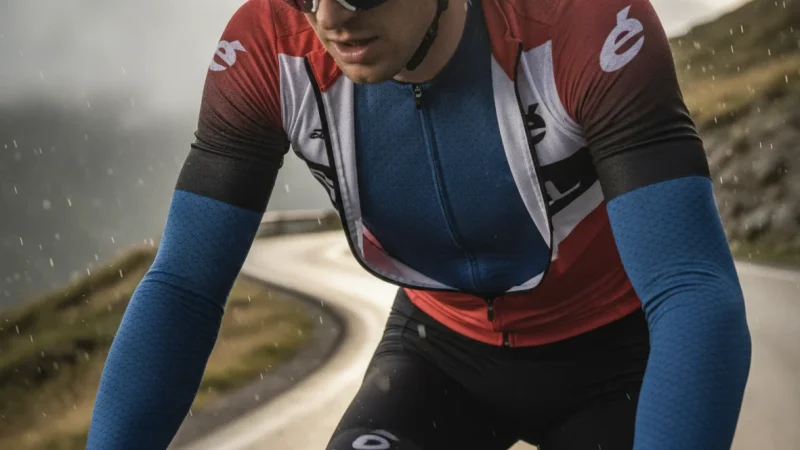
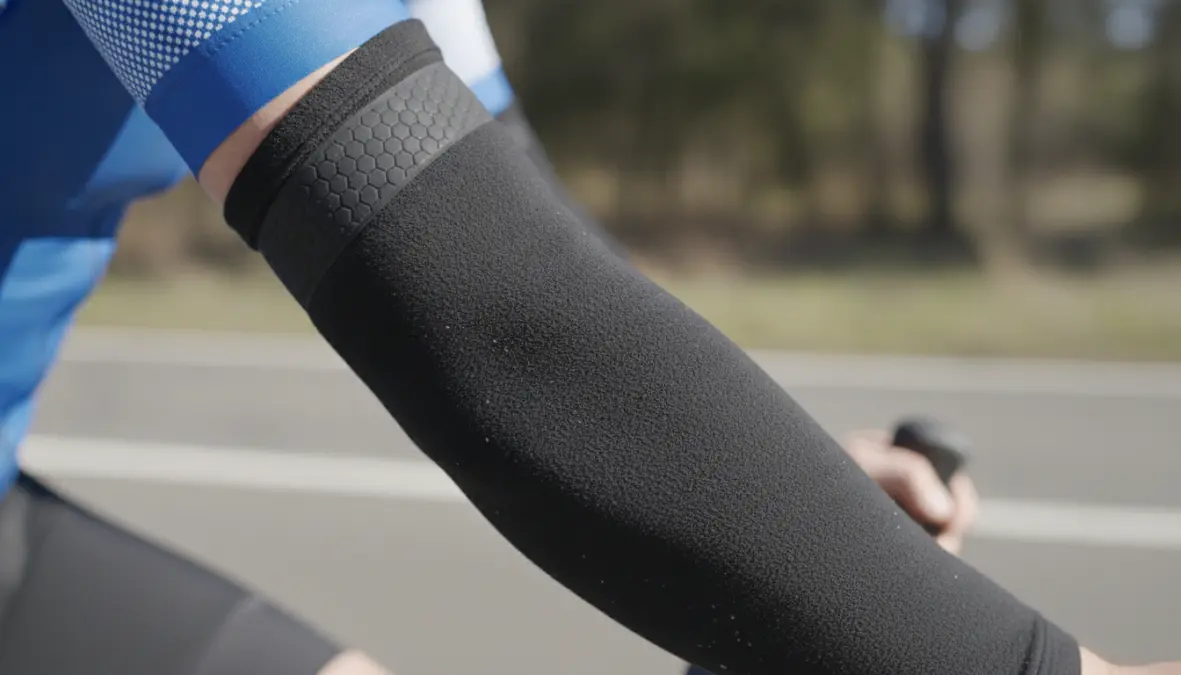
Cycling arm warmers and cycling leg warmers are removable fabric tubes that slip over your limbs to add an extra layer of insulation when temperatures drop. Unlike full jackets or tights, these cycling warmers are brilliantly versatile—you can stuff them in your jersey pocket the moment you warm up, making them perfect for those unpredictable spring mornings or chilly descents after a mountain climb.
The beauty of arm warmers for cycling lies in their simplicity. Instead of owning separate kits for every temperature range, you can combine your favorite summer jersey with warmers to cover conditions from mild to properly cold. This modular approach saves money, reduces the gear you need to haul around, and gives you precise control over your comfort level throughout a ride.
It’s worth noting the difference between traditional warmers and cycling arm sleeves—while the terms are often used interchangeably, true warmers typically feature thermal materials like fleece or Roubaix fabric, whereas arm sleeves might be lighter weight, designed more for sun protection or mild chill. Warmers are most useful during transitional seasons when you’re transitioning from indoor to outdoor cycling, during those brutally cold morning starts, or on long descents where wind chill can drop your core temperature dangerously fast.
Temperature Guidelines: When to Wear Arm and Leg Warmers
The million-dollar question: what temperature to wear arm warmers? While personal preference plays a huge role, here’s a practical framework that works for most cyclists:
- 15-18°C (59-64°F): Consider lightweight bike arm warmers if you’re particularly cold-sensitive or starting very early. Many riders go with short sleeves alone in this range.
- 10-15°C (50-59°F): Prime arm warmer territory. Pair them with your short-sleeve jersey and shorts for perfect comfort.
- 5-10°C (41-50°F): Time for both thermal arm warmers and leg warmers cycling. Consider adding a cycling gilet for core warmth.
- Below 5°C (41°F): You’re likely better off with full tights and a long-sleeve jersey, though some hardy souls still prefer the modular approach with double layers of warmers.
These ranges aren’t set in stone—several factors influence your actual needs. Ride intensity matters enormously: if you’re pushing serious watts during interval training, you’ll generate far more body heat than on an easy recovery spin. Humidity and wind can make 12°C feel like 5°C, especially on exposed roads. Your cycling apparel layering strategy should also account for duration—century rides might start cold but warm up significantly by midday.
Here’s a smart trick: when in doubt, bring them. Arm and leg warmers weigh practically nothing and compress into a tiny space in your jersey pocket. The discomfort of being too cold far outweighs the minor inconvenience of carrying extra gear. During spring training rides, I always pack lightweight cycling arm warmers for spring conditions—even if the forecast looks promising, early starts can be deceptively chilly.
How to Choose the Right Cycling Warmers: Materials, Fit, and Features
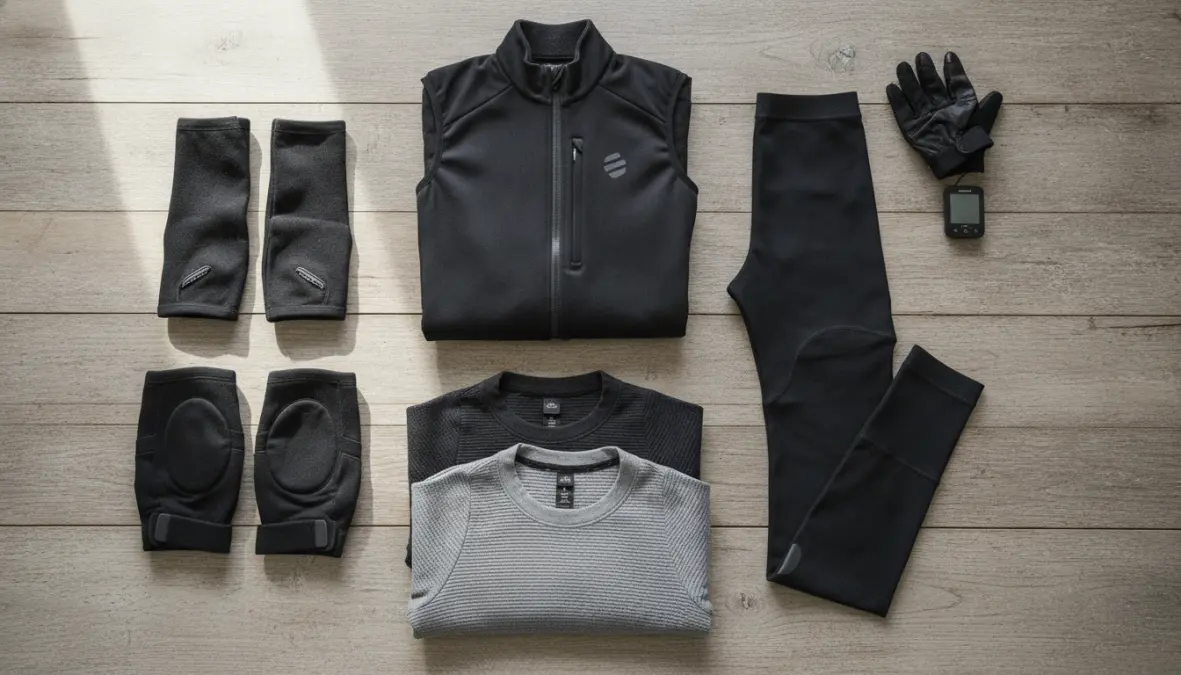
Not all cycling warmers are created equal. The material makes or breaks the experience. Fleece-backed fabrics and Roubaix are the gold standards for thermal arm warmers—they trap warmth while still managing moisture effectively. For milder conditions, consider merino wool blends that offer natural temperature regulation and odor resistance. Budget options often use simple Lycra with a brushed interior, which works fine but won’t match premium materials in either warmth or durability.
Fit is non-negotiable. Your cycling arm sleeves should feel snug without restricting circulation—if you can see fabric bunching or feel them sliding down during a ride, they’re too loose. Silicone grippers at the top are essential to keep them in place, especially when you’re out of the saddle hammering up a climb. The best models feature anatomically shaped panels that follow the natural curve of your arms and legs.
Key features to look for include reflective elements for visibility during those dark winter commutes when you’re cycling in cold weather, water-resistant treatments to handle light drizzle, and flatlock seams to prevent chafing. Some premium warmers incorporate cycling base layers technology with zoned insulation—thicker panels on exposed areas, thinner on the inside of arms where there’s less wind exposure.
How many pairs should you own? I’d recommend at least two sets—one for riding, one for washing. If you’re a serious year-round cyclist, consider having both lightweight and heavyweight versions. And don’t forget knee warmers, which offer a compromise between shorts and full tights for those in-between days. Care is simple: wash them inside-out in cold water and air dry to preserve the elastic and silicone grippers. Avoid fabric softener, which can degrade the grip.
FAQ
What’s the difference between arm warmers and arm sleeves?
While often used interchangeably, thermal arm warmers typically refer to insulated versions designed for cold weather protection, featuring materials like fleece or Roubaix. Arm sleeves can be lighter weight, sometimes used primarily for sun protection, compression, or very mild chill. For best cycling arm warmers for cold weather, look for thermal-specific models.
How do I prevent my cycling arm warmers from sliding down?
Quality silicone grippers at the bicep are essential. Ensure you’re wearing the correct size—too large and they’ll slip regardless of grippers. Some cyclists also tuck the top edge slightly under their jersey sleeve for extra security. When choosing arm warmers vs leg warmers cycling gear, always check gripper quality first.
Do arm warmers go over or under the jersey sleeve?
Always wear them under your short-sleeve jersey. This creates a clean overlap that prevents gaps, allows easy removal mid-ride (you can pull them off without removing your jersey), and creates a more aerodynamic profile. This is standard practice when to wear arm warmers cycling in any conditions.
How do I choose the right size for cycling warmers?
Measure the circumference of your bicep and calf at the widest point, then consult the manufacturer’s size chart. When learning how to choose cycling leg warmers, remember they should feel snug but not restrictive—you shouldn’t see fabric bunching or feel any circulation restriction. When in doubt, size down rather than up.
When should I remove warmers during a ride?
Remove them when you start feeling uncomfortably warm or notice excessive sweating. This usually happens as the sun strengthens or your effort level increases. The cycling arm warmers temperature guide suggests removing them when ambient temperature rises above your comfort threshold, but listen to your body—maintaining proper temperature regulation cycling is crucial for performance and comfort. Just remember to fuel properly too, as explained in our nutrition guide.
Investing in quality thermal cycling accessories like arm and leg warmers isn’t just about comfort—it’s about extending your riding season, maintaining performance in variable conditions, and having the flexibility to adapt to whatever the weather throws at you. Whether you’re embarking on multi-day bikepacking adventures or simply commuting through unpredictable spring weather, the right warmers transform from simple fabric tubes into essential tools for temperature management. Now get out there and ride—your perfectly regulated limbs will thank you.