Intermittent Fasting for Athletes: Benefits, Risks, and Performance Guide

You’ve probably heard the buzz around intermittent fasting and wondered if it could work for your training routine. While skipping meals might sound counterintuitive for athletes who’ve been told to fuel constantly, the science behind intermittent fasting athletes reveals a more nuanced picture. This eating pattern isn’t just another diet trend—it’s a strategic approach to nutrient timing that can reshape how your body uses energy, recovers, and adapts to training stress.
How Intermittent Fasting Affects Athletic Performance
When you implement fasting and exercise, your body undergoes significant metabolic shifts. During the fasted state, insulin levels drop, triggering increased fat oxidation as your primary fuel source. This metabolic adaptation can take several weeks to fully develop, but once established, it allows athletes to become more metabolically flexible—essentially teaching your body to switch between fuel sources more efficiently.
The impact on intermittent fasting performance varies dramatically depending on your sport. Research shows that athletic performance fasting affects different training intensities in distinct ways. At moderate intensities (below 70% VO2max), fasted training can actually enhance fat utilization without compromising performance. However, high-intensity efforts requiring quick energy may suffer initially due to glycogen depletion, particularly before full metabolic adaptation occurs.
Timing matters enormously. Training in a fasted state forces adaptations that improve mitochondrial function and cellular energy efficiency. Studies indicate that athletes who consistently train fasted show improved endurance markers after 4-6 weeks, though acute performance may dip initially. The key is understanding your training windows and aligning them with your eating schedule strategically.
Endurance vs Strength Training During Fasting
For intermittent fasting endurance athletes, the news is generally positive. Endurance sports benefit from enhanced fat oxidation capacity, which can spare glycogen during longer efforts. Research published in the Journal of Applied Physiology found that trained cyclists who implemented time restricted eating showed improved fat burning rates without decreasing their VO2max values. This glycogen-sparing effect becomes particularly valuable during ultra-endurance events.
Conversely, intermittent fasting for strength training athletes presents different challenges. Power output and maximal strength efforts rely heavily on immediate glycogen availability and phosphocreatine systems. Studies show that acute fasted training may reduce total training volume and intensity in strength sessions by 5-15%. However, when properly periodized during off-season phases, fasting for athletes in strength sports can optimize body composition without sacrificing muscle mass, provided protein intake remains adequate.
Body Composition and Muscle Preservation
The million-dollar question: can athletes build muscle with intermittent fasting? The answer is cautiously optimistic. While intermittent fasting muscle gain is possible, it requires meticulous attention to total protein intake and nutrient timing. Research indicates that as long as you consume adequate calories and protein (1.6-2.2g per kg bodyweight) within your eating window, muscle protein synthesis remains uncompromised.
The real challenge is achieving sufficient caloric density during compressed eating windows. Athletes with high energy demands (3000+ calories daily) may struggle to consume enough food in 6-8 hours without gastrointestinal distress. Strategic use of calorie-dense foods and proper recovery optimization through post-workout nutrition becomes critical. Consider incorporating high-quality protein sources immediately following training for optimal muscle preservation.

Benefits and Risks of Intermittent Fasting for Athletes
Let’s break down what intermittent fasting athletes can realistically expect—both the good and the not-so-good.
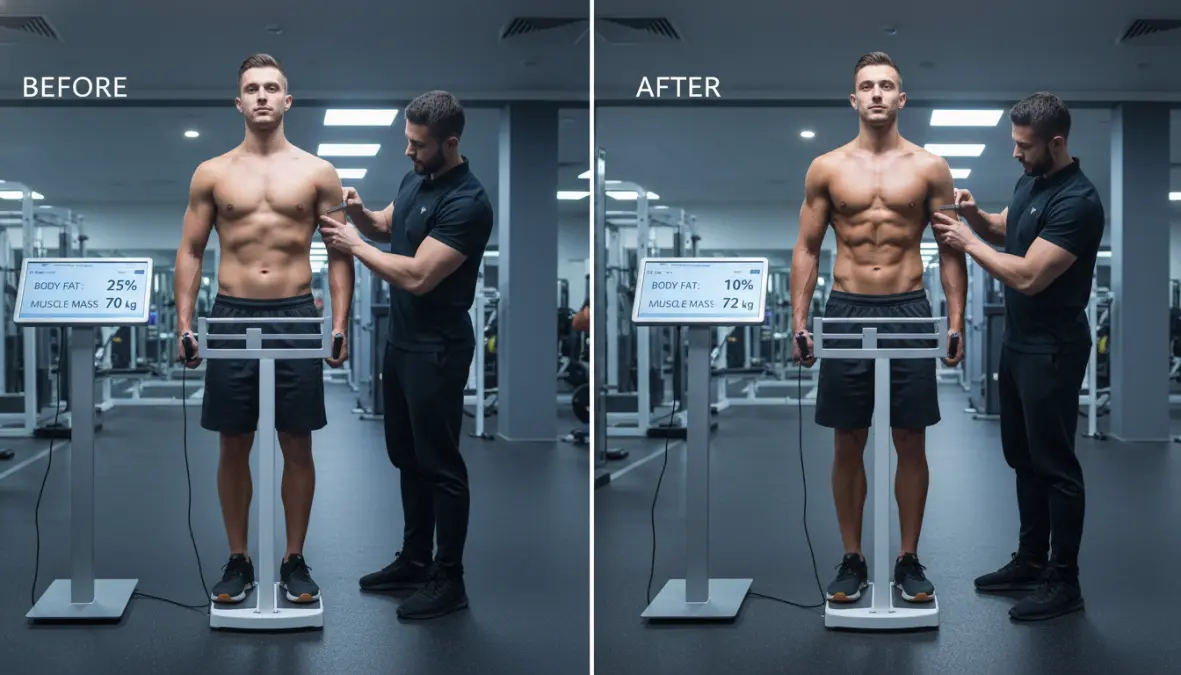
The Benefits: Beyond improved metabolic flexibility, intermittent fasting triggers cellular autophagy, essentially a cellular cleanup process that removes damaged proteins and organelles. This may accelerate recovery between training sessions. Enhanced insulin sensitivity allows for better nutrient partitioning when you do eat, directing more nutrients toward muscle glycogen replenishment rather than fat storage. Many athletes report reduced inflammation markers, which could theoretically improve recovery optimization and reduce injury risk. Improved body composition through reduced body fat while maintaining lean mass is perhaps the most consistently reported benefit, particularly when combined with proper training periodization.
Studies also suggest potential improvements in growth hormone secretion during fasted periods, which plays a role in tissue repair and metabolism. The mental clarity many athletes experience during fasted training sessions can enhance focus—something explored further in mental training approaches.
The Risks: High-intensity performance can suffer, especially during the adaptation phase. Athletes often experience decreased power output, reduced training capacity, and longer recovery times initially. The risk of excessive caloric restriction is real—when eating windows are too narrow, athletes may inadvertently under-fuel, leading to overtraining symptoms, hormonal disruptions, and performance decline.
Female athletes face particular concerns. Low Energy Availability (LEA) can disrupt menstrual function, decrease bone density, and impair immune function—a triad of symptoms that seriously compromises health and performance. Cortisol levels may elevate chronically if fasting stress combines with training stress without adequate recovery. Testosterone levels in male athletes can also drop with prolonged aggressive fasting protocols.
Warning signs that intermittent fasting isn’t working include persistent fatigue, declining performance metrics tracked through performance testing, increased injury frequency, mood disturbances, sleep disruptions, and cessation of menstruation in females. If these appear, reassess immediately.
Best Intermittent Fasting Protocols for Athletes
Choosing the best intermittent fasting schedule for athletes depends on training volume, intensity, and individual response. Here are the most practical athlete fasting protocols:
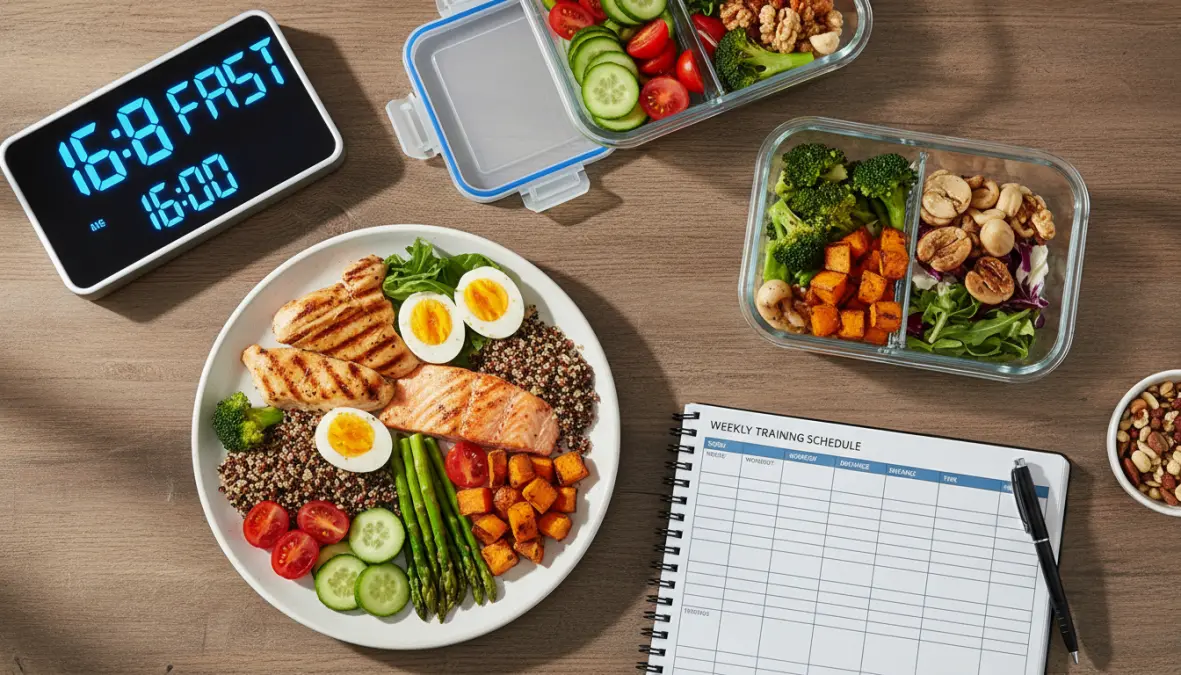
16:8 Protocol (16 hours fasting, 8-hour eating window): This is the most popular approach for active individuals. Typically implemented as skipping breakfast and eating between noon and 8 PM. Best suited for athletes training in late morning or afternoon who can fuel immediately post-workout. Works well for moderate-intensity training and maintenance phases. Example: strength training at 5 PM, first meal at noon, final meal by 8 PM.
14:10 Protocol (14 hours fasting, 10-hour eating window): A gentler approach ideal for those new to fasting or female athletes concerned about hormonal impacts. Eating from 8 AM to 6 PM provides flexibility for morning training sessions while still offering metabolic benefits. Suitable for high-volume training periods and endurance athletes with significant caloric needs.
5:2 Protocol (5 days normal eating, 2 days reduced calories): Involves eating normally five days weekly and restricting to 500-600 calories on two non-consecutive days. Best implemented during off-season or base-building phases, with restricted days coinciding with rest or very light training. Not recommended during competition phases or high-intensity training blocks.
Practical Implementation Guidelines: The question of intermittent fasting workout timing for athletes is crucial. For fasted training sessions, limit intensity to aerobic zones (below 75% max heart rate) until adaptation occurs. For high-intensity work, schedule sessions 2-3 hours after breaking your fast. Always prioritize hydration and electrolyte balance during fasted periods—water, black coffee, tea, and electrolyte solutions without calories are permitted.
Within your eating window, prioritize protein at each meal, include complex carbohydrates timed around training, and don’t fear healthy fats. Consider implementing strategic carb timing to maximize glycogen replenishment. Start gradually—begin with a 12:12 schedule and extend the fasting window by one hour weekly until reaching your target. Maintain consistent training quality as your primary metric; if performance declines persistently after 3-4 weeks, adjust your protocol.
Track your response using both subjective measures (energy, recovery, mood) and objective data through fitness tracking technology to monitor heart rate variability, resting heart rate, and performance metrics.
FAQ
Can you build muscle with intermittent fasting?
Yes, muscle building is possible with intermittent fasting if you consume adequate protein (1.6-2.2g per kg bodyweight) and maintain a slight caloric surplus within your eating window. Focus on post-workout nutrition immediately after training, and consider timing your largest meals around training sessions to maximize muscle protein synthesis.
Should I do fasted cardio?
Fasted low-to-moderate intensity cardio can enhance fat oxidation adaptations and is generally safe for adapted athletes. However, high-intensity interval training or threshold work is better performed in a fed state to maintain quality and volume. Start with shorter fasted sessions (30-45 minutes) and progress gradually.
What should athletes eat during the eating window?
Prioritize whole foods: lean proteins, complex carbohydrates, vegetables, fruits, and healthy fats. Structure meals to include protein at each feeding, carbohydrates timed around training sessions, and sufficient calories to meet energy demands. Don’t skip post-workout nutrition—this window is critical for recovery regardless of your fasting protocol.
Is intermittent fasting safe for female athletes?
Female athletes should approach intermittent fasting cautiously due to greater susceptibility to hormonal disruptions and Low Energy Availability. Shorter fasting windows (14:10 or less), regular menstrual cycle monitoring, and immediate protocol cessation if menstrual irregularities occur are essential. Many female athletes thrive better with less aggressive approaches or cycling fasting during certain menstrual phases.
How long before seeing performance benefits?
Metabolic adaptations typically require 3-6 weeks, with initial performance possibly declining during the first 2-3 weeks. Body composition improvements may appear within 4-6 weeks. Performance enhancement depends on sport type—endurance athletes often see benefits sooner than strength/power athletes. Patience and consistent tracking are essential.
Can elite athletes use intermittent fasting?
Some elite athletes successfully implement intermittent fasting during base-building or off-season phases to optimize body composition. However, most avoid strict fasting during competition periods when performance must be maximized. The demands of elite-level training often require more flexible fueling strategies rather than restricted eating windows.
Intermittent fasting for athletes isn’t a one-size-fits-all solution. It’s a tool that, when properly implemented with attention to individual response, training demands, and adequate nutrition, can offer metabolic and body composition benefits. Listen to your body, track your metrics, and remember that performance should always be your ultimate guide.