Cycling in Traffic: Essential Safety Tips for Urban Riders
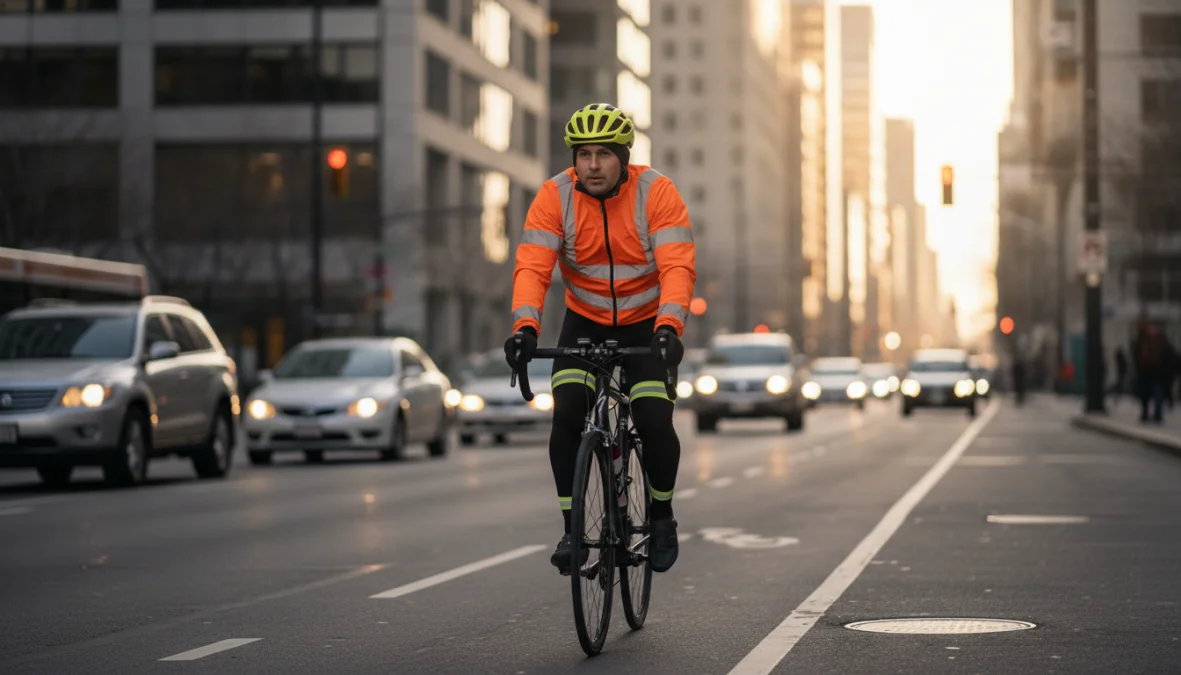
Navigating city streets on two wheels can feel like a dance with metal giants—exhilarating, efficient, but demanding your full attention. Whether you’re a seasoned bike commuter or just starting to explore cycling in traffic, understanding how to ride safely among cars, buses, and pedestrians is essential. The good news? With the right techniques, awareness, and gear, you can confidently claim your space on urban roads while staying protected. Let’s dive into the practical strategies that will transform you into a savvy city cyclist.
Essential Traffic Cycling Techniques for Urban Environments
Mastering traffic cycling techniques is the foundation of urban cycling safety. When riding bike in city environments, your positioning and predictability can mean the difference between a smooth commute and a dangerous situation.
Lane positioning is critical—ride about a meter from parked cars to avoid the dreaded “door zone” where opening car doors can knock you into traffic. In narrow lanes where cars can’t safely pass, take the center of the lane confidently. This might feel intimidating at first, but it prevents drivers from squeezing past unsafely and makes you more visible.
Here are the most important techniques for cycling in traffic:
- Eye contact with drivers: At intersections and when merging, make direct eye contact with motorists. If they see you looking at them, they’re far more likely to acknowledge your presence and yield appropriately.
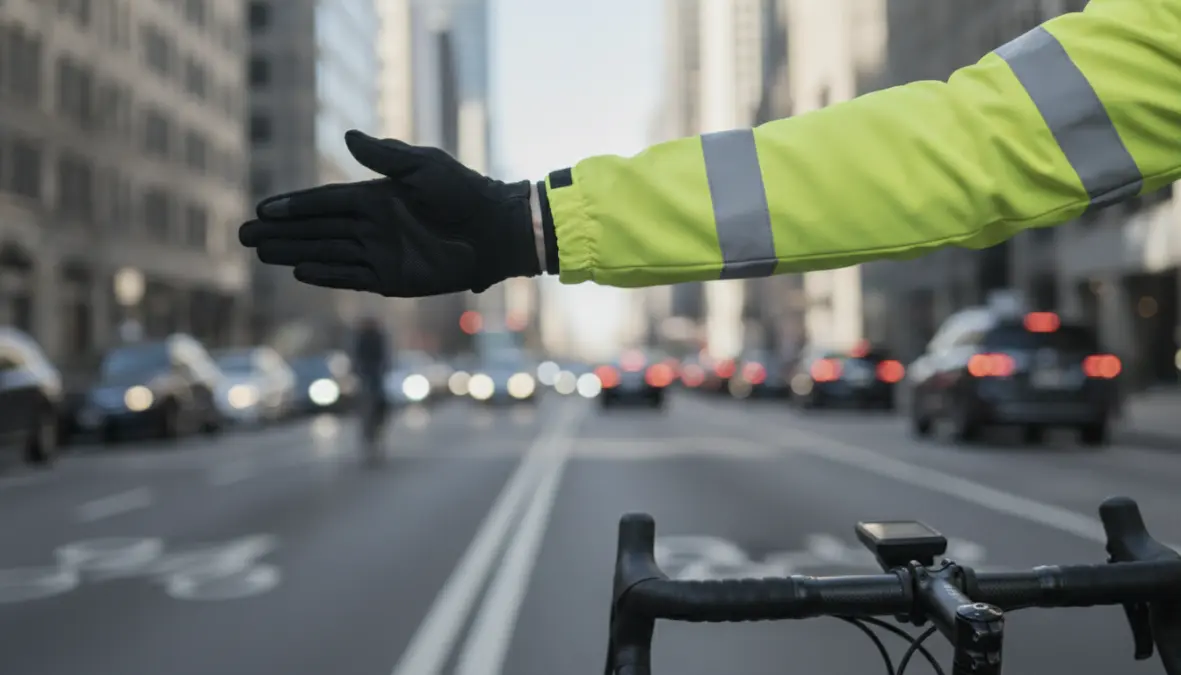
- Clear hand signals: Signal every turn and lane change well in advance. Extend your left arm for left turns, your right arm (or left arm bent upward) for right turns, and left arm bent downward to indicate stopping.
- Predict traffic patterns: Watch for turn signals, brake lights, and wheel movements. Anticipate that drivers will do unexpected things—turning without signaling, opening doors, or pulling out from parking spots.
- Intersection navigation: Position yourself where you’re most visible before intersections. If turning left on busy roads, sometimes it’s safer to cross as a pedestrian rather than merging across multiple lanes.
- Roundabout strategy: Take the lane before entering, signal clearly, and maintain a confident line through your exit. Hesitation in roundabouts creates confusion.
Understanding how to navigate busy streets on a bicycle also means recognizing when to be assertive and when to yield. Unlike in group rides where pack riding etiquette governs behavior, solo urban riding requires constant negotiation with motor traffic.
City Cycling Rules and Road Safety Best Practices
Learning city cycling rules isn’t just about avoiding tickets—it’s central to cycling road safety and building bicycle safety awareness among all road users. When cyclists follow the same rules as drivers, we become predictable and earn respect on the roads.
First, the fundamentals: obey all traffic lights and stop signs, ride with traffic (never against it), and yield right of way according to standard traffic laws. In most jurisdictions, cyclists have the same rights and responsibilities as motor vehicles, which means you belong on the road, not the sidewalk (unless local laws specifically permit it).
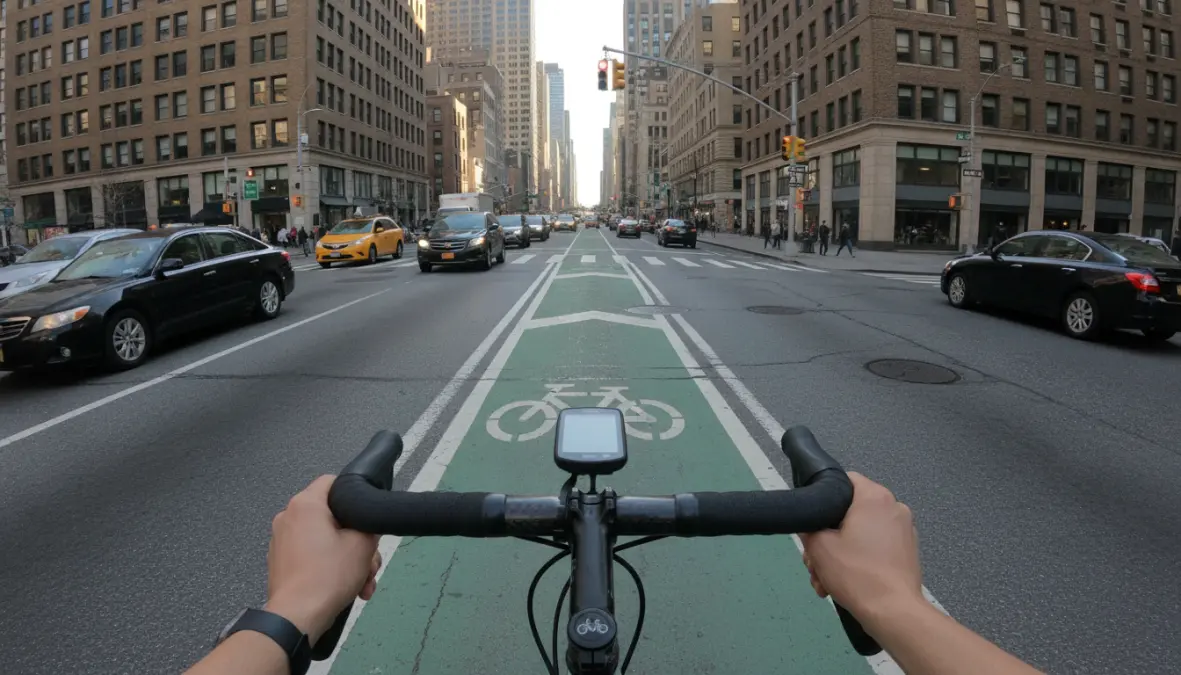
Bike lanes are your friend when available, but they’re not always mandatory. Sometimes taking the regular traffic lane is safer, especially when bike lanes are poorly maintained, filled with debris, or put you in drivers’ blind spots at intersections. Use your judgment and prioritize safety over simply staying in marked lanes.
Essential bike commuting tips for equipment include:
- Helmet safety: A properly fitted helmet can reduce head injury risk by up to 70%. Make sure it sits level on your head and the straps form a “V” under your ears.
- Visibility gear: Front white lights and rear red lights aren’t optional—they’re legally required after dark in most areas. Add reflective clothing or accessories to increase visibility during the day too.
- Bell or horn: A simple way to alert pedestrians and drivers of your presence without aggression.
- Weather-appropriate gear: Just as you’d prepare with proper summer cycling gear for heat, dress appropriately for rain and cold to maintain control and comfort.
Avoid common dangerous behaviors like weaving between cars, running red lights, or wearing headphones that block traffic sounds. These shortcuts might save seconds but risk your life. Respecting traffic laws and pedestrian zones creates a culture where cycling is taken seriously as legitimate transportation.
Building Defensive Riding Skills for Safer Bike Commuting
The concept of defensive riding borrows from defensive driving: assume others don’t see you and always have an escape route. This mindset is essential for staying safe while cycling in the city and represents the most important bike commuting tips you can learn.
Road awareness means constantly scanning your environment—not just what’s immediately ahead, but checking over your shoulder before lane changes, monitoring side streets for emerging vehicles, and watching the road surface for hazards like potholes, glass, or storm grates. Develop a “sixth sense” for danger by recognizing patterns: cars with their wheels turned are about to pull out, delivery trucks create blind spot zones, and rush hour brings distracted, aggressive drivers.
Learning tips for riding bicycle in urban traffic includes understanding vehicle blind spots. Trucks and buses have massive blind zones—if you can’t see the driver’s mirrors, they definitely can’t see you. Never position yourself alongside large vehicles at intersections where they might turn across your path.
Weather and lighting conditions demand extra caution. Following best practices for commuting by bike in traffic means adjusting your speed and following distance in rain, fog, or darkness. If conditions feel too dangerous, there’s no shame in walking your bike on the sidewalk or choosing a different day to ride.
Route planning is a defensive strategy too. Use mapping apps that show bike-friendly routes, prioritize streets with bike lanes or lower traffic volumes, and scout new routes on weekends before attempting them during rush hour. Building confidence gradually—starting with quiet streets before tackling major arterials—helps develop the skills needed for more challenging environments.
When you encounter aggressive drivers, don’t engage. A simple wave or nod acknowledges their presence without escalating tension. Your goal is to arrive safely, not to win arguments. Remember that most drivers aren’t malicious—they’re just not used to sharing space with cyclists. Your consistent, predictable behavior helps educate them.
FAQ
What should I do when cycling in heavy traffic?
When learning how to cycle safely in heavy traffic, focus on visibility and predictability. Take the lane if necessary to prevent unsafe passing, maintain steady speed, signal all movements clearly, and make eye contact with drivers. Position yourself where you’re most visible at intersections, and don’t be afraid to wait for a safe gap before proceeding. Stay calm and assertive—your confidence communicates that you belong on the road.
Is it safer to ride on the sidewalk or road?
Generally, riding on the road is safer for adult cyclists. Sidewalk riding puts you in conflict with pedestrians and makes you invisible to drivers at driveways and intersections, where most bike-car collisions occur. Drivers don’t expect fast-moving traffic on sidewalks. Roads provide predictable space governed by understood traffic laws. Check local regulations, as some cities prohibit sidewalk cycling for adults entirely.
How can I increase my visibility to drivers?
Maximize visibility with bright or reflective visibility gear, powerful front and rear lights (even during daytime), and contrasting clothing. Position yourself in drivers’ sightlines rather than hugging the curb. Use lights that flash to catch attention, and add reflective tape to your helmet, bike frame, and panniers. Make deliberate movements and hand signals that draw attention to your presence and intentions.
What gear is essential for city cycling?
Essential gear includes a properly fitted helmet for helmet safety, front white and rear red lights, a bell or horn, and a basic repair kit (spare tube, tire levers, pump, multi-tool). A quality lock protects your investment. Consider fenders for wet weather, a rack or panniers for carrying items safely, and reflective accessories. Proper gear makes urban cycling safety practical and sustainable for daily commuting.
How do I handle aggressive drivers?
Stay calm and avoid confrontation. Most aggressive behavior stems from driver ignorance about cycling rights, not personal malice. Don’t chase down vehicles or yell back—it escalates danger. If someone is dangerously close or threatening, note their license plate and report serious incidents to police. Focus on defensive cycling techniques for city riders: prioritize your safety over proving a point, and remember that you’re more vulnerable physically even when legally right.
Cycling in urban traffic doesn’t have to be scary—it can be empowering, efficient, and even enjoyable once you’ve built the skills and confidence. By mastering essential techniques, following the rules, and adopting a defensive mindset, you’ll transform from a nervous rider into a capable commuter who navigates city streets with ease. Every pedal stroke you take helps normalize cycling as legitimate transportation and makes roads safer for everyone. So gear up, stay alert, and claim your space on the road—the city is yours to explore.