The Complete Cycling Cap Guide: Function, Style, and When to Wear One

Ever wondered why so many cyclists rock those stylish little caps with the tiny brims, both on and off the bike? If you’ve seen the peloton or local coffee shop crew sporting what the French call a casquette, you might be curious about what makes this piece of cycling apparel so essential. This cycling cap guide breaks down everything you need to know about this iconic accessory—from its practical functions to how to choose the perfect one for your riding style.
What Is a Cycling Cap and Why Do Cyclists Wear Them?
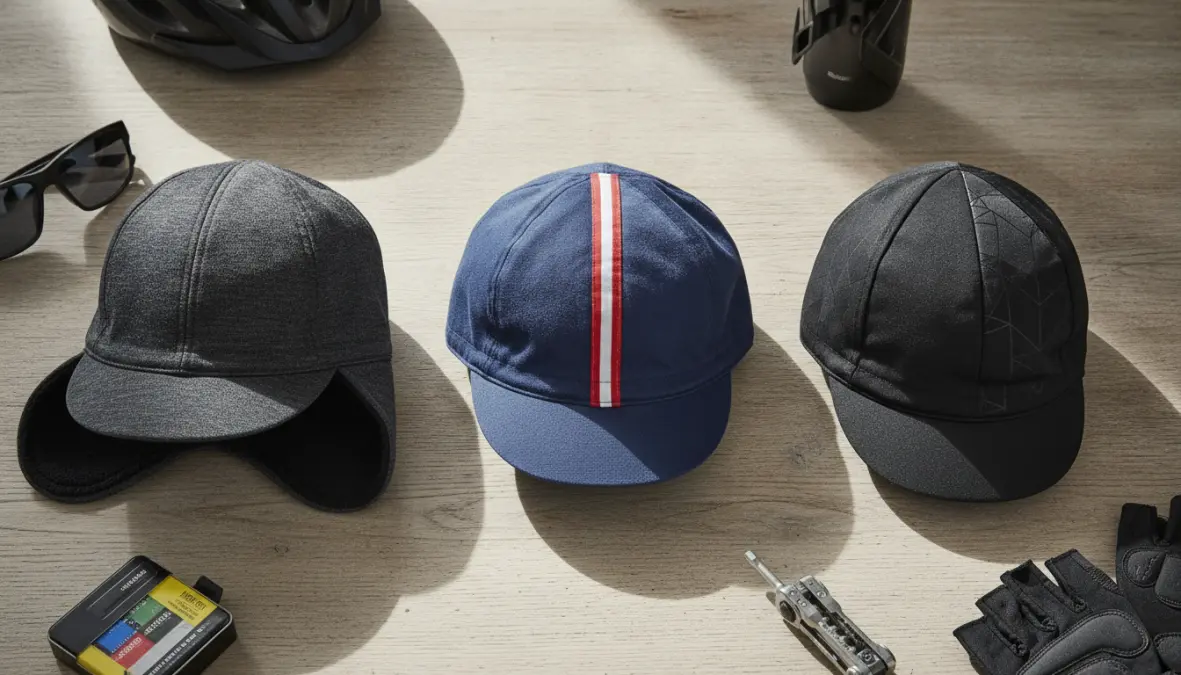
A cycling cap is a lightweight, close-fitting hat with a small peak (or brim) designed specifically for cyclists. Traditionally, the cycling cap purpose was purely functional—protecting riders from sun, rain, and sweat during long races before modern helmets became mandatory. The classic design features multiple fabric panels (usually four to six) sewn together with a short, stiff peak brim that can be flipped up or down.
Historically rooted in European racing culture, the casquette became synonymous with professional cycling. Riders wore them under leather hairnet helmets or on their own during casual rides. Today’s cycling caps maintain that heritage while incorporating modern materials like moisture-wicking synthetics, merino wool, and thermal fabrics for different weather conditions.
Unlike regular baseball caps or running hats, what is a cycling cap comes down to its specific design: the low-profile construction fits comfortably under a helmet, the short brim doesn’t interfere with vision or aerodynamics, and the lack of adjustment straps means a clean, streamlined fit. Some bike cap designs include earflaps for winter riding, transforming them into thermal cycling caps for cold-weather protection.
Key Benefits and Functions of Cycling Caps
The cycling cap purpose extends far beyond looking pro. Let’s break down the practical benefits that make this cycling accessory worth adding to your kit.
Sun Protection: That small brim does serious work shielding your eyes and face from harsh sunlight. When you’re grinding up a climb with the sun beating down, the peak provides welcome relief without the bulk of a larger hat. This sun protection cycling feature is especially valuable during summer rides when you’re already dealing with heat and intensity. The brim also prevents sweat from dripping directly into your eyes—a small comfort that makes a big difference on long efforts.
Sweat Management: Modern cycling caps excel at absorbing perspiration from your forehead before it reaches your eyes or drips onto your sunglasses. The fabric panels wick moisture away from your skin, keeping you more comfortable during intense efforts. This sweat management function is crucial when you’re pushing hard on climbs or during hot weather rides, similar to the challenges addressed in our guide on cycling in the heat.
Weather Protection: A bike cap provides a barrier against light rain, keeping water out of your eyes when the weather turns. While it won’t replace a full rain jacket, it’s perfect for those spring showers you might encounter during spring training rides. In colder conditions, a thermal cycling cap adds an extra insulation layer under your helmet, protecting ears and head from biting winds.
Post-Ride Versatility: After you’ve finished your ride and removed your helmet, a cycling hat keeps you looking presentable at the café stop while still providing sun protection. It’s the perfect solution for helmet hair and keeps your head warm as you cool down. Many cyclists keep one in their jersey pocket for exactly this purpose, especially during multi-day cycling adventures.
Under the Helmet or Solo: When to Wear Your Cycling Cap
Understanding when to wear a cycling cap depends on conditions and personal preference. The most common use is wearing a cycling cap under helmet during rides. This provides all the benefits mentioned above while maintaining safety—your helmet should always fit properly even with the cap underneath. To ensure correct positioning, place the cap so the brim sits just above your eyebrows, then adjust your helmet’s retention system to achieve a snug, secure fit.
Many riders wonder about cycling cap with or without helmet scenarios. During the actual ride, safety dictates helmet use, but caps work brilliantly solo before and after. Pre-ride, they keep you warm and shaded while you’re preparing your bike. Post-ride, they’re ideal for recovery sessions, casual coffee stops, or simply keeping sun off your head as you load your gear.
The key to how to wear a cycling cap correctly is ensuring it doesn’t compromise helmet fit. Your helmet must sit level on your head—not pushed back or tilted—even with the cap underneath. If you can’t achieve proper helmet positioning, choose a thinner cap or skip it for that particular ride.

How to Choose the Best Cycling Cap for Your Needs
Finding the best cycling caps for your riding requires considering several factors. This cycling cap guide section helps you make the right choice.
Material Selection: Traditional cotton caps offer classic style and decent sweat absorption but dry slowly. Modern synthetic fabrics (polyester blends) excel at moisture-wicking and dry quickly, making them ideal for intense summer rides. Merino wool provides natural temperature regulation and odor resistance, working well across various conditions. For winter, look for thermal materials with windproof panels.
Seasonal Considerations: Summer caps prioritize lightweight, breathable fabrics with maximum ventilation. Winter versions feature thicker materials, often with earflaps for additional warmth during cold-weather training—essential when you’re transitioning from indoor to outdoor cycling. All-season options offer versatility but may compromise on specific-condition performance.
Fit and Sizing: Most cycling caps come in standard sizing (small/medium, large/XL) or one-size-fits-most. A proper fit should feel snug without being tight, sitting comfortably on your head without slipping. The brim should align naturally with your eyebrows. Try it under your helmet before committing to ensure compatibility.
Price and Quality: Basic cycling hats start around $15-20 and work fine for casual riders. Mid-range options ($25-40) typically offer better materials and construction. Premium caps ($40+) from established brands feature superior fabrics, reinforced stitching, and often include design collaborations. Expect to pay more for euro-style cap designs from heritage brands.
When learning how to choose a cycling cap, consider your primary use. If you’re mainly riding in summer heat, prioritize breathability. For year-round use, invest in multiple caps for different conditions. Style matters too—choose designs that complement your kit and reflect your personality, whether that’s classic team colors or bold modern patterns.
FAQ
Do you wear a cycling cap under helmet?
Yes, many cyclists wear caps under helmets for sun protection, sweat management, and added comfort. Ensure your helmet still fits properly and sits level on your head with the cap underneath. Never compromise helmet safety for comfort.
What’s the point of a cycling cap?
Cycling caps serve multiple purposes: the brim shields your eyes from sun and rain, the fabric absorbs sweat, and it provides an extra layer for warmth or protection. They’re also perfect for post-ride wear when you remove your helmet.
Can you wear a cycling cap casually?
Absolutely! Cycling caps have crossed over into casual fashion and work great for everyday wear. They’re lightweight, packable, and offer sun protection for any outdoor activity, not just cycling.
How should a cycling cap fit?
A proper fit is snug but not tight, sitting comfortably around your head without pinching. The brim should rest just above your eyebrows. It shouldn’t shift around during riding or feel restrictive.
When should you not wear a cycling cap?
Skip the cap if it prevents proper helmet fit or positioning. In extremely hot conditions, some riders prefer maximum ventilation without any head covering under the helmet. Choose what works best for your comfort and safety—just like optimizing your nutrition strategy with our cycling nutrition guide.
Whether you’re chasing watts with a power meter or just enjoying casual rides, a quality cycling cap adds both function and style to your kit. Start with one versatile option, experience the benefits firsthand, and you’ll likely find yourself building a collection for different seasons and moods. Now get out there and ride in comfort—and style.