How to Shift Gears on a Road Bike: Complete Guide to Smooth Shifting
Ever felt like you’re grinding through gears like you’re stuck in molasses, or heard that dreaded chain grinding sound mid-ride? You’re not alone. Mastering bike gear shifting is one of those skills that separates smooth, efficient riders from those constantly battling their drivetrain. The good news? Once you understand the basics and develop proper habits, how to shift gears smoothly on a road bike becomes second nature. Let’s dive into everything you need to know to make your road bike shifting effortless and enjoyable.
Understanding Your Road Bike Gear System
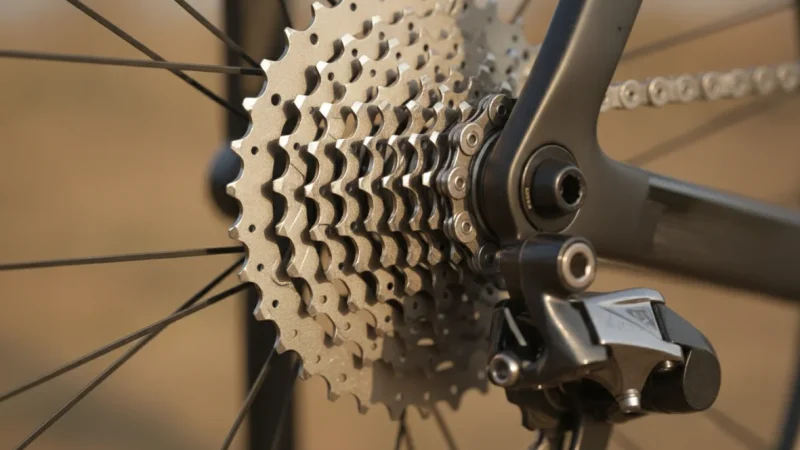
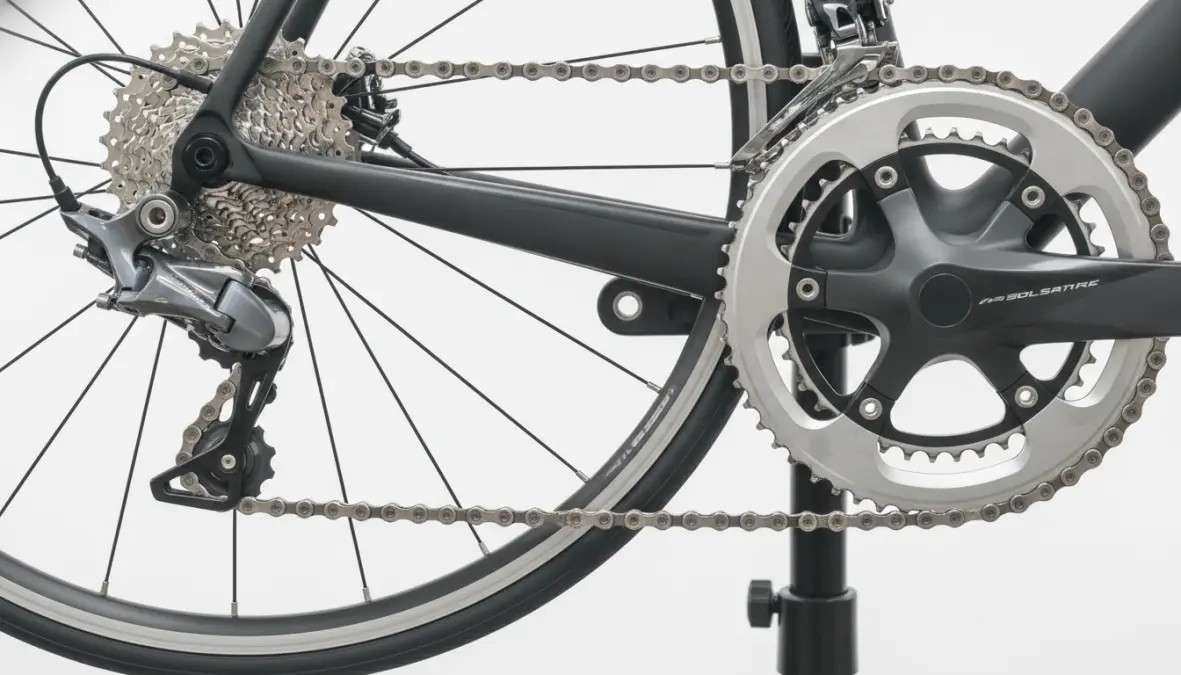
Before you can master bike gear shifting, you need to understand what you’re working with. Your bicycle gear system consists of several key components working together: the shifters (mounted on your handlebars), the front and rear derailleurs, the cassette (rear gears attached to your wheel), and the chainrings (front gears attached to your cranks). When you shift, you’re essentially moving the chain between different-sized cogs to change your mechanical advantage.
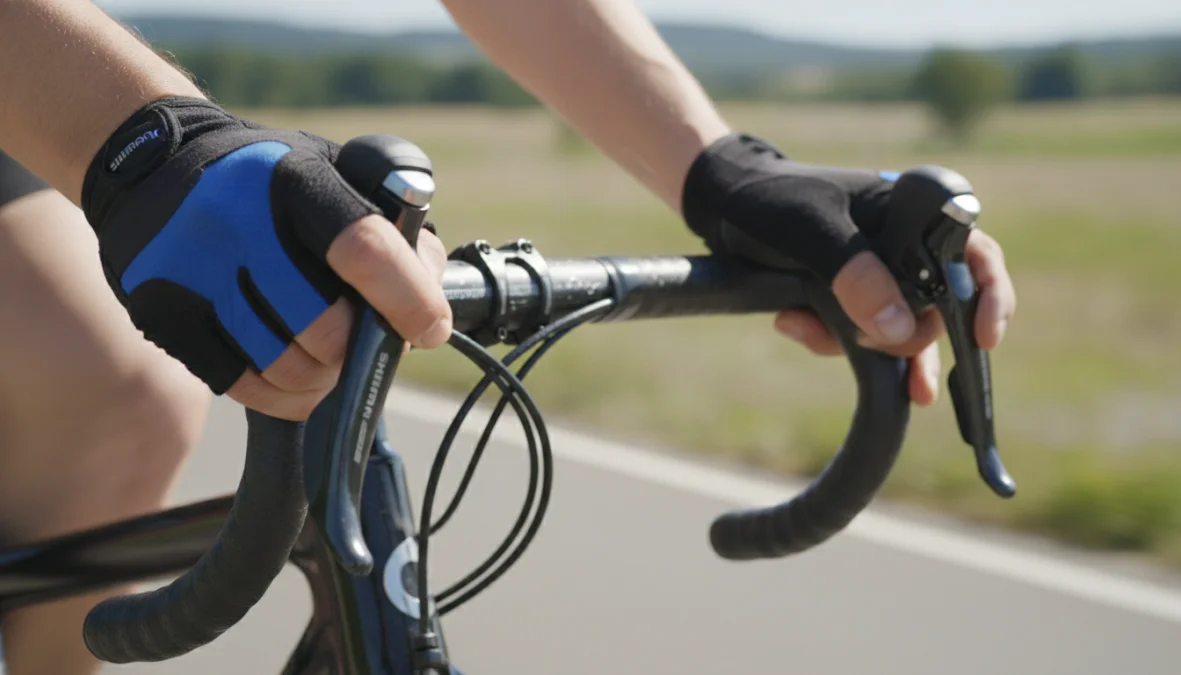
The STI levers (Shimano Total Integration) or their equivalents from SRAM and Campagnolo are your command center. With Shimano, the brake lever swings inward to shift to harder gears, while a smaller paddle shifts to easier ones. SRAM uses a single lever with different click positions, and Campagnolo features a thumb shifter behind the brake hood. The rear derailleur handles most of your gear changes (typically 11-12 speeds on modern road bikes), while the front derailleur moves between your chainrings (usually 2 on road bikes). Understanding this system is crucial for effective road bike shifting. If you’re considering different bike types, check out our comparison of gravel bike vs road bike to understand how gearing differs across cycling disciplines.
Proper Gear Shifting Techniques and Best Practices
Now that you understand the hardware, let’s talk about the proper gear shifting techniques that’ll transform your riding experience. These gear shifting tips are essential whether you’re a complete beginner or looking to refine your skills.
When and How to Shift Gears
Timing is everything when it comes to when to shift gears while cycling. The golden rule? Anticipate, don’t react. Shift before you hit that climb, not halfway up when you’re already grinding. When you see a hill approaching, shift into an easier gear while you’re still on flat ground and pedaling with light pressure. This prevents strain on your drivetrain and ensures smooth transitions.
Understanding how to use bike gears effectively means maintaining a consistent cadence—ideally between 80-100 revolutions per minute for most riders. Your cadence is more important than your speed. If you’re mashing the pedals at 60 rpm, shift to an easier gear. If you’re spinning frantically at 120 rpm, shift harder. For shifting gears uphill on road bike, drop into easier gears progressively as the gradient increases, keeping that cadence steady.
On descents, shift to harder gears to maintain leg speed without spinning out. In headwinds, use slightly easier gears than you’d think—fighting wind is exhausting, and maintaining cadence is more efficient than raw power. Always ease off pedal pressure slightly during the shift itself. You should still be pedaling, but reduce the force. This allows the chain to move smoothly between cogs without grinding. Regular bike chain maintenance also ensures your shifts stay crisp and responsive.
Common Shifting Mistakes to Avoid
One of the biggest errors in road bike gear shifting for beginners is shifting under maximum load. Hammering up a climb and suddenly trying to shift? That’s a recipe for chain skip, derailleur damage, or worse. Always reduce pedal pressure before shifting. Another common mistake is “cross-chaining”—using your big chainring with your biggest rear cog, or small chainring with smallest rear cog. This creates an extreme chain angle that wears components faster and reduces efficiency.
Many riders also make multiple rapid shifts without giving the derailleur time to settle, leading to missed shifts and chain noise. Shift one or two gears at a time, especially on the front. Ignoring strange noises is another red flag—if you hear grinding, rubbing, or clicking, something needs attention. Not anticipating terrain changes forces you into panic shifts under load, which is exactly what you want to avoid. Learning proper shifter techniques takes practice, but avoiding these mistakes will save your components and improve your ride quality significantly. Proper positioning also helps—our bike fitting guide explains how correct posture makes shifting more intuitive and comfortable.

Troubleshooting and Basic Derailleur Adjustment
Even with perfect technique, you’ll occasionally encounter shifting issues. Understanding basic bike derailleur adjustment can save you from walking home or cutting rides short. The most common problem? Chain skipping between gears, usually caused by cable tension issues or a dirty drivetrain. If shifts are sluggish moving to easier gears, increase cable tension using the barrel adjuster (the cylindrical knob where the cable enters the derailleur) by turning it counter-clockwise a quarter turn at a time.
If your chain rubs against the front derailleur in certain gear combinations, minor adjustments to the limit screws (the small screws on the derailleur body) might help, but be cautious—incorrectly adjusted limit screws can throw your chain off completely. For persistent issues like how to avoid chain skipping when shifting, the problem might be a worn cassette, stretched chain, or bent derailleur hanger. These require professional attention.
Preventive maintenance is your best friend for smooth road bike shifting. Clean your drivetrain regularly—dirt and grime are the enemies of precise shifts. Lubricate your chain after cleaning and wipe off excess. Check cable housing for kinks or damage, especially where cables enter the frame. Replace cables annually or when you notice fraying. If you’re transitioning from indoor to outdoor cycling, give your bike a thorough check before hitting the roads—trainer bikes often need derailleur adjustments after months of stationary use. When in doubt, visit a qualified bike mechanic. A professional tune-up typically costs less than replacing components damaged by neglected maintenance.
FAQ
Should you pedal while shifting gears?
Yes, you must pedal while shifting—derailleurs need chain movement to work. However, reduce pedal pressure significantly during the shift. Think “soft pedaling” rather than coasting or mashing. This allows the chain to move smoothly between cogs without grinding or skipping, protecting your drivetrain components.
What gear should I use going uphill?
Use easier gears that allow you to maintain a cadence of 70-90 rpm without excessive strain. Shift to your small chainring and use your larger rear cogs. The steeper the climb, the easier the gear. Focus on sustainable effort rather than raw power—you’ll climb more efficiently and avoid knee pain from grinding big gears.
Why is my bike not shifting smoothly?
Common causes include cable tension issues, dirty drivetrain, worn components, or misaligned derailleurs. Start with cleaning and lubricating your chain and cassette. Check for cable fraying. If problems persist after basic maintenance, your derailleur may need professional adjustment or you might have a worn chain/cassette requiring replacement.
How often should I adjust my derailleurs?
With proper maintenance, derailleurs rarely need adjustment. New cables stretch after 100-200 miles, requiring a minor tension adjustment. Otherwise, only adjust when you notice shifting problems. Annual professional tune-ups catch issues before they become major problems. Focus more on regular cleaning and cable maintenance than constant adjustments.
Can I shift the front and rear derailleur at the same time?
While technically possible, it’s generally not recommended, especially for beginners. Simultaneous shifts can confuse the drivetrain and cause poor chain engagement. Shift the rear first, then the front if needed. Exception: experienced riders sometimes coordinate shifts to maintain cadence during rapid terrain changes, but this requires practice and understanding of gear combinations.
What is cross-chaining and why should I avoid it?
Cross-chaining means using extreme gear combinations—big chainring with biggest rear cog, or small chainring with smallest rear cog. This creates severe chain angles that increase friction, wear components faster, reduce shifting precision, and waste your energy. Modern drivetrains have enough rear gears to avoid these combinations entirely while maintaining your preferred cadence.
Mastering bike gear shifting transforms your riding from a constant struggle into smooth, efficient movement. Whether you’re tackling climbs, planning bike packing adventures, or training for your first triathlon, proper shifting techniques will make every ride more enjoyable. Practice these skills regularly, maintain your drivetrain, and soon you’ll be shifting instinctively without conscious thought. Get out there and put these techniques to work—your legs (and your bike) will thank you!