Glutamine for Athletes: Essential Recovery Benefits and Immune Support
If you’ve ever felt completely wiped out after intense training sessions or found yourself catching every cold during peak competition season, you’re not alone. Many athletes experience these challenges, and that’s where glutamine for athletes becomes a game-changer. This often-overlooked amino acid plays a crucial role in recovery, immune function, and overall athletic performance. Let’s dive into why glutamine deserves a spot in your supplement stack and how it can help you train harder and recover smarter.
What Is Glutamine and Why Athletes Need It
Glutamine is the most abundant amino acid in your body, making up about 60% of the amino acids in your skeletal muscle. Under normal circumstances, your body produces enough glutamine on its own. However, here’s the catch: during intense training, your glutamine stores can become severely depleted. This is why glutamine is classified as a conditionally essential amino acid—meaning that while it’s not typically essential, certain conditions (like hard training) make supplementation necessary.
When you push your body through grueling workouts, your muscles release glutamine faster than they can produce it. This depletion can last for hours or even days after intense exercise. For athletes, this creates a critical gap that can impact recovery, immune function, and performance. L-glutamine sports performance benefits come from bridging this gap during periods of physiological stress.
The difference between athletes and the general population is significant. While a sedentary person might never experience glutamine depletion, athletes—especially those training multiple times per day or competing in endurance events—face chronic low glutamine levels. This is particularly true during heavy training blocks, competition periods, or when combining intense workouts with caloric restriction. Just as proper sleep optimization is crucial for recovery, maintaining adequate glutamine levels supports your body’s ability to adapt to training stress.
Key Benefits of Glutamine for Athletic Performance
The glutamine benefits athletes experience extend far beyond simple muscle recovery. Here’s what makes this amino acid so valuable for your training:
Muscle Recovery and Reduced Soreness: Does glutamine help with muscle recovery? Absolutely. Glutamine plays a vital role in muscle protein synthesis and helps restore glycogen stores after intense workouts. By supporting faster recovery, it can reduce the severity of delayed-onset muscle soreness (DOMS) and get you back to training sooner. The glutamine muscle recovery process works by providing fuel for rapidly dividing cells and supporting the repair of damaged muscle fibers during post-exercise recovery.
Immune System Support: Here’s something many athletes don’t realize—intense training temporarily suppresses your immune system, leaving you vulnerable to infections. This is especially problematic for endurance athletes who might ask, “what are glutamine benefits for endurance athletes?” The answer lies in glutamine immune system support. Your immune cells use glutamine as their primary fuel source. Supplementation can help maintain immune function training levels and reduce the incidence of upper respiratory tract infections that plague athletes during heavy training periods.
Intestinal Health and Nutrient Absorption: Your gut lining also relies heavily on glutamine. Intense exercise can compromise gut barrier function, leading to inflammation and poor nutrient absorption. Maintaining intestinal health athletes need ensures you’re actually absorbing the nutrients from your carefully planned diet. Similar to how anti-inflammatory foods support recovery, glutamine helps maintain a healthy gut environment.
Overtraining Prevention: Chronically low glutamine levels are a marker of overtraining syndrome. By maintaining adequate levels through supplementation, you support proper nitrogen balance and may help prevent the cascade of issues associated with overtraining prevention. This is particularly important when combining intense training with nutritional strategies like intermittent fasting.
Muscle Mass Preservation: During periods of caloric restriction or extreme training volumes, glutamine helps prevent muscle breakdown. It does this by serving as a nitrogen donor and supporting cellular hydration, both of which contribute to maintaining lean muscle mass.
How to Use Glutamine: Dosage, Timing, and Best Supplements
Now that you understand why glutamine matters, let’s talk practical application. How much glutamine should athletes take daily? Most research suggests a glutamine dosage athletes should follow ranges from 5-10 grams per day, with some athletes taking up to 20 grams during particularly intense training phases or competition periods.
Optimal Timing: When considering the best time to take glutamine for athletes, there are several effective strategies. Glutamine post workout supplementation is popular because your muscles are primed to absorb nutrients and glutamine stores are depleted. Taking 5-10g immediately after training supports recovery and muscle protein synthesis. Another effective timing is before bed—glutamine taken at night can support overnight recovery and immune function. During periods of extremely high training volume, split dosing (morning, post-workout, and before bed) can maintain more consistent blood glutamine levels.
For endurance athletes preparing for events, starting glutamine supplementation 2-3 weeks before competition can help support immune function when you can’t afford to get sick. This pairs well with proper hydration strategies and carb timing.
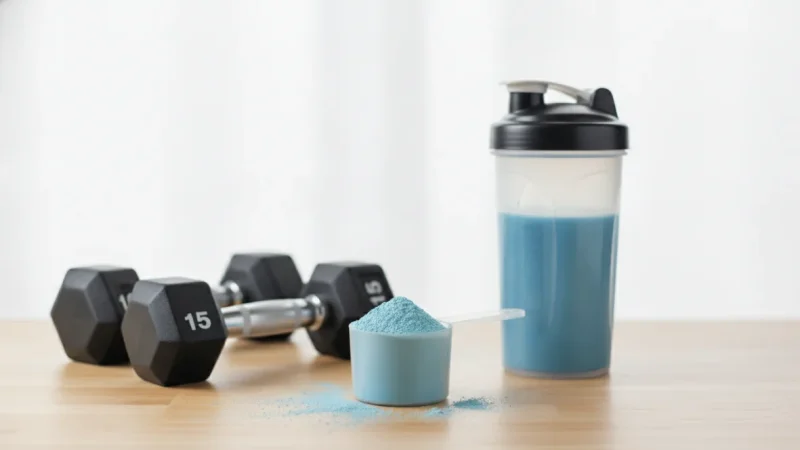
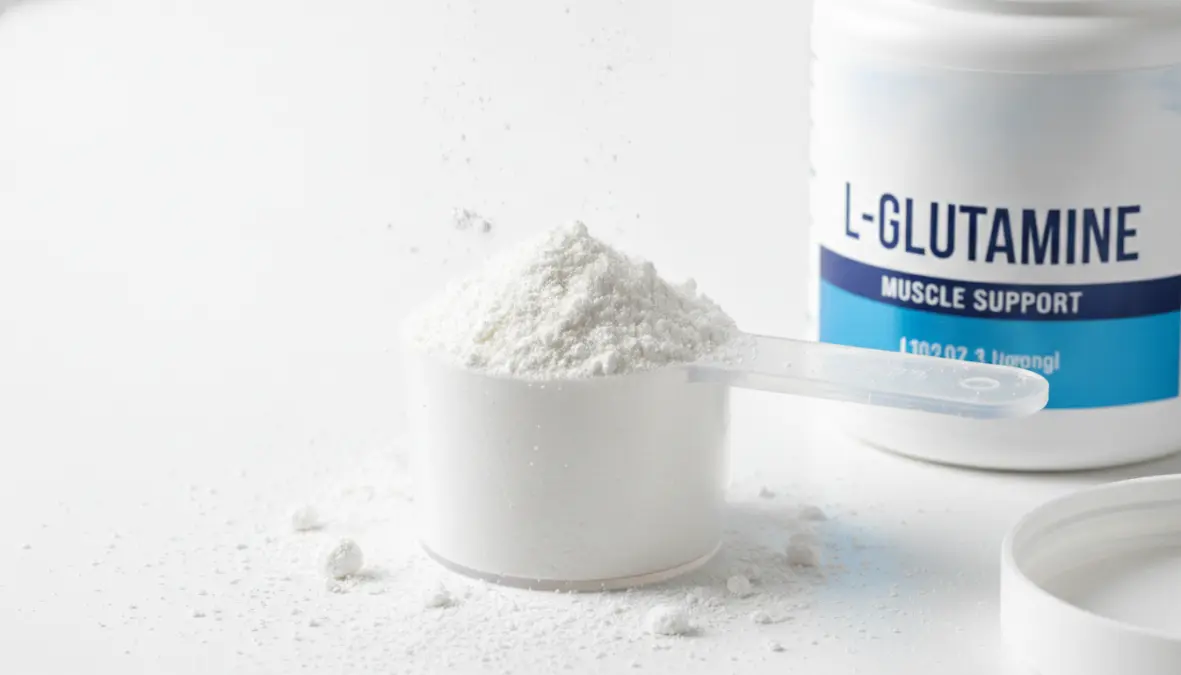
Choosing the Best Glutamine Supplement: When shopping for the best glutamine supplement, look for pure L-glutamine powder or capsules from reputable manufacturers. Powder is generally more cost-effective and easier to dose precisely. Avoid products with unnecessary fillers or additives. Quality matters—choose brands that third-party test for purity and potency.
Combination Strategies: Glutamine works well with other supplements. Many athletes wonder about glutamine vs BCAA for recovery—the truth is they complement each other. BCAAs stimulate muscle protein synthesis, while glutamine supports immune function and gut health. Consider combining glutamine with quality protein sources for comprehensive recovery support.
Important Considerations: While glutamine is generally safe, if you have kidney disease, liver disease, or are pregnant, consult your healthcare provider before supplementing. Also, if you’re using certain medications, particularly those affecting neurotransmitters, check for potential interactions.

FAQ
When should athletes take glutamine?
The most effective times are immediately post-workout (5-10g) to support recovery, or before bed to aid overnight repair processes. During intense training phases, you can split the dose throughout the day. The key is consistency—glutamine works best when taken daily during periods of high training stress.
Is glutamine safe for daily use?
Yes, glutamine is safe for daily use for most healthy athletes. Studies show that doses up to 20-30g per day are well-tolerated with no significant side effects. Your body naturally produces and uses large amounts of glutamine daily, so supplementation simply helps maintain optimal levels during periods of increased demand.
How long does it take for glutamine to work?
Some benefits, like reduced muscle soreness, may be noticed within a few days. However, immune system support and overtraining prevention benefits typically become more apparent after 2-3 weeks of consistent use. For best results, think of glutamine as a long-term training support tool rather than a quick fix.
Can glutamine help with muscle soreness?
Yes, research suggests glutamine can help reduce muscle soreness and speed recovery. By supporting muscle protein synthesis and reducing inflammation, glutamine helps your muscles repair faster after intense training. Combined with adequate rest and proper recovery strategies, it can significantly improve how you feel between sessions.
Do I need glutamine if I eat enough protein?
This depends on your training intensity. While protein-rich foods contain glutamine, the amounts may not be sufficient during periods of intense training. If you’re training hard multiple times per week, competing regularly, or experiencing frequent illness, supplementation can provide benefits beyond what diet alone offers. Is glutamine worth it for athletes? If you’re serious about optimizing recovery and staying healthy during heavy training, the answer is usually yes.
Glutamine might not be the flashiest supplement on the market, but for dedicated athletes looking to optimize recovery, support immune health, and train consistently at high intensities, it’s a valuable addition to your nutrition strategy. Start with a modest dose, monitor how you feel, and adjust based on your training demands. Your muscles—and your immune system—will thank you.