Rhodiola Rosea for Athletes: The Adaptogen That Boosts Endurance and Recovery

If you’re an endurance athlete constantly searching for that extra edge—whether it’s shaving seconds off your 10K time, pushing through the final miles of a marathon, or recovering faster between training sessions—you’ve probably explored everything from beetroot juice to compression gear. But have you heard about rhodiola rosea? This golden-rooted plant, native to the cold mountainous regions of Europe and Asia, has been used for centuries by Scandinavian Vikings and Sherpa mountaineers to combat fatigue and enhance physical stamina. Today, rhodiola rosea athletes are discovering what ancient warriors knew instinctively: this powerful adaptogen for athletes can significantly boost endurance, accelerate recovery, and help your body manage the intense physical stress that comes with serious training. Unlike synthetic stimulants that leave you jittery and crashed, rhodiola works with your body’s natural systems to optimize energy production, reduce fatigue resistance, and keep cortisol levels in check when training demands are high.
How Rhodiola Rosea Enhances Athletic Performance and Endurance
The science behind rhodiola athletic performance benefits is genuinely impressive. At its core, rhodiola contains active compounds called rosavins and salidrosides that interact with your body’s stress-response system, specifically the hypothalamic-pituitary-adrenal (HPA) axis. For athletes, this means your body becomes more efficient at managing the physical stress of training while simultaneously improving how your muscles use oxygen and produce energy. Research published in the International Journal of Sport Nutrition and Exercise Metabolism found that athletes supplementing with rhodiola showed measurable improvements in rhodiola for endurance markers, including reduced lactate accumulation and better maintenance of power output during prolonged exercise.
What makes rhodiola particularly valuable for rhodiola endurance training is its multi-pathway approach to performance enhancement. Rather than simply masking fatigue like caffeine, it actually addresses the underlying physiological factors that limit your rhodiola stamina. This adaptogenic herb influences everything from neurotransmitter balance (helping you maintain mental focus during grueling workouts) to cellular energy metabolism (ensuring your mitochondria work optimally). Athletes training for events like marathons, century rides, or triathlons often report that rhodiola helps them maintain consistent pacing and reduces that dreaded “hitting the wall” sensation.
Reducing Fatigue and Increasing Time to Exhaustion
One of the most studied aspects of rhodiola rosea benefits athletes is its remarkable ability to delay both physical and mental fatigue. In a randomized, double-blind study involving young healthy volunteers, those who took rhodiola extract showed a significant increase in time to exhaustion during cycling tests compared to the placebo group. The mechanism involves several factors: rhodiola helps regulate serotonin and dopamine levels in the brain (neurotransmitters crucial for motivation and perception of effort), reduces the accumulation of metabolic byproducts that contribute to muscle fatigue, and improves your body’s ability to utilize fatty acids for energy—sparing precious glycogen stores for when you really need them. For practical application, many endurance athletes report that how rhodiola improves athletic stamina becomes most noticeable during the latter stages of long training sessions or competitions, when fatigue typically sets in hardest. Understanding your body’s responses during intense efforts is crucial, which is why tracking metrics like those discussed in VO2 max and lactate threshold testing can help you measure rhodiola’s impact on your performance objectively.
Optimizing Oxygen Utilization and Energy Production
Beyond fatigue resistance, rhodiola excels at improving aerobic capacity through enhanced mitochondrial function. Your mitochondria are essentially the powerhouses of your muscle cells, and their efficiency directly impacts your endurance capabilities. Rhodiola’s active compounds stimulate mitochondrial biogenesis (the creation of new mitochondria) and improve existing mitochondria’s ability to generate ATP—the molecular currency of cellular energy. Research suggests this can lead to measurable improvements in VO2 max improvement, which represents the maximum amount of oxygen your body can utilize during intense exercise. For runners tackling rhodiola rosea for marathon training, this translates to better oxygen delivery to working muscles, improved lactate clearance, and ultimately, the ability to sustain higher intensities for longer periods. Cyclists exploring rhodiola rosea cycling endurance benefits often notice they can maintain higher power outputs at lower perceived exertion levels. This efficiency gain is particularly valuable when combined with proper hydration strategies and smart training protocols like altitude training, creating a comprehensive approach to endurance development.
Rhodiola Rosea for Faster Recovery and Stress Management
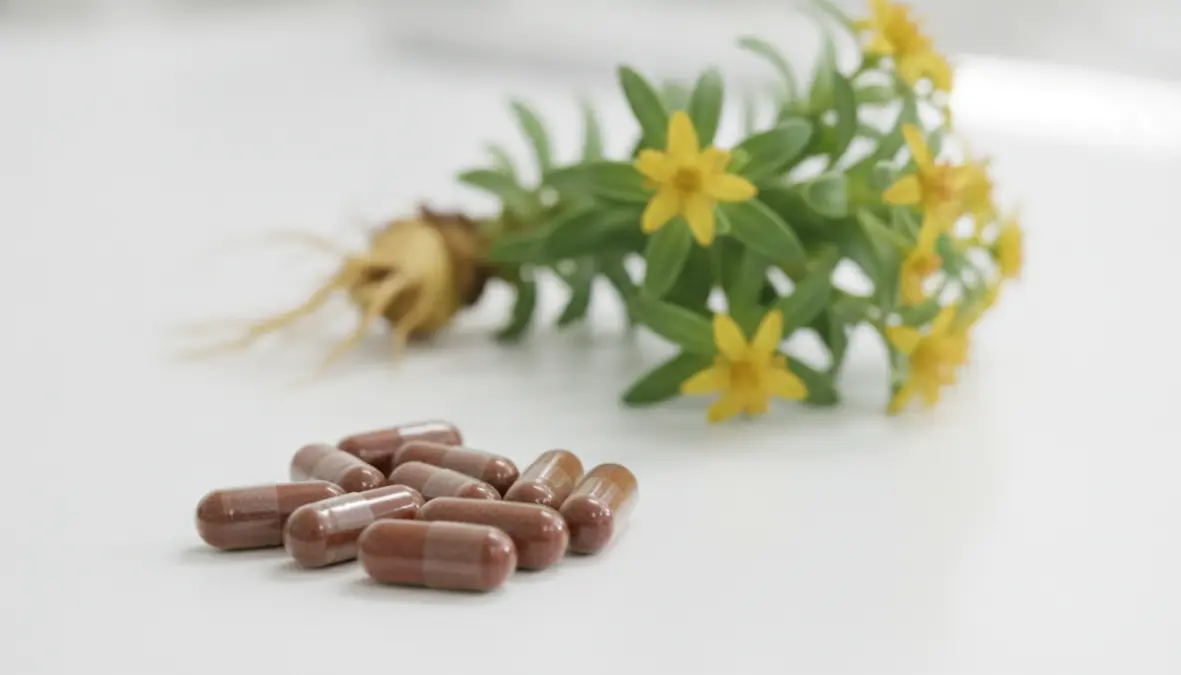
While performance enhancement gets most of the attention, rhodiola recovery athletes experience might be even more valuable in the long run. Hard training breaks your body down—that’s the point. But adaptation and improvement happen during recovery, and this is where rhodiola’s adaptogenic properties truly shine. As one of the most researched adaptogenic herbs, rhodiola helps modulate your body’s stress response, ensuring that the physiological stress from training doesn’t tip into overtraining territory. Among natural supplements for endurance athletes rhodiola stands out because it doesn’t just address one aspect of recovery—it tackles multiple recovery pathways simultaneously. From oxidative stress reduction (minimizing the cellular damage caused by intense exercise) to immune system support (keeping you healthy through heavy training blocks), rhodiola acts as a comprehensive recovery aid. This makes it an excellent complement to other recovery strategies like proper nutrition, including anti-inflammatory foods, and optimized sleep quality.
Lowering Cortisol and Supporting Muscle Repair
One of rhodiola’s most important functions for serious athletes is cortisol regulation. Cortisol, often called the “stress hormone,” is necessary for survival and even plays positive roles in metabolism and inflammation control. However, chronically elevated cortisol from intense training can suppress immune function, interfere with muscle protein synthesis, disrupt sleep quality, and even lead to overtraining syndrome. Rhodiola helps normalize cortisol secretion patterns, preventing the excessive spikes that occur during hard training while maintaining the hormone’s beneficial functions. Studies show that athletes taking rhodiola experience lower cortisol responses to strenuous exercise compared to placebo groups, which translates to better muscle repair, reduced inflammation, and improved overall recovery. For exercise performance enhancement and recovery, the best rhodiola dosage for endurance athletes typically ranges from 200-600mg daily, standardized to contain 3% rosavins and 1% salidroside. Regarding when to take rhodiola for athletic performance, most experts recommend splitting the dose: taking one portion 30-60 minutes before morning training (to support performance and manage training stress) and another dose post-workout or in the early afternoon (to support recovery and prevent evening cortisol interference with sleep). Combining rhodiola supplementation with foundational practices like core strength training creates a well-rounded approach to athletic development.

Frequently Asked Questions
How much rhodiola should athletes take? Most research on rhodiola sports performance uses doses between 200-600mg daily of standardized extract (3% rosavins, 1% salidroside). Beginners should start with 200mg and gradually increase. It’s best to split the dose throughout the day rather than taking it all at once.
When is the best time to take rhodiola for performance? For optimal results, take rhodiola 30-60 minutes before training to enhance performance and reduce fatigue. A second dose can be taken post-workout or early afternoon to support recovery. Avoid taking it late in the day as it may interfere with sleep in some individuals.
Does rhodiola help with exercise recovery? Absolutely. Rhodiola reduces exercise-induced oxidative stress, helps regulate cortisol levels, supports immune function, and may reduce muscle damage markers. These effects combine to accelerate recovery between training sessions.
Are there any side effects for athletes? Rhodiola is generally well-tolerated. Some athletes report mild jitteriness or difficulty sleeping if taken too late in the day. Start with lower doses to assess tolerance. Those with bipolar disorder should consult a healthcare provider before use.
How long does it take to see results? Some athletes notice acute benefits (reduced perceived exertion, better focus) within days, but the full adaptogenic effects typically develop over 2-4 weeks of consistent use. For best results, cycle rhodiola: 8-12 weeks on, 2-4 weeks off.
Rhodiola vs other adaptogens for athletes? While ashwagandha excels for strength athletes and recovery, and cordyceps targets oxygen utilization, rhodiola offers the most comprehensive benefits for endurance athletes—combining fatigue resistance, mental clarity, and stress management in one supplement.
Whether you’re chasing a new PR, training for your first ultra-marathon, or simply looking to recover faster and train more consistently, rhodiola rosea deserves a place in your performance toolkit. As with any supplement, combine it with solid fundamentals—consistent training, proper nutrition, adequate sleep, and smart recovery practices. Support your mental game with mental training techniques, and consider tracking your progress with quality fitness trackers to objectively measure improvements. The ancient wisdom behind this golden root is now backed by modern science, and endurance athletes worldwide are reaping the benefits of this powerful adaptogen.