Sports Massage for Cyclists: Benefits, Techniques, and When to Schedule Your Session
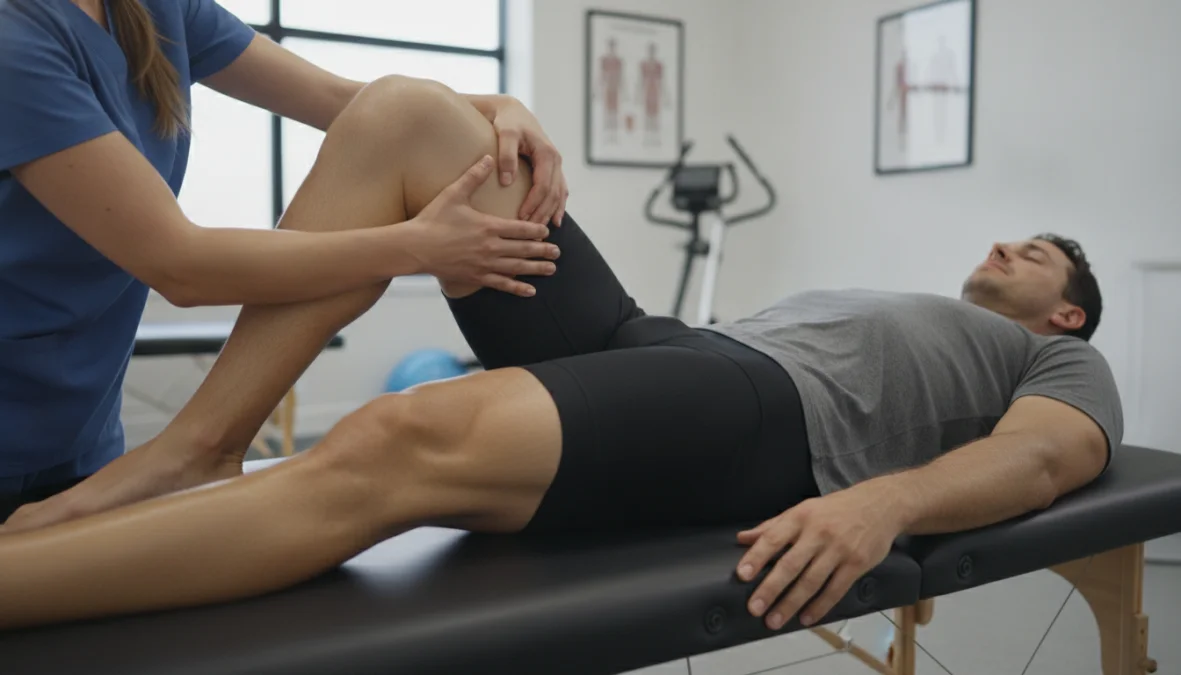
If you’ve ever finished a long ride with legs that feel like concrete or hips so tight you can barely walk normally, you already know cycling takes a serious toll on your body. The repetitive pedaling motion, hunched-over position, and constant muscle engagement create unique physical demands that regular rest alone can’t fully address. That’s where sports massage for cyclists becomes a game-changer—not just a luxury, but a strategic tool for better performance, faster recovery, and staying injury-free mile after mile.
Why Sports Massage Matters for Cyclists
Cycling might look smooth and effortless from the outside, but your body tells a different story. Hours in the saddle create repetitive stress patterns that overload specific muscle groups—especially your quads, hamstrings, glutes, and hip flexors—while your fixed position compresses nerves and restricts blood flow. Unlike running or team sports with varied movements, cycling locks you into the same biomechanical pattern for extended periods, which means tension accumulates fast and recovery takes longer.
This is precisely where sports massage benefits cyclists in ways that passive recovery simply can’t match. A targeted cycling recovery massage actively breaks down adhesions in overworked muscle fibers, flushes out metabolic waste products like lactic acid, and restores normal tissue flexibility. The primary benefits include significantly reduced muscle tension and soreness, improved range of motion (especially in those chronically tight hip flexors), enhanced circulation that speeds nutrient delivery to damaged tissues, and most importantly, injury prevention by identifying and addressing problem areas before they become serious issues.
Research consistently shows that regular massage reduces inflammation markers, decreases delayed onset muscle soreness (DOMS), and helps maintain the tissue quality necessary for consistent training. For cyclists working on structured training programs, massage becomes an essential recovery modality that allows you to train harder and more consistently without breaking down.
Proven Massage Techniques That Work Best for Cyclists
Not all massage approaches work equally well for cycling-specific demands. The best massage for cyclists combines multiple evidence-based techniques targeted at your most vulnerable areas. Understanding these massage techniques for cyclists helps you communicate effectively with your therapist and maximize session benefits.
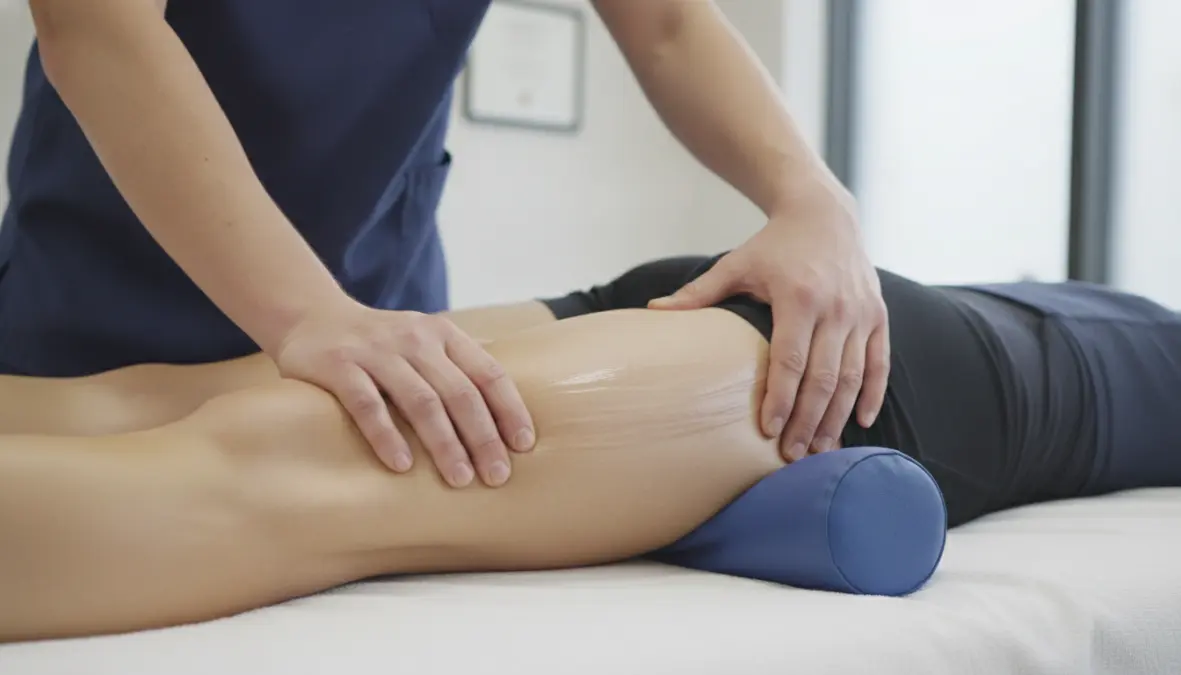
Deep tissue massage forms the foundation of effective cycling massage therapy. This technique uses slow, deliberate strokes with significant pressure to reach the deeper layers of muscle tissue—exactly where cyclists accumulate the most tension. For your quadriceps (the powerhouse muscles that fire with every pedal stroke), deep tissue work breaks down the dense knots that develop from repetitive contraction. Your calves, which stabilize your ankles through thousands of revolutions, also respond exceptionally well to this approach. Expect some discomfort during treatment, but the mobility gains are worth it.
Trigger point therapy targets those specific spots that feel like painful knots when pressed—often found in your glutes, hip flexors, and around your IT band. These trigger points refer pain to other areas and limit your power output. A skilled therapist applies sustained pressure to these points until the muscle releases, which can dramatically improve your pedaling efficiency and reduce referred pain patterns that might be affecting your knee health.
Myofascial release addresses the connective tissue (fascia) that wraps your muscles. For cyclists, the IT band—that notorious strip of fascia running down your outer thigh—becomes chronically tight and restricted. Myofascial release uses sustained pressure and stretching to restore fascial mobility, which is crucial for preventing IT band syndrome and improving hip and knee mechanics. This technique also works wonders on your thoracolumbar fascia (lower back area) that takes constant strain from your riding position.
Swedish massage techniques play an important role in general recovery sessions, using lighter pressure with long, flowing strokes that promote circulation and relaxation. This approach works best for active recovery days or as a complement to harder techniques. Finally, assisted stretching during your massage session helps restore range of motion in chronically shortened muscles like hip flexors and hamstrings, which directly translates to better positioning on the bike and more efficient power transfer.
Timing Your Massage: Pre-Ride, Post-Ride, and Recovery Phases
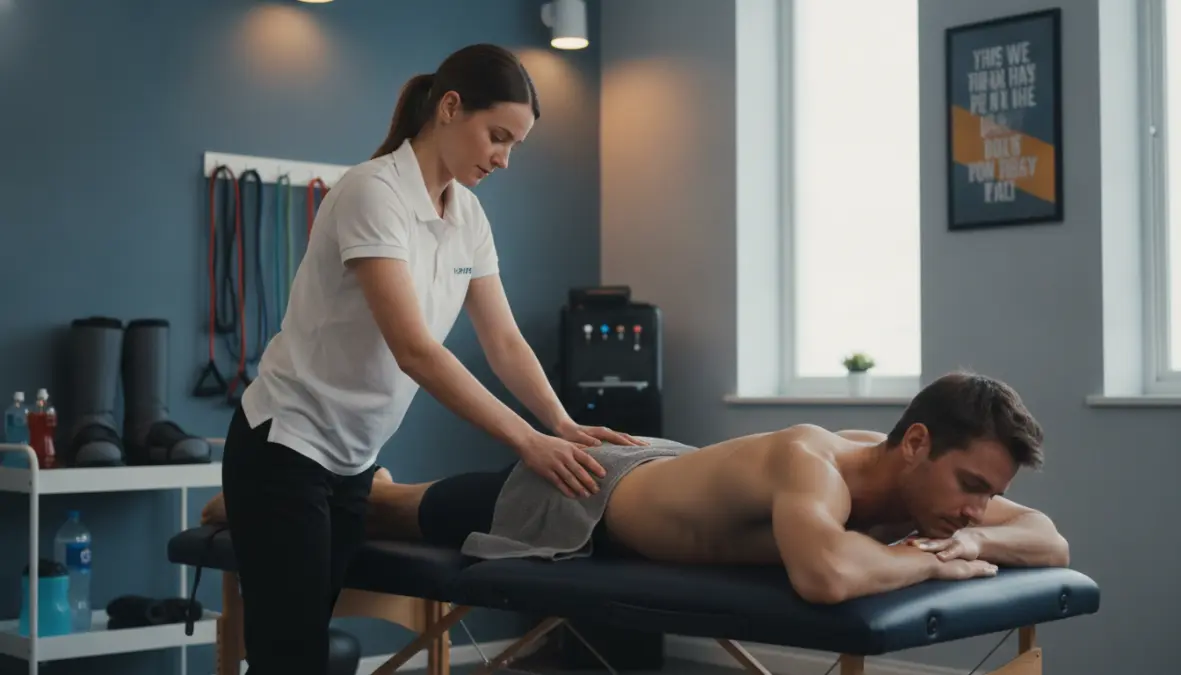
Understanding when to get sports massage for cycling matters as much as the technique itself. Strategic timing maximizes benefits and prevents potential setbacks. Many cyclists wonder about sports massage before or after cycling—the answer is both, but with very different approaches.
Pre-ride massage should be light and activating, scheduled 24-48 hours before major events or hard training sessions. The goal isn’t deep tissue work (which would leave you sore), but rather gentle techniques that increase blood flow, enhance muscle pliability, and prime your nervous system. Think 30-45 minutes of Swedish-style massage with dynamic stretching. This approach supports your preparation without compromising the power output needed for performance, similar to how proper strength training prepares your muscles.
Immediate post-ride massage works best within 2 hours of finishing. Keep it relatively light—focus on flushing out metabolic waste products rather than aggressive tissue work. A 20-30 minute session using gentle compression and Swedish techniques helps your body transition into recovery mode more effectively. This is especially valuable after hard efforts like intense climbing sessions or races.
Deep recovery massage delivers the most therapeutic benefit when scheduled 24-72 hours after hard rides. During this window, your muscles have cleared initial inflammation but still carry accumulated tension and restrictions. This is when you schedule your 60-90 minute sessions with deep tissue work, trigger point therapy, and myofascial release. Your therapist can work intensively without interfering with immediate recovery or upcoming training.
Maintenance sessions during regular training phases work best on a weekly or bi-weekly schedule, depending on your training volume and how your body responds. Monitor your performance metrics and subjective recovery to find your optimal frequency. Adjust intensity based on your training cycle—lighter during taper phases, more aggressive during base-building periods.
FAQ: Common Questions About Sports Massage for Cyclists
How often should cyclists get sports massage? Most serious cyclists benefit from sessions every 1-2 weeks during heavy training blocks, with weekly sessions ideal if you’re riding 10+ hours or doing high-intensity work. During recovery weeks or off-season, every 2-3 weeks maintains tissue quality without breaking the bank.
Is sports massage painful? Deep tissue and trigger point work involves discomfort—often described as “good pain”—but shouldn’t be unbearable. Communicate constantly with your therapist. Some tenderness for 24-48 hours post-massage is normal, similar to post-workout soreness.
Can massage improve cycling performance? Absolutely. By maintaining optimal muscle length, reducing chronic tension, and improving recovery between sessions, massage allows you to train more consistently at higher intensities. Combined with proper recovery nutrition, it’s a performance multiplier.
Should I get a massage before or after a race? Light, activating massage 24-48 hours before is beneficial. Avoid deep work within a week of major events. Schedule your recovery massage 24-72 hours after racing for optimal results.
What’s the difference between sports massage and regular massage for cyclists? Sports massage therapists understand cycling biomechanics, know which muscles take the most stress, and use techniques specifically designed for athletic recovery rather than pure relaxation. They work deeper and more purposefully on problem areas specific to your sport.
Whether you’re training for your first century or fine-tuning for competitive events, integrating strategic sports massage into your routine isn’t optional—it’s essential maintenance for your most important piece of equipment: your body. Find a qualified sports massage therapist who understands cycling demands, communicate your training schedule clearly, and watch how consistent bodywork transforms not just your recovery, but your overall performance on the bike.