Cycling Chain Lube Guide: How to Choose Between Wet, Dry, and Wax Lubricants
Your bike chain is the hardest-working component on your ride, spinning thousands of times every hour while battling dirt, water, and friction. Yet most cyclists treat chain lubrication as an afterthought—grabbing whatever’s on sale at the bike shop. The reality? The difference between wet chain lube, dry chain lube, and wax chain lubricant can mean the gap between a smooth, efficient drivetrain and a squeaky, worn-out mess. This cycling chain lube guide breaks down exactly how to choose and apply the right lubricant for your riding conditions, helping you maximize chain longevity while keeping your drivetrain maintenance simple and effective.
Understanding the Three Types of Bike Chain Lubricants
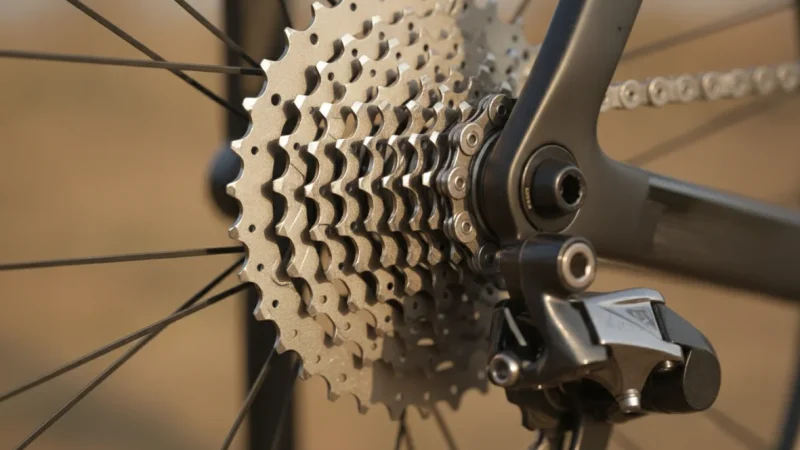
When it comes to bike chain lubrication, not all products are created equal. The three main categories—wet, dry, and wax lubricants—each evolved to solve specific problems faced by cyclists in different environments. Wet lubes, developed first in the early days of cycling, use petroleum-based oils mixed with additives that resist water displacement. Dry lubes emerged later as a solution for dusty conditions, using lighter solvents that evaporate after application, leaving behind a waxy film. Wax-based lubricants, the newest evolution in bicycle chain care, either come as drip-on formulas or require immersing your chain in melted paraffin wax.
Why does this matter for your riding? The right lubricant directly impacts three critical factors: friction reduction (which affects your speed and energy output), chain wear prevention (determining how long your drivetrain lasts), and cleaning frequency (how much time you spend maintaining your bike). A chain running optimal lubrication can last 3,000-5,000 miles, while a poorly lubricated chain might need replacement at 1,500 miles. Beyond longevity, proper lubrication ensures smooth shifting and can save you several watts of power—something competitive riders care about as much as their power meter data. Understanding the fundamental differences between these lubricant types helps you make informed decisions rather than relying on marketing hype.
Wet vs Dry vs Wax Chain Lube: Performance Breakdown
The difference between wet and dry chain lube goes far beyond the name—it’s about matching lubricant chemistry to riding conditions. Let’s break down each type so you can answer the question: wet vs dry chain lube for cycling—which is right for you?
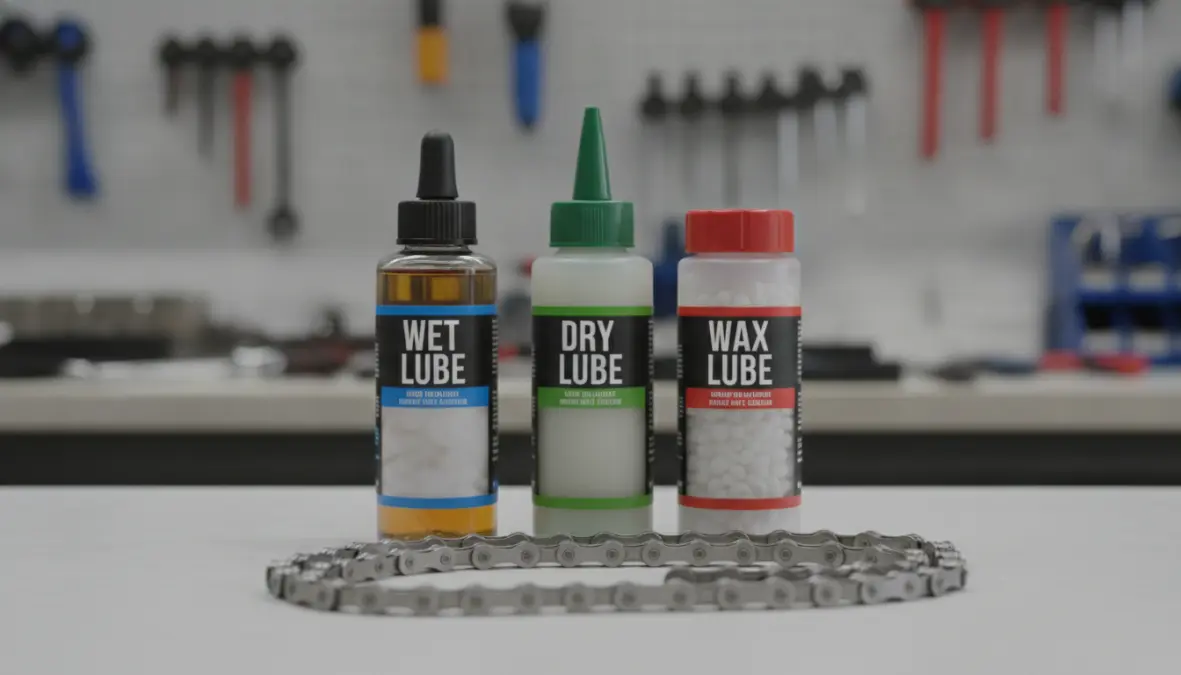
Wet Chain Lube: Best for Rain and Muddy Conditions
Wet chain lube is the workhorse for challenging weather conditions cycling. These thick, oil-based lubricants contain water-resistant additives that stick to your chain even through rain, puddles, and stream crossings. The best chain lube for wet conditions creates a protective barrier that prevents rust and corrosion while maintaining consistent friction reduction regardless of precipitation.
The advantages are clear: wet lubes last significantly longer between applications (200-300 miles even in rain), provide excellent protection during winter riding and bikepacking adventures, and maintain performance when you’re grinding through muddy trails or commuting in downpours. If you’re planning multi-day cycling adventures, wet lube reduces the need to carry extra lubricant.
However, wet lubes have notable drawbacks. They’re magnets for dirt and grime, creating that familiar black paste on your chain that requires frequent degreasing. This means more intensive drivetrain maintenance sessions and potentially faster wear on cassettes and chainrings if you don’t stay on top of cleaning. Use wet lube when to use: consistent rain or wet conditions, winter riding, coastal areas with high humidity, or any situation where you’ll encounter water crossings.
Dry Chain Lube: Ideal for Dusty and Dry Climates
Dry chain lube takes the opposite approach, using lighter carriers (often Teflon-based) that evaporate after application, leaving a clean, waxy coating. This makes it the best chain lube for road cycling in dry conditions and the go-to choice for summer mountain biking.
The benefits of dry lube are immediately noticeable: your chain stays remarkably clean, dirt and dust don’t stick to the drivetrain, and there’s minimal black buildup on your components. For riders in arid climates or those doing spring training rides on dusty roads, dry lube keeps everything running smoothly without the mess. It’s also the preferred choice for indoor trainer sessions.
The tradeoff? Dry lube degrades quickly in wet conditions—a single rainy ride can wash it completely off your chain. You’ll need to reapply more frequently (every 75-150 miles in optimal conditions, immediately after any wet ride). When to use dry lube on bike chain: summer riding, desert or dry climates, clean paved roads, gravel riding in dry conditions, or anytime you want to minimize cleaning frequency while accepting more frequent lubrication.
Wax Chain Lubricant: The Clean Efficiency Option
Wax chain lubricant has gained cult status among performance-focused cyclists, and for good reason. The wax based chain lube benefits include the absolute cleanest drivetrain possible, lowest friction coefficients (saving measurable watts), and exceptional chain longevity when properly maintained. Some riders report chains lasting over 10,000 miles with hot wax immersion methods.
How to apply wax chain lubricant depends on the type: drip-on wax formulas apply like traditional lubes but require complete chain degreasing first, while hot wax immersion involves removing your chain, stripping all factory grease with a chain degreaser, then immersing it in melted paraffin wax heated to 200°F. The process is more involved but creates an incredibly durable, clean coating.
Wax lubes work best in dry to moderately humid conditions and require diligent reapplication after wet rides. They’re ideal for road cyclists who prioritize efficiency and cleanliness, though the initial setup requires more effort than traditional lubes.
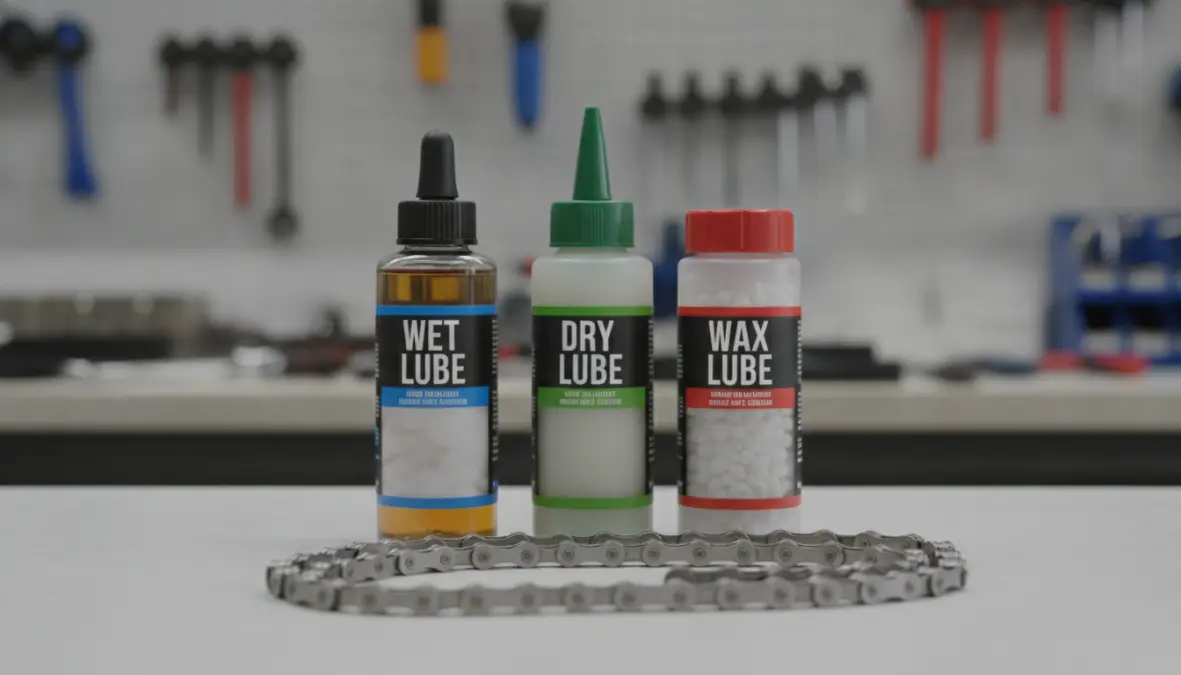
How to Choose the Right Chain Lube and Application Tips
Selecting the best cycling lube starts with honest assessment of your riding conditions and maintenance habits. Here’s your decision framework: Choose wet lube if you regularly ride in rain, live in humid climates, or prefer low-maintenance intervals between applications. Opt for dry lube if you ride primarily in dry, dusty conditions, want minimal cleaning, and don’t mind more frequent applications. Go with wax if you’re chasing maximum efficiency, ride mostly in dry weather, and enjoy the ritual of meticulous chain maintenance guide routines.
Your cycling discipline also matters. Road cyclists in moderate climates often prefer dry or wax lubes for their cleanliness and efficiency. Mountain bikers typically split between wet (for muddy, technical terrain) and dry (for dusty trails). Gravel riders might keep both types on hand, switching based on forecast conditions.
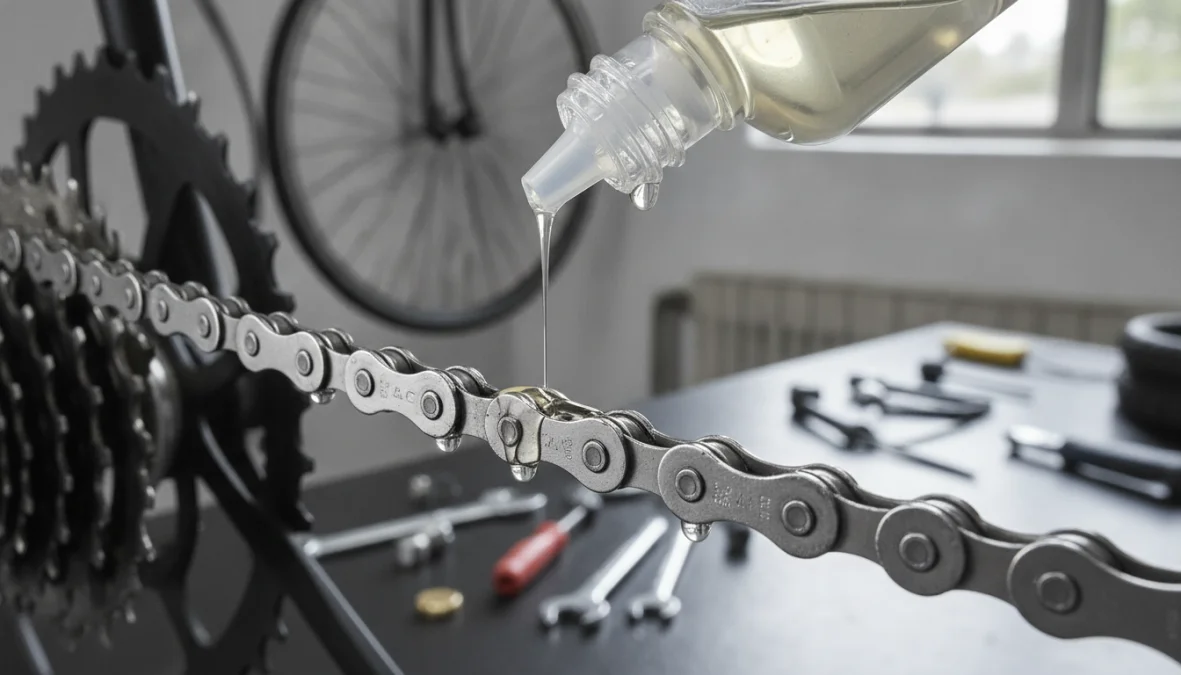
Proper application technique matters as much as lube selection. For detailed steps on cleaning bike chain before lubrication, check out our complete bike chain maintenance guide. The short version: always start with a clean, dry chain. Apply lubricant to the inside of the chain (where it contacts the cassette) while rotating the pedals backward. One drop per roller is plenty—more isn’t better. Let wet and dry lubes sit for 5-10 minutes, then wipe excess thoroughly with a clean rag. Wax lubes may need 2-4 hours to fully cure.
Lubrication frequency varies by type and conditions: wet lube every 200-300 miles (or after very wet rides), dry lube every 75-150 miles (immediately after rain), and wax every 100-200 miles depending on conditions. Visual and audio cues help too—if your chain looks dry or sounds squeaky, it’s time to lube regardless of mileage. Just as you wouldn’t skip proper nutrition on long rides, don’t neglect regular lubrication.
Common mistakes to avoid: over-lubricating (which attracts dirt and wastes product), applying lube to a dirty chain (which traps abrasive particles), and using the wrong type for conditions (dry lube in rain equals rapid chain wear). When transitioning between lube types, thoroughly degrease your chain first—mixing lubricant types reduces effectiveness of both.
Your chain is a relatively inexpensive component, but replacing cassettes and chainrings because of poor lubrication habits gets expensive fast. Invest 10 minutes every few rides in proper chain longevity maintenance, and your drivetrain will reward you with thousands of smooth, efficient miles. Whether you’re transitioning to outdoor riding after winter or preparing for your first century ride, a well-lubricated chain is one variable you can completely control. Choose wisely, apply correctly, and your bike will thank you with every pedal stroke.