Best Cycling Gilets and Vests: The Ultimate Guide to Layering for Variable Weather

There’s nothing quite like heading out for a ride only to find yourself either boiling hot ten minutes in or shivering uncontrollably on the descent. Sound familiar? If you’re serious about cycling year-round, a cycling gilet is the one piece of kit that’ll save you from those uncomfortable temperature swings. Unlike bulky jackets that trap heat or leave you struggling to stuff them in your jersey pocket, a quality bike gilet provides that perfect sweet spot of core warmth while letting your arms breathe. Whether you’re tackling early morning commutes, unpredictable spring rides, or fast-paced winter training sessions, the right cycling vest transforms your layering game completely.
Why Every Cyclist Needs a Quality Gilet
The humble cycling gilet might seem like an afterthought compared to flashy jerseys or high-tech jackets, but it’s arguably the most versatile piece in your cycling apparel arsenal. Its genius lies in simplicity: by protecting your core while leaving your arms free, a cycling vest maintains ideal temperature regulation without causing overheating during intense efforts.
In the classic layering system, the bike gilet functions as your adaptable outer layer. Start your ride on a chilly morning with a base layer, cycling jersey, and gilet combo. As temperatures rise and your heart rate climbs, simply unzip or remove the gilet entirely and stuff it in your rear pocket—try doing that with a full bike jacket! This core insulation strategy works because your torso houses vital organs that need consistent warmth, while your arms generate significant heat through pedaling motion.
When should you choose a gilet over a complete jacket? Generally, if temperatures are between 8-18°C (46-64°F) or you’re expecting variable conditions during your ride, a gilet offers superior versatility. For truly cold or wet weather below 8°C, you’ll want a full jacket. But for that in-between weather that defines spring and autumn cycling—or for those riders who run hot even in winter—the gilet reigns supreme. If you’re planning to transition from indoor to outdoor cycling after winter, a quality gilet becomes essential for adapting to fluctuating outdoor temperatures.
Types of Cycling Gilets: Finding Your Perfect Match
Not all cycling vests are created equal, and understanding the different categories helps you choose the right tool for your specific riding conditions and style.
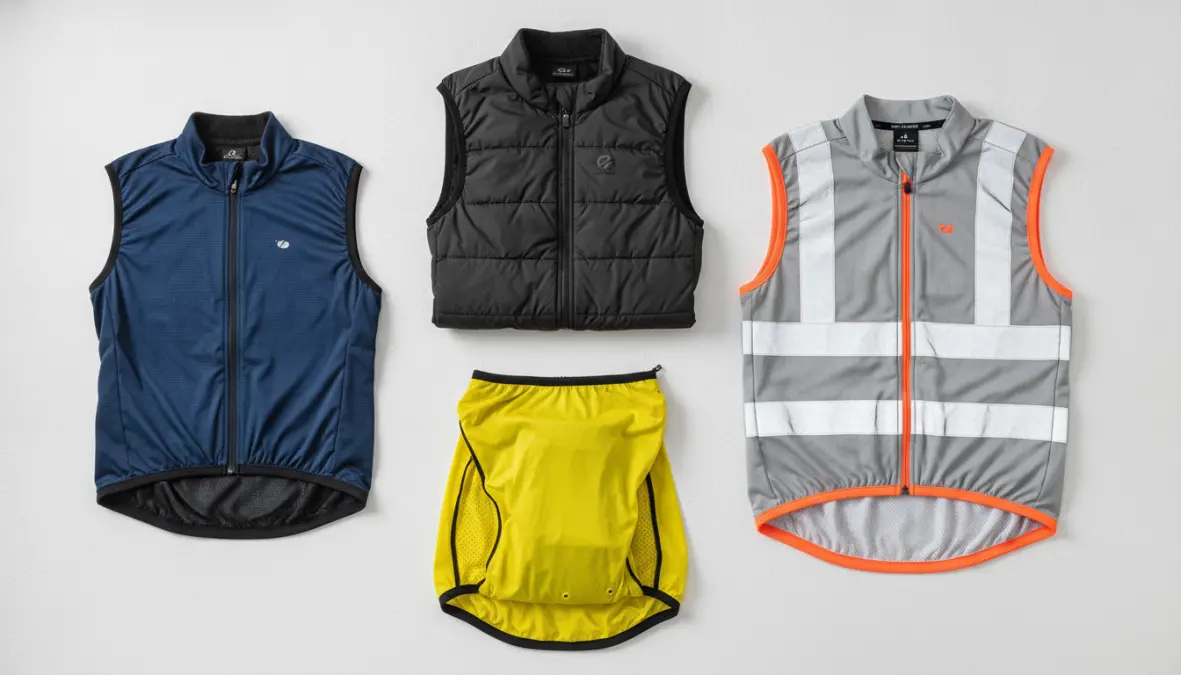
Windproof cycling gilets are the workhorses of spring and autumn riding. Constructed from tightly-woven fabrics or membrane materials, a windproof cycling gilet cuts through biting winds that can sap your core temperature on descents or exposed roads. These typically weigh between 80-150 grams and pack down to fist-size, making them perfect for unpredictable days. Expect to pay £40-80 for quality options. The best models balance wind protection with some breathability—look for strategically placed mesh panels on the back. While marketed as windproof cycling gilet for rain, remember that most offer only light water resistance for brief showers, not sustained downpours.
Insulated cycling vests take things up a notch for genuinely cold conditions. The best insulated cycling vest for cold weather features synthetic insulation (like Primaloft) or even down fill, providing serious warmth for winter rides below 5°C. These are bulkier—typically 150-250 grams—and less packable than windproof versions, but they’re game-changers for maintaining performance in frigid conditions. A quality winter cycling gilet with insulation runs £60-120 and often includes features like high collars, longer backs for coverage, and integration with thermal cycling wear underneath. During spring cycling training, these work brilliantly for early morning sessions.
Packable and ultralight gilets prioritize convenience above all else. Weighing as little as 50-80 grams, the best lightweight packable cycling vest can disappear into a jersey pocket and you’ll forget it’s there until you need it. These are perfect for riders who want insurance against unexpected weather changes or cooler-than-anticipated descents. They sacrifice some durability and warmth for portability, with prices ranging from £30-60. Many packable cycling gilets come with their own stuff sack attached.
Reflective and high-visibility options address the safety-conscious commuter or year-round rider. A reflective cycling vest incorporates retroreflective materials, bright colors, or even integrated LED elements to maximize visibility in low-light conditions. The best cycling gilet for commuting often combines windproof protection with 360-degree visibility features. These typically cost £35-70 and prove invaluable during darker months or early morning rides.
Material choices matter significantly across all categories. Softshell fabrics offer excellent wind resistance with more stretch and comfort, while hardshell options provide maximum protection but can feel stiffer. Merino wool blends appear in some premium gilets for natural temperature regulation and odor resistance. Most modern cycling vests use synthetic materials that wick moisture efficiently and dry quickly—essential when you’re wearing them as an outer layer cycling piece over a sweaty base layer.
Key Features to Look for When Buying a Cycling Vest
Beyond choosing the right type, several critical features separate exceptional cycling gilets from mediocre ones.
Fit and sizing demand careful attention. A properly fitted cycling vest should be close to your body without restricting movement or creating pressure points. Unlike casual vests, cycling-specific cuts feature longer backs to cover your lower spine when you’re in the riding position, elasticated hems to prevent riding up, and athletic cuts through the shoulders. When trying one on, simulate your riding position—if it pulls tight across your back or gaps at the sides, size up. Remember you’ll typically wear this over a jersey and possibly a base layer, so account for that bulk. Road cyclists generally prefer tighter fits for aerodynamic advantages, while gravel and mountain bikers might opt for slightly looser cuts for layering flexibility.
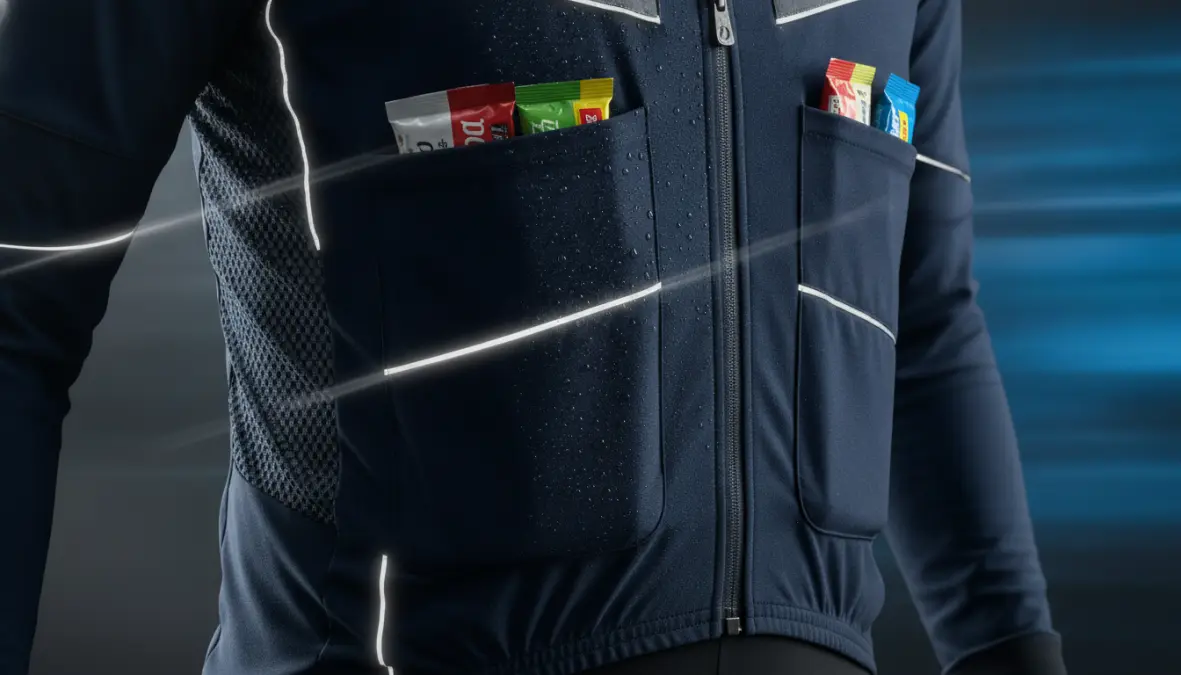
Ventilation prevents the dreaded sweat-trap scenario. Look for mesh panels on the back or sides of your windproof cycling gilet, especially if you tend to run hot or ride at high intensity. Full-length zippers offer maximum ventilation control—you can crack them open on climbs and zip up for descents. Some riders prefer half-zip designs for simplicity, but these limit your temperature regulation options.
A cycling gilet with pockets adds tremendous versatility, though not all include them. Rear pockets mirror those on cycling jerseys and provide accessible storage for nutrition, tools, or that extra layer you’ve removed. If your gilet lacks pockets, ensure it doesn’t block access to your jersey pockets underneath—cheaper designs sometimes do.
Visibility features shouldn’t be overlooked even if you’re not buying a dedicated reflective cycling vest. Retroreflective logos, piping, or panels dramatically improve your visibility to motorists during dawn, dusk, or overcast conditions. These cost nothing in terms of performance but could save your life.
The water resistance versus waterproof debate matters for your riding context. Most cycling gilets offer DWR (Durable Water Repellent) treatment that sheds light rain and road spray but won’t keep you dry in sustained precipitation. Fully waterproof gilets exist but sacrifice breathability—for serious rain, you’re better off with a proper rain jacket. For typical variable weather, water-resistant is the sweet spot.
Packability determines whether your packable cycling gilet actually gets used or stays at home. Test how small it compresses and whether it has attachment points or an integrated stuff sack. Will it fit in your jersey pocket comfortably? Some gilets are designed primarily to be worn, not packed, which is fine if that matches your usage pattern. Just like you might plan your nutrition strategy with carb cycling principles, plan your gear choices around your actual riding habits.
FAQ
What’s the difference between a cycling gilet and a vest?
Absolutely nothing—they’re two terms for the same sleeveless garment. “Gilet” is more common in UK and European cycling circles (borrowed from French), while “vest” is standard in American English. Both describe the same piece of cycling apparel designed to keep your core warm while leaving arms unrestricted.
When should I wear a cycling gilet?
Wear a cycling gilet when temperatures range between 8-18°C, during variable weather conditions, or any time you need easily removable weather protection. They’re perfect for early morning starts that warm up, windy days, or as an extra layer during long autumn and spring rides. Consider them essential transition pieces when moving between seasons.
Can I wear a gilet in winter?
Absolutely! A winter cycling gilet with insulation works brilliantly as part of a winter layering system, typically over a long-sleeve base layer and thermal jersey. For truly frigid conditions below freezing, you might pair an insulated gilet with arm warmers or eventually upgrade to a full winter jacket. Many cyclists prefer the layering flexibility that gilets provide even in winter, especially if you’re doing interval training or riding at varied intensities.
How should a cycling gilet fit?
A proper-fitting cycling vest should be snug but not restrictive, with a longer back to cover your lower spine in riding position. You should be able to move your arms freely and breathe comfortably. The hem should sit securely without riding up, and armholes shouldn’t gap excessively. Remember to test fit while wearing the layers you’ll actually ride in—typically a jersey and possibly a base layer underneath.
Are windproof gilets worth it?
For most cyclists, yes—a windproof cycling gilet delivers exceptional value. Wind chill significantly affects perceived temperature, and blocking wind from your core makes a massive difference in comfort without causing overheating like full jackets often do. Given their packability and versatility across three seasons, a quality windproof gilet easily becomes one of your most-used pieces of kit. They’re particularly valuable if you ride in exposed or hilly terrain where wind and temperature fluctuate significantly.
Whether you’re grinding through cadence training sessions on cool mornings or preparing your wardrobe to complement your summer cycling gear, investing in the right cycling gilet transforms your year-round riding comfort. Start with a versatile windproof option if you’re building your collection, then add specialized versions as your riding demands evolve. Your future self—warm, comfortable, and focused on performance rather than shivering—will thank you.