Cycling Jersey Pocket Guide: How to Pack and Access Your Essentials While Riding
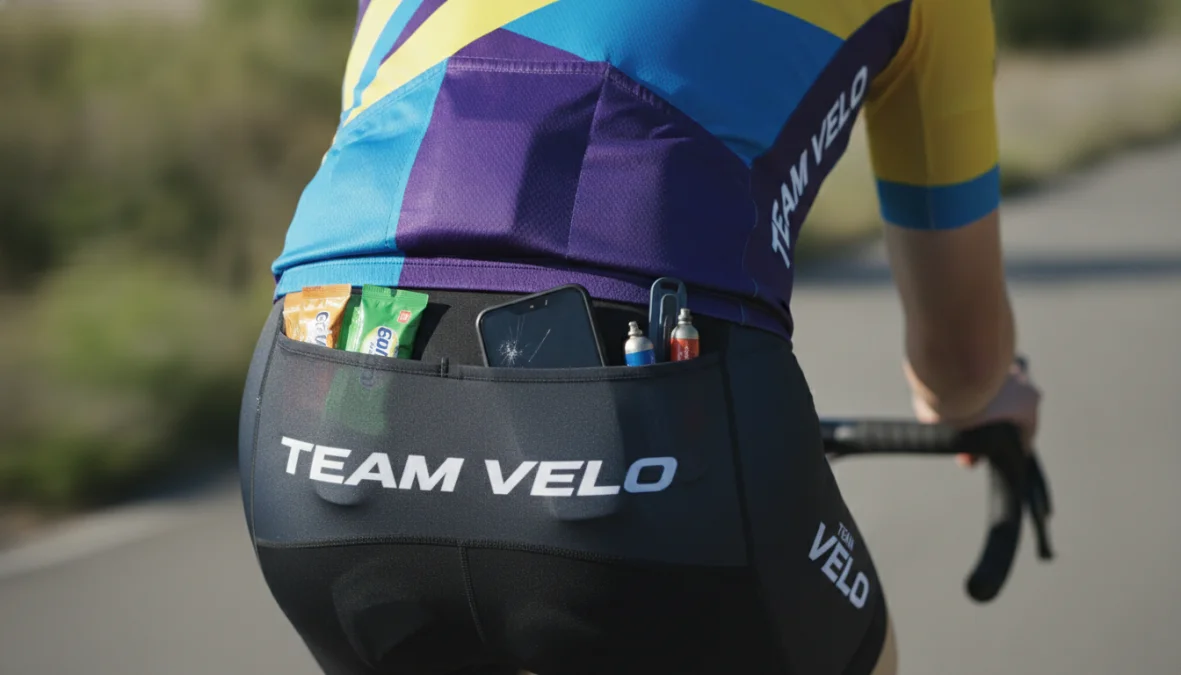
Ever wondered why that energy gel always seems to fall out at the worst possible moment, or why your phone keeps jabbing you in the back mid-ride? Welcome to the art of mastering cycling jersey pockets – those deceptively simple storage compartments that can make or break your ride experience. Whether you’re tackling a quick coffee run or embarking on a century, knowing how to pack and access your cycling essentials storage efficiently is a skill that separates seasoned riders from frustrated beginners.
Understanding Cycling Jersey Pocket Design and Placement
The standard cycling jersey comes equipped with three rear jersey pockets positioned across the lower back, with many modern designs adding a fourth zippered pocket for valuables. But have you ever wondered how many pockets does a cycling jersey have and why they’re placed there?
The jersey pocket placement on your back isn’t random – it’s brilliant engineering. When you’re in the riding position, leaning forward on the bike, these pockets sit horizontally, creating natural storage compartments that don’t interfere with your pedaling motion or create wind resistance. The weight rests on your lower back and hips, distributing the load where your body can handle it best.
Historically, cycling jerseys evolved from wool garments with minimal storage. As the sport professionalized, riders needed convenient access to food and basic tools during long races, leading to the three-pocket standard we see today. The rear pocket design has remained relatively consistent since the mid-20th century, though materials have evolved from saggy wool to elastic-edged technical fabrics that hold items securely.
Different cycling disciplines feature variations in pocket design. Road cycling jerseys typically have deeper, more structured pockets for long-distance cycling gear storage. Gravel jerseys often include reinforced pockets or additional side pockets for extra capacity on multi-hour adventures. Mountain bike jerseys may have fewer or smaller pockets since riders typically rely more on hydration packs and frame bags for their cycling essentials pockets.
What to Pack in Each Cycling Jersey Pocket: Strategic Organization
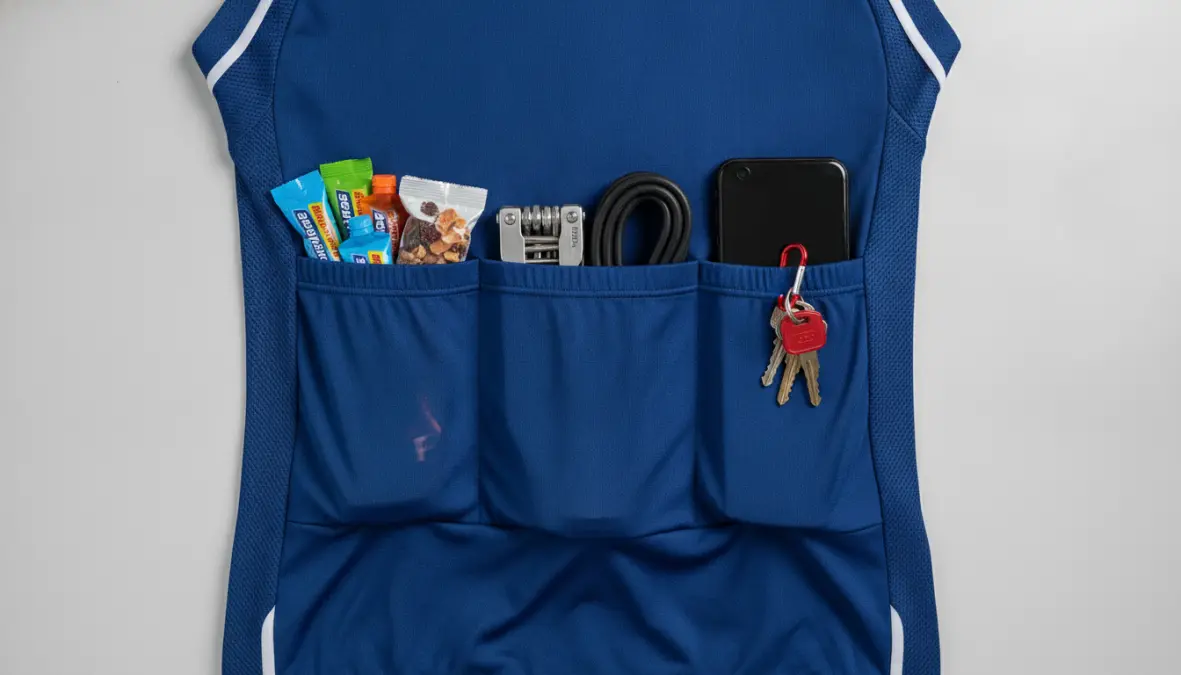
Knowing what to put in cycling jersey pockets is just the beginning – smart cycling pocket organization is about strategic placement. The golden rule? Balance your load and prioritize accessibility. A lopsided jersey pulls uncomfortably on one shoulder and throws off your riding position.
For most rides, your essential kit includes: phone, keys, ID/credit card, multi-tool, spare tube or tire plug kit, tire levers, CO2 cartridges or mini-pump, and nutrition (gels, bars, or real food). Longer rides demand more nutrition and possibly arm warmers or a lightweight jacket. Check out our comprehensive bike packing essentials guide for multi-day adventure planning.
The best way to organize cycling jersey pockets involves thinking about weight distribution and access frequency. Never stuff everything into one pocket – you’ll create an uncomfortable bulge and risk items bouncing out. Avoid carrying anything with sharp edges that could damage your jersey or poke your back, and skip glass containers entirely.
Left Pocket: Quick-Access Items
Your left pocket is your snack drawer. This is prime real estate for energy gel storage and frequently accessed nutrition. Most riders are right-handed, so they’ll reach across with their right hand to grab items from the left pocket while keeping their dominant hand on the bars for better control. This pocket should house energy gels, chews, bars, or wrapped snacks you’ll consume during the ride. Keep items here relatively lightweight and in waterproof wrappers. For more on fueling strategies, visit our cycling nutrition guide.
Center Pocket: Heavier and Less-Used Items
The center pocket is your workhorse for tool storage cycling. This is where you should place your heaviest items: spare tube, multi-tool, mini-pump, and tire levers. Keeping weight centered maintains balance and prevents the annoying side-to-side sway that happens when one pocket is significantly heavier than the others. The center pocket typically sits closest to your spine, providing the most stable position for bulkier items that you hopefully won’t need to access while riding.
Right Pocket: Moderate Items and Backup Nutrition
The right pocket balances your left pocket and typically holds items you need occasionally but not constantly. This is often the best spot for your phone (more on phone placement cycling in the FAQ), keys wrapped in a small cloth to prevent scratching, extra nutrition for later in the ride, or a lightweight gilet. Some riders prefer keeping their phone in a zippered pocket if available, but the right pocket provides easier access for mid-ride navigation checks.
How to Access Your Cycling Jersey Pockets Safely While Riding
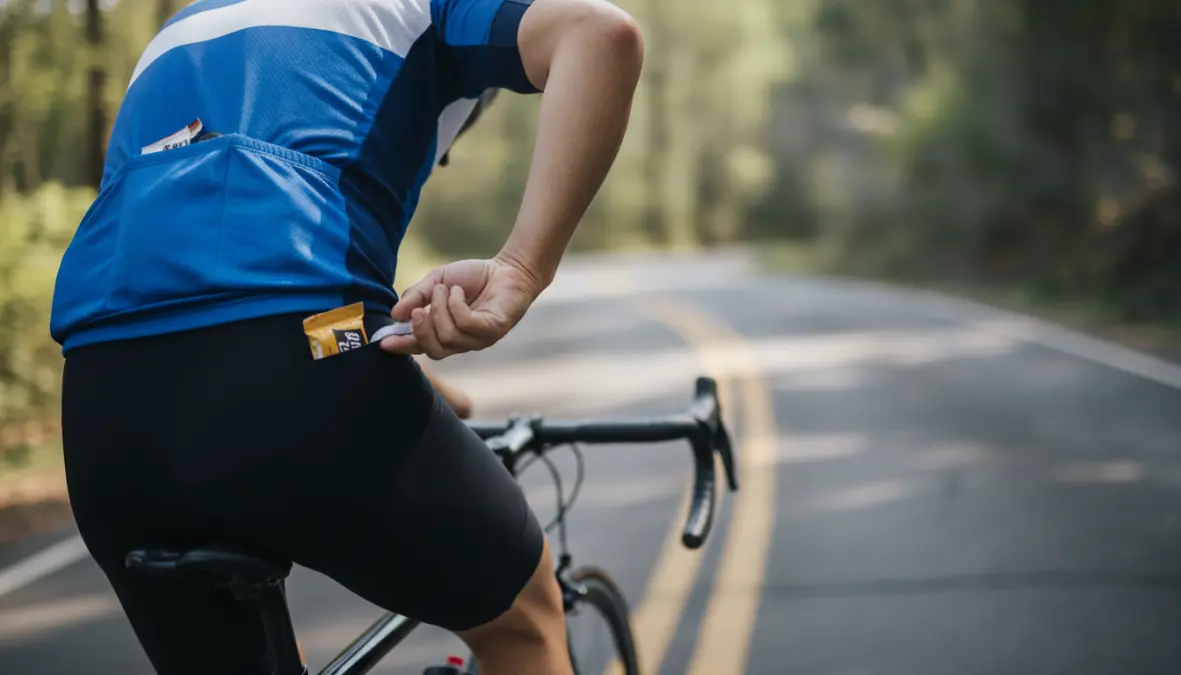
Learning how to access jersey pockets while riding safely is a crucial skill that comes with practice. The technique varies depending on which pocket you’re reaching for and what you’re doing at that moment on the bike.
For accessing the left pocket, use your right hand while keeping your left hand firmly on the bars (preferably on the hoods or tops). Sit up slightly from your aero position to create slack in the jersey material, making the pocket opening more accessible. The opposite applies for the right pocket – left hand reaches while right hand maintains control. For the center pocket, you can use either hand, but many riders find it easier to sit more upright and use their dominant hand.
During group rides, timing matters. Never reach for your pockets when riding close to others in a paceline – a wobble could cause a crash. Pull slightly to the side or back of the group first. On climbs, accessing pockets is actually easier because you’re typically sitting more upright and riding slower. However, on descents, never try to access your pockets. Keep both hands on the bars and wait for flatter terrain. Our descending techniques guide covers proper downhill safety protocols.
Common mistakes include trying to access pockets while out of the saddle (you’ll stretch the jersey and potentially rip it), overstuffing pockets so items get stuck, and failing to re-secure items properly, leading to littering. Beginners should practice reaching for pockets on quiet roads or bike paths before attempting it in traffic or group situations.
FAQ: Common Questions About Cycling Jersey Pockets
How many pockets does a cycling jersey have?
Most cycling jerseys feature three rear pockets arranged horizontally across the lower back, with many modern jerseys adding a fourth zippered pocket for valuables like keys, cash, or cards. Some specialized jerseys may have additional side pockets or integrated storage solutions.
Which pocket should I put my phone in?
The right rear pocket is generally best for phone storage, as it provides easy access without interfering with nutrition stored in the left pocket. If your jersey has a zippered pocket, use it for added security, especially on rough terrain. Some riders prefer keeping phones in the center pocket for better weight distribution. Always use a protective case or wrap your phone in a small cloth to prevent screen damage from tools or sweat.
Can I wash my cycling jersey with items in the pockets?
Always empty your pockets before washing! Forgotten items like energy gel packets can explode, creating a sticky mess, while hard items like multi-tools can damage the washing machine drum and tear the jersey’s delicate fabric. Make it a habit to empty pockets immediately after every ride.
How do I prevent items from bouncing out?
Choose jerseys with elasticized pocket openings or silicone grippers. Don’t overfill pockets – items should sit snugly without stretching the fabric excessively. Heavier items go in the center pocket, and always ensure items are pushed fully to the bottom. Some riders use small ziplock bags to keep multiple items together and add a slight grip factor. On particularly rough gravel or mountain bike rides, consider using saddle storage or frame bags instead.
What’s the weight limit for jersey pockets?
While there’s no official limit, a good rule of thumb is to keep the total weight across all pockets under 500-700 grams (roughly 1-1.5 pounds). Exceeding this creates excessive bouncing, stretches out the jersey fabric permanently, and creates an uncomfortable pull on your shoulders. For longer adventures requiring more gear, invest in proper saddle storage solutions or a small frame bag.
Do I need a jersey with a zippered pocket?
A zippered pocket isn’t essential, but it’s incredibly convenient for securing valuables you can’t afford to lose – keys, credit cards, ID, or cash. If you frequently ride in areas where you’ll need to lock your bike or stop at cafes, a zippered pocket provides peace of mind. It’s a feature worth prioritizing if you’re shopping for a new jersey, especially for gravel riding or touring.
Mastering your cycling jersey pockets transforms them from afterthought storage into a well-organized mobile command center for everything you need on the road. With proper packing strategy and safe access techniques, you’ll spend less time fumbling for that energy gel and more time enjoying the ride. Now get out there and put these tips into practice – your back pockets are ready for duty!