How to Choose the Right Cycling Shoes: Complete Guide to SPD, SPD-SL, and Road Cleats
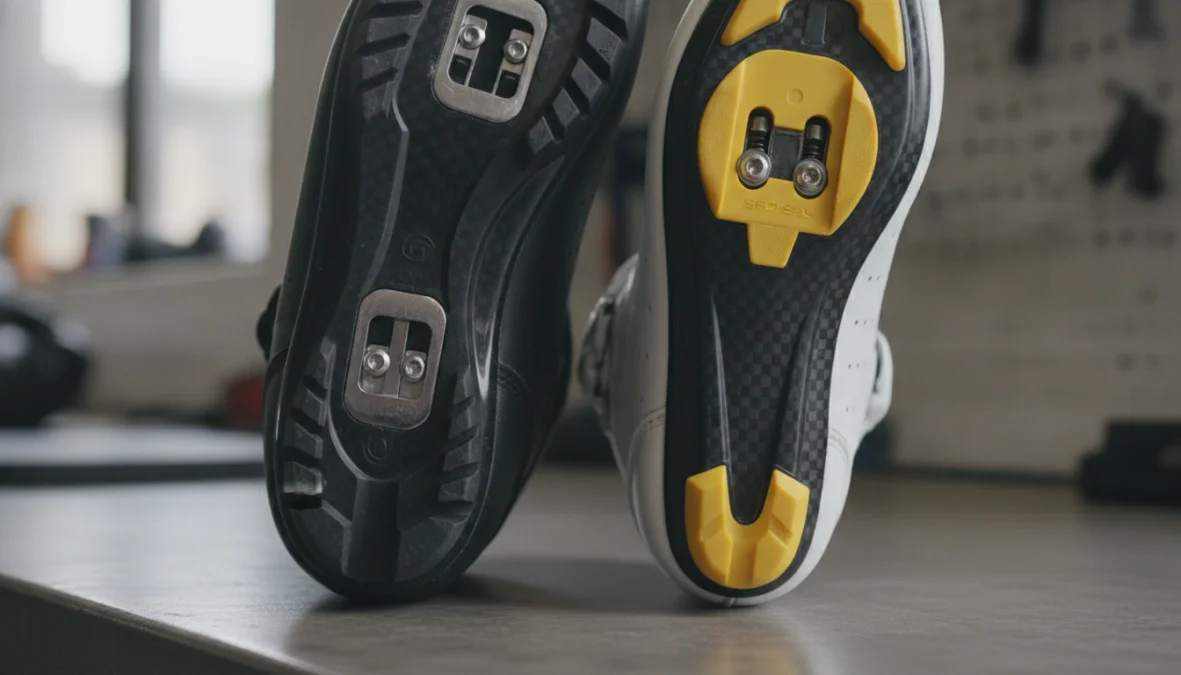
Ever felt like a penguin trying to walk in road cycling shoes? Or wondered why your riding buddy swears by their pedal system while you’re slipping around on flat pedals? Welcome to the wonderfully confusing world of cycling shoes and cleat systems. This cycling shoes guide will cut through the jargon and help you understand exactly what you need for your riding style—whether you’re commuting to work, crushing mountain trails, or chasing Strava KOMs on the road.
Understanding Clipless Pedal Systems and Cleat Types
Let’s start with the most confusing part: clipless pedals actually clip you in. The name comes from their replacement of old-school toe clips and straps, but yeah, it’s ironic. These pedal system comparison options mechanically attach your shoes to your pedals using cleats—small metal or plastic pieces bolted to your shoe soles that lock into matching pedals.
The cycling cleat types break down into two main camps: two-bolt systems and three-bolt systems. Two-bolt cleats (like SPD) are smaller, recessed into the shoe sole, and designed for walkability. Three-bolt systems (like SPD-SL and Look Keo) have larger platforms for maximum power transfer but turn you into Bambi on ice when you try to walk.
Why do serious cyclists use clipless pedals guide? The benefits are real: better power transfer through the entire pedal stroke, improved pedaling efficiency, more control over the bike, and consistent foot positioning. Competitive cyclists started adopting clipless systems in the late 1980s, and they’ve become standard equipment for anyone serious about cycling performance.
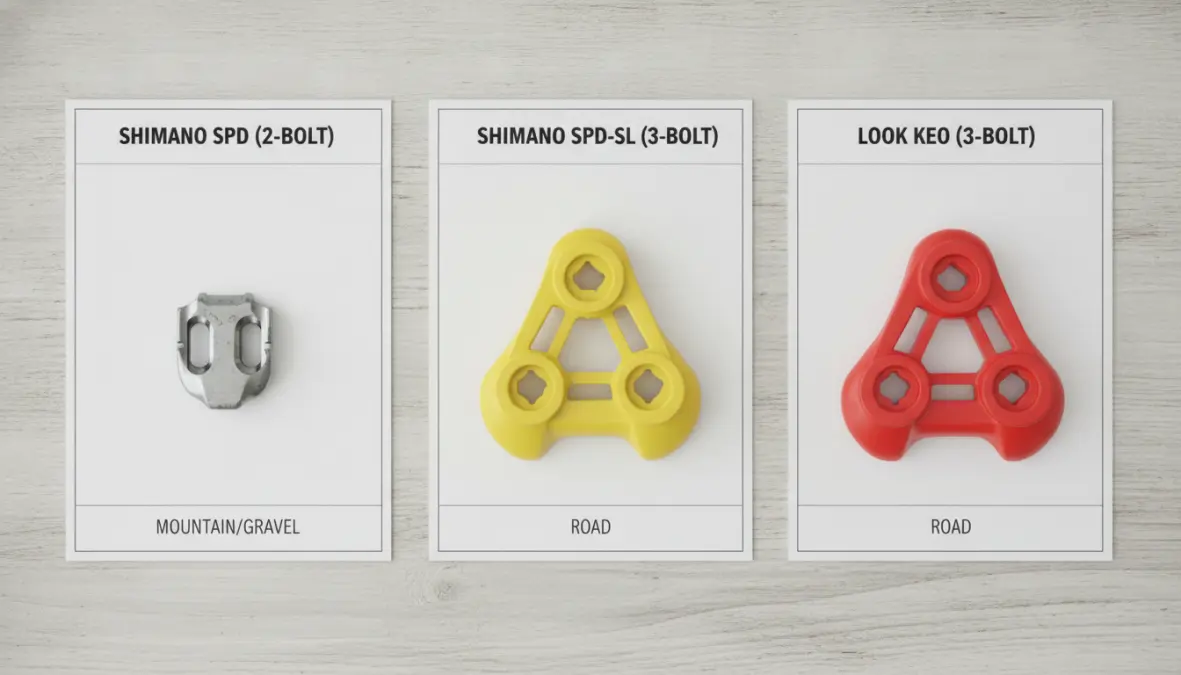
| System | Bolts | Best For | Walkability | Power Transfer |
|---|---|---|---|---|
| SPD (2-bolt) | 2 | MTB, Commuting, Gravel | Excellent | Good |
| SPD-SL (3-bolt) | 3 | Road Cycling | Poor | Excellent |
| Look Keo (3-bolt) | 3 | Road Racing | Poor | Excellent |
SPD vs SPD-SL vs Road Cleats: Which System Is Right for You?
The difference between SPD and SPD-SL cleats is like comparing hiking boots to racing flats—both get the job done, but for very different purposes. Let’s break down each system so you understand what cycling shoes do I need for your specific riding.
SPD (Shimano Pedaling Dynamics) for Mountain Biking and Commuting
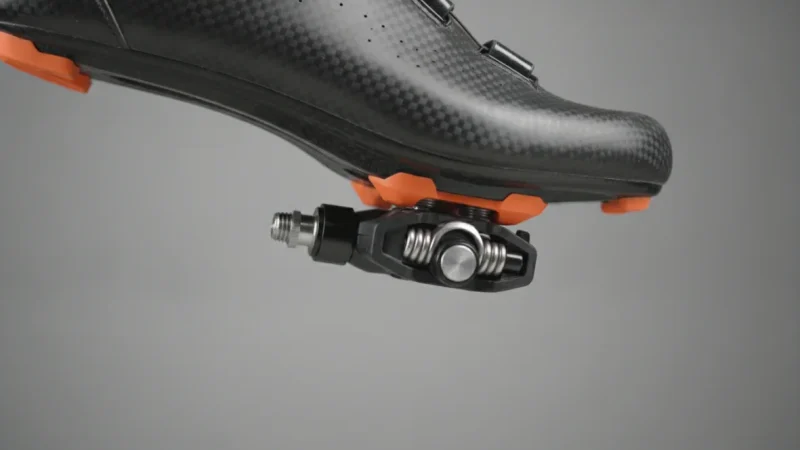
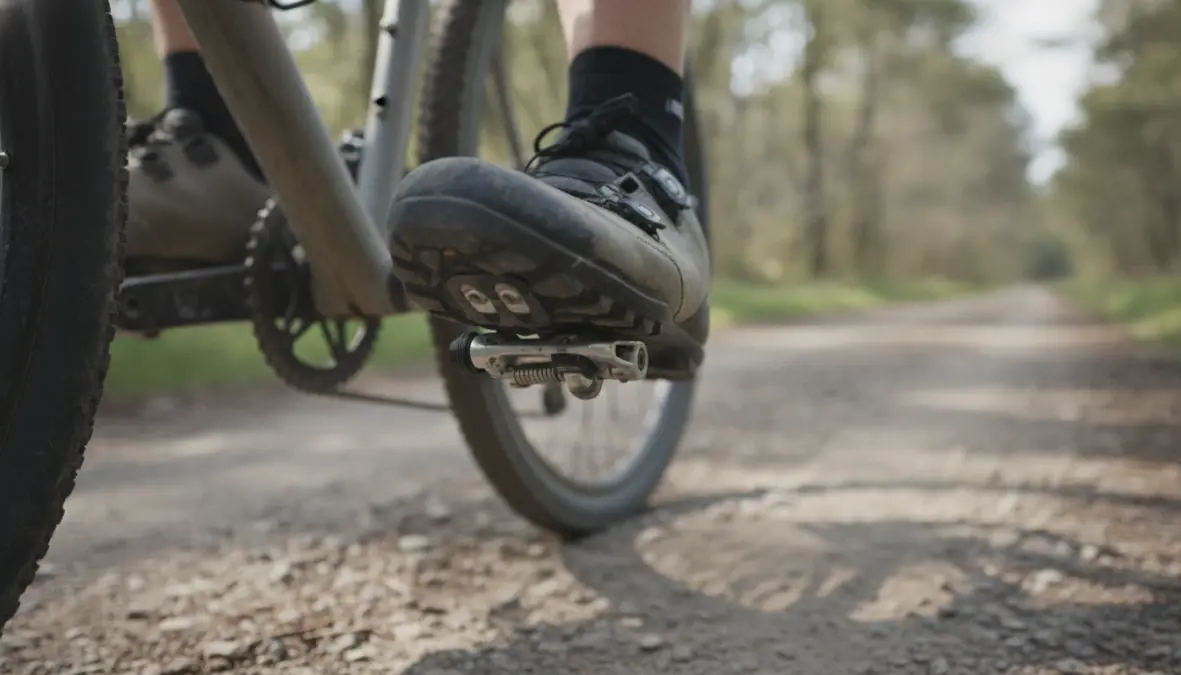
SPD pedals revolutionized mountain bike pedals when Shimano introduced them in 1990. These two-bolt system cleats are small, recessed into the shoe sole, and built for mud-shedding and walkability. The recessed cleats mean you can actually walk into a coffee shop without sounding like a tap dancer or destroying your cleats on pavement.
The smaller contact area provides adequate power transfer while offering multiple float adjustment options (typically 0°, 2°, or 4° of rotational movement). SPD works brilliantly for commuting, touring, gravel riding, cyclocross, and obviously mountain biking. Many riders appreciate the bike shoe compatibility with more casual-looking cycling shoes that don’t scream “cyclist.”
Pros: walkable, durable, mud-shedding, affordable, versatile. Cons: smaller platform means less efficient power transfer than three-bolt systems, not ideal for maximum performance riding. If you’re planning multi-day adventures, check out our guide on bike packing essentials where shoe choice really matters.
SPD-SL and 3-Bolt Road Systems for Performance Cycling
SPD-SL and other road cycling cleats like Look Keo or Shimano’s older SPD-R use a three-bolt system with much larger plastic cleats that bolt directly to a stiff sole. This larger platform dramatically improves power transfer and pedal engagement efficiency—critical when you’re hammering up climbs or sprinting for town signs.
The best cleats for road cycling prioritize stiffness and aerodynamics over comfort off the bike. Walking in these shoes feels awkward at best and dangerous at worst (those smooth cleats on tile floors are terrifyingly slippery). The SPD-SL vs Look Keo cleats debate mostly comes down to brand preference and minor differences in float options—both perform exceptionally well.
Pros: maximum power transfer, stable platform, excellent for racing and performance. Cons: nearly impossible to walk in, cleats wear quickly if you do walk, more expensive, cleat position is finicky but crucial. When you’re training for long rides, proper cleat setup prevents knee issues.
How to Choose the Best Cycling Shoes for Your Riding Style
Choosing the best cycling shoes means matching your equipment to your actual riding—not your aspirational riding. Here’s how to choose cycling shoes for beginners and experienced cyclists alike.
By Riding Style:
- Road racing/training: SPD-SL or Look Keo shoes with high stiffness index (8-10), carbon soles, and aerodynamic uppers
- Mountain biking: SPD-compatible shoes with aggressive tread, reinforced toe boxes, and moderate stiffness (5-7)
- Gravel/adventure: SPD shoes with good walkability but decent stiffness (6-8), weather resistance
- Commuting: SPD-compatible shoes that look relatively normal, easy on/off, recessed cleats
- Indoor training: Either system works, but SPD-SL if you’re also road cycling—consistency helps muscle memory when you transition from indoor to outdoor cycling
The stiffness index matters more than many realize. Carbon-soled race shoes maximize power but feel harsh; nylon or composite soles offer comfort for longer, less intense rides. Consider ventilation too—mesh uppers breathe wonderfully but offer zero weather protection.
Closure systems affect both fit and convenience: BOA dials provide micro-adjustability and on-the-fly tension changes; Velcro straps are simple, reliable, and affordable; laces offer customizable fit but aren’t quick to adjust mid-ride.
The cycling shoe cleat compatibility guide rule is simple: match your pedals first. Already have SPD-SL pedals? Buy three-bolt shoes. Starting fresh? Choose pedals based on your riding style, then buy compatible shoes. Most quality shoes range from $80-$150 for recreational riding; pro-level carbon shoes hit $300-$450. For optimal performance across your training, proper nutrition matters too—learn about carb cycling strategies to fuel your rides.
Fit is everything. Cycling shoes should feel snug without pressure points, with minimal heel lift when pedaling. Size up if between sizes—your feet swell during long rides. Always test shoes with the socks you’ll actually wear riding.
FAQ: Common Questions About Cycling Shoes and Pedal Systems
Can you use SPD cleats on SPD-SL pedals?
No, the two systems are completely incompatible. SPD uses a two-bolt cleat pattern while SPD-SL uses three bolts with a different spacing. The cleats won’t physically attach to the wrong pedal system. How to match shoes with pedals: check the bolt pattern on the shoe sole—two holes equals two-bolt cleats, three holes equals three-bolt systems.
Are clipless pedals worth it for beginners?
Are clipless pedals worth it? Absolutely, but start with SPD for easier walking and more forgiving engagement. Practice clipping in and out in a safe area (grass is forgiving when you inevitably forget to unclip at a stoplight). The learning curve is about 2-3 rides before it becomes second nature. The efficiency gains and improved bike control justify the initial awkwardness.
How much float do I need in my cleats?
Float adjustment allows your heel to rotate slightly while clipped in, reducing knee strain. Most riders benefit from 4-6 degrees of float, especially if you have any knee issues. Fixed cleats (0° float) offer maximum power transfer but require perfect cleat position and can cause knee problems. Start with more float and reduce if you want a more locked-in feel.
Can you convert SPD shoes to SPD-SL?
Not unless the shoe has both two-bolt and three-bolt mounting holes (some hybrid shoes do). Most shoes are designed for one system only. The cycling shoe cleat compatibility guide is straightforward: check your shoe’s sole for the bolt hole pattern before buying cleats or pedals.
What’s the difference between Look and Shimano road cleats?
Both use three-bolt road cycling cleats with similar performance. Look Keo offers 0°, 4.5°, and 9° float options with color-coded cleats (black, gray, red). SPD-SL provides 0°, 2°, and 6° float (yellow, blue, red). The platforms are slightly different shapes, but both deliver excellent power transfer. Choose based on which pedal system you prefer—they’re equally effective for performance cycling.
Choosing the right cycling shoes and pedal system transforms your riding experience. SPD for versatility and walkability, SPD-SL for road performance—now you know exactly what you need. Get the fit right, position those cleats carefully, and enjoy the connected feeling of efficient pedaling. Your knees (and your power output) will thank you.