
Fasted Training for Endurance Athletes: Science-Based Guide to Training on Empty

Ever wonder if skipping breakfast before your morning run could actually make you a better endurance athlete? The concept of fasted training endurance has gained serious traction among runners, cyclists, and triathletes looking to optimize their metabolic machinery. While the idea of training on empty stomach might sound counterintuitive—after all, doesn’t exercise require fuel?—the science behind this practice reveals some fascinating adaptations that could transform how your body uses energy during long-distance events.
What Is Fasted Training and How Does It Work for Endurance Athletes
When we talk about fasted training endurance protocols, we’re referring to exercise performed after an overnight fast of typically 8-12 hours—essentially your morning workout before breakfast. This endurance training without breakfast approach isn’t about calorie restriction; it’s a strategic metabolic intervention that forces your body to work differently.
Here’s what happens physiologically: after several hours without eating, your muscle glycogen stores remain relatively intact, but blood glucose and insulin levels drop significantly. This metabolic environment triggers a fundamental shift in substrate utilization—your body begins preferentially breaking down fatty acids for fuel instead of relying primarily on carbohydrates. This process, often called the metabolic switch, is central to understanding fasted cardio endurance benefits.
During a fasted state, your body increases production of ketone bodies from fat breakdown and upregulates enzymes responsible for fat oxidation. This differs dramatically from fed-state training, where readily available glucose from your pre-workout meal remains the primary energy source. Low carb availability training and glycogen depletion training are related concepts that exploit this same metabolic pathway, though they may involve different protocols like training after carbohydrate-restricted meals rather than complete fasting.
Endurance athletes find this approach particularly compelling because races—especially ultra-distance events—often outlast the body’s glycogen stores, making efficient fat oxidation a crucial performance factor. Learning to check out this approach to training can be mentally challenging, which is why mental preparation plays an important role in successfully implementing fasted protocols.
Science-Backed Benefits and Drawbacks of Fasted Endurance Training
Let’s cut through the hype and examine what research actually tells us about whether endurance athletes should train fasted. The benefits are real, but they come with important caveats.
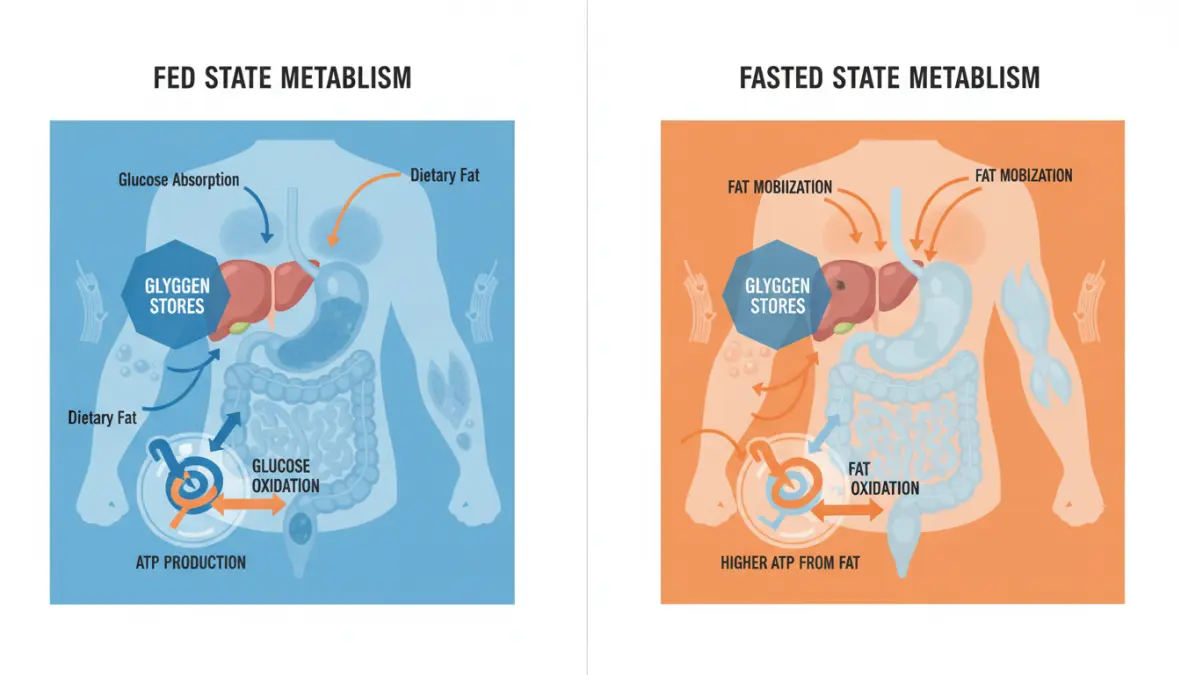
On the benefits side, the most well-documented advantage is enhanced fat oxidation rate. Studies consistently show that regular fasted cycling benefits include increased activity of fat-metabolizing enzymes and improved capacity to burn fat at higher intensities. For marathon runners specifically, the benefits of fasted training for marathon runners include better glycogen sparing—essentially teaching your body to preserve precious carbohydrate stores by becoming more metabolically flexible.
Fat adaptation endurance athletes experience can lead to improved mitochondrial efficiency—your cellular powerhouses become better at processing fat for energy. Research on fasted running performance shows increased mitochondrial biogenesis and enhanced aerobic capacity over time. Additionally, training in a low-insulin state improves insulin sensitivity, which has benefits extending beyond athletic performance into general metabolic health.
Some studies suggest that fasted training triggers greater activation of AMPK (an energy-sensing enzyme) and PGC-1α (a key regulator of mitochondrial development), creating deeper training adaptations than the same workout performed fed. For cyclists wondering about fasted cardio endurance protocols, research indicates improved economy—meaning you can maintain pace with lower oxygen consumption after adaptation.
Now for the reality check: fasted training isn’t magic, and it has genuine drawbacks. The most significant is reduced training intensity—you simply can’t hit the same high-end power outputs or speeds when running on fumes. For intervals and threshold work, this intensity reduction may compromise the primary training stimulus you’re trying to achieve. There’s also legitimate concern about muscle catabolism; without available carbohydrates, your body may break down muscle protein for glucose through gluconeogenesis, particularly during longer or harder sessions.
Fasted training vs fed training endurance performance studies show that while fasted training improves metabolic markers, it doesn’t necessarily translate to better race performance—and in some cases, chronically training fasted without adequate recovery can lead to overtraining, hormonal disruption, and immune suppression. This is where proper recovery strategies, including quality sleep and anti-inflammatory nutrition, become absolutely critical.
How to Implement Fasted Training Safely: Practical Protocol for Endurance Athletes
So, how to train fasted for endurance sports without sabotaging your performance or health? Here’s a practical, science-based protocol.

Start conservatively. Your first fasted session shouldn’t be a 90-minute tempo run. Begin with easy 30-40 minute sessions at conversational pace—true Zone 1-2 effort according to heart rate zones. The best fasted workouts for endurance athletes are low-intensity aerobic sessions that naturally emphasize fat oxidation anyway.
Timing matters. Early morning is ideal for training on empty stomach—wake up, drink water, and head out within 30 minutes. Hydration is non-negotiable; while you’re fasted from food, you need fluids and electrolytes. Black coffee is fine and may actually enhance fat oxidation. For detailed fluid strategies, check out this guide on hydration for endurance athletes.
As you adapt over 3-4 weeks, you can gradually extend duration up to 90-120 minutes for easy runs or rides. However, keep intensity low—this is glycogen depletion training, not race simulation. Can you do high-intensity work fasted? Technically yes, but it’s generally not recommended as the primary approach; save intervals and threshold work for fed-state sessions where you can actually hit target intensities.
Here’s a sample weekly schedule for a runner or cyclist: Monday—easy 45-min fasted run; Tuesday—fed-state interval session; Wednesday—easy 60-min fasted ride; Thursday—fed-state tempo run; Friday—rest or easy fed swim; Saturday—long run (fed, with nutrition); Sunday—easy 90-min fasted ride. This approach represents roughly 30-40% of weekly training volume in the fasted state—a sustainable ratio that promotes metabolic adaptation without compromising workout quality.
Post-workout nutrition is crucial. Within 30-60 minutes after your fasted session, consume a balanced meal with quality protein (20-30g) and carbohydrates to halt any muscle breakdown and replenish muscle glycogen. This isn’t the time for continued fasting—you’ve achieved the metabolic stimulus, now support recovery.
Warning signs to stop: dizziness, extreme fatigue, inability to maintain even easy pace, mental fog, or feeling worse with each fasted session rather than better. These indicate you’re not recovering adequately, and fasted training may not suit your current fitness level or overall training load. When balancing this with other training modalities, consider how it fits into your broader program, similar to managing concurrent training protocols.
FAQ: Common Questions About Fasted Endurance Training
How long should fasted cardio be for endurance athletes?
Start with 30-40 minutes and gradually build to 90-120 minutes maximum for easy-paced sessions. Longer durations increase muscle breakdown risk without additional metabolic benefit. Keep intensity low (Zone 1-2) to maximize fat oxidation while preserving muscle tissue and ensuring sustainable adaptation.
Can you do high-intensity training fasted?
While possible, it’s generally not recommended as your primary approach. Fasted states limit glycogen availability, reducing your ability to hit target intensities during intervals or threshold work. This compromises the specific training stimulus. Save high-intensity sessions for fed states when you can perform optimally.
Will fasted training improve race performance?
Fasted training improves metabolic flexibility and fat oxidation, which can enhance endurance capacity, particularly in ultra-distance events. However, race-day performance also depends on fueling strategy, pacing, and mental preparation. Fasted training is one tool among many, not a standalone performance guarantee.
Should I do all my training fasted?
Absolutely not. Aim for 30-40% of weekly volume maximum in the fasted state, focusing on easy aerobic sessions. Quality high-intensity work requires adequate fuel to achieve proper training stimulus. Chronic fasted training can lead to overtraining, hormonal issues, and compromised immune function.
What should I eat after fasted endurance training?
Consume a balanced meal within 30-60 minutes containing 20-30g quality protein and adequate carbohydrates to replenish glycogen and stop muscle breakdown. Good options include eggs with oatmeal, Greek yogurt with fruit and granola, or a recovery smoothie with protein powder and banana.
The strategic use of fasted training endurance protocols offers genuine metabolic advantages for endurance athletes willing to implement them thoughtfully. The key is treating fasted sessions as a specific training tool—valuable when used appropriately, but problematic when overused. Like altitude training, fasted workouts create a specific stress that, when combined with proper recovery and periodization, can elevate your performance. Start conservatively, listen to your body, track your progress with tools like fitness trackers, and remember that individual responses vary—what works brilliantly for one athlete may not suit another.