Collagen for Athletes: Science-Backed Benefits for Joint Health and Recovery

Your joints click. Your knees ache after long runs. That nagging shoulder pain from overhead pressing just won’t quit. Sound familiar? If you’re pushing your body hard in training, you’ve probably noticed that your connective tissues take a beating. While most athletes obsess over protein shakes and BCAAs, there’s one supplement quietly gaining serious traction in the performance world: collagen for athletes. But is it just another supplement fad, or does the science actually back it up? Let’s dig into what collagen can—and can’t—do for your athletic performance, recovery, and long-term joint health.
Why Collagen Matters for Athletic Performance
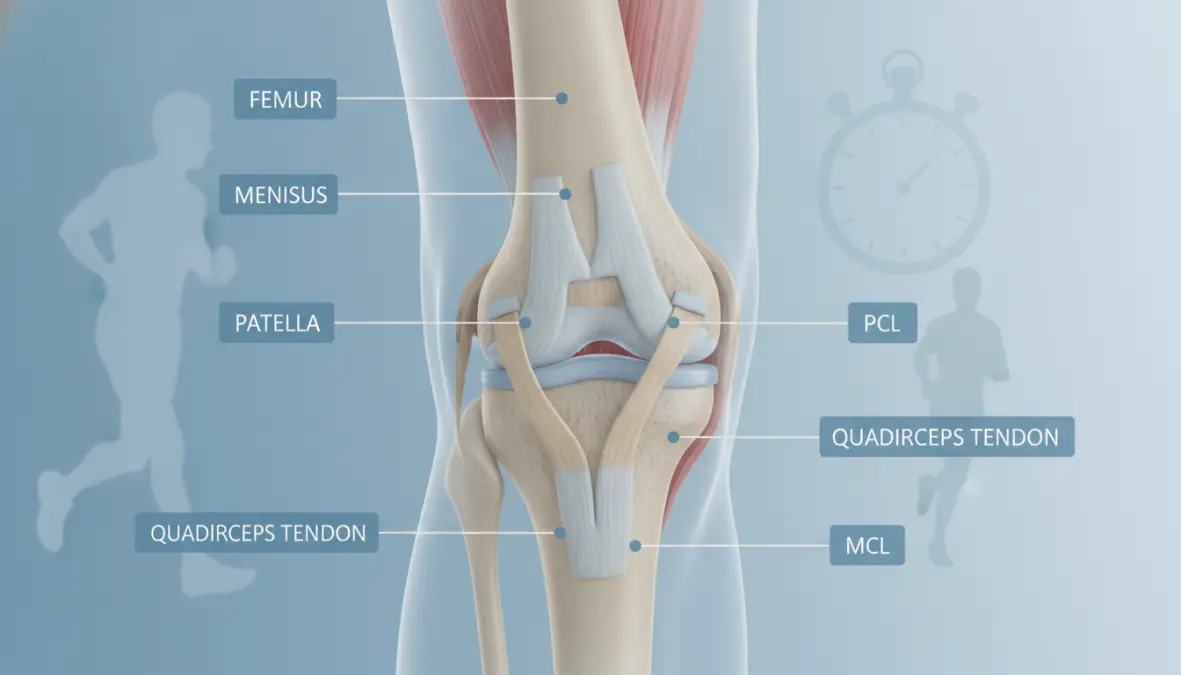
First things first: what exactly is collagen? It’s the most abundant protein in your body, making up roughly 30% of your total protein content. Think of it as the structural scaffolding that holds everything together. Your tendons, ligaments, cartilage, bones, and even skin are loaded with collagen—specifically Types I, II, and III.
Here’s where things get interesting for athletes. Your connective tissues are composed of approximately 70-90% collagen, and these are the exact structures that take the most punishment during training. Every sprint, jump, lift, and pivot creates micro-trauma in your tendons and ligaments. While this stress is part of what makes you stronger, it also degrades your natural collagen stores faster than sedentary folks experience.
Research shows that intense training can accelerate collagen breakdown, especially in weight-bearing joints and high-stress connective tissues. The problem? Your body’s natural collagen production peaks in your 20s and declines about 1% annually after that. For athletes consistently breaking down tissue, this creates a potential deficit. That’s where sports collagen supplements come into play—they’re designed to bridge this gap and support the increased demands your athletic lifestyle places on your connective tissues.
The athlete collagen benefits aren’t just theoretical. Studies on active individuals show measurable improvements in joint comfort, tissue resilience, and recovery markers when supplementing with collagen peptides. It’s not magic, but it is smart sports nutrition.
Key Benefits of Collagen Supplements for Athletes
Let’s get specific about what collagen for recovery and performance can actually do for you, backed by real science.
Joint Health and Injury Prevention: This is where collagen really shines. Multiple studies demonstrate that collagen for joint health reduces joint pain in athletes. A landmark study published in Current Medical Research and Opinion found that athletes taking 10g of collagen daily for 24 weeks experienced significant reductions in joint pain during activity and at rest. The mechanism? Collagen supplementation supports cartilage health by providing the building blocks your body needs to maintain and repair the cushioning between your bones. For runners, basketball players, and anyone dealing with repetitive impact, this is huge. The data suggests collagen may help prevent overuse injuries by strengthening the very structures most vulnerable to breakdown.
Accelerated Recovery: Does collagen help athletes recover faster? The evidence says yes. Collagen peptides for athletes support tendon repair and reduce inflammation markers associated with intense training. Research in the Journal of the International Society of Sports Nutrition showed that collagen supplementation enhanced recovery from joint and muscle discomfort, allowing athletes to return to training sooner. The post-workout recovery benefits extend beyond just feeling better—studies indicate improved tissue remodeling and reduced markers of tissue damage. When combined with other recovery strategies like proper sleep optimization and anti-inflammatory nutrition, collagen creates a comprehensive recovery protocol.
Additional Performance Benefits: Beyond joints and recovery, collagen supports bone density—critical for longevity in sport. It also plays a role in protein synthesis and provides specific amino acids (glycine, proline, hydroxyproline) that are harder to get from typical athletic diets heavy in whey and chicken breast. For connective tissue health, collagen offers unique advantages that standard protein supplements simply don’t provide. Some emerging research even suggests benefits for muscle recovery when combined with resistance training, though protein remains king for pure muscle building.

How Collagen Peptides Work in the Body
Not all collagen is created equal, and understanding how collagen peptides for athletes work helps explain why hydrolyzed forms are superior. When you consume collagen peptides (hydrolyzed collagen), you’re getting proteins that have been broken down into smaller chains of amino acids. This matters because these smaller peptides are highly bioavailable—your body absorbs them efficiently.
Once absorbed, these peptides don’t just become random building blocks. Research shows they actually trigger cellular signaling that stimulates your fibroblasts (the cells that produce collagen) to ramp up production of new collagen. It’s like sending a message to your body: “Hey, we need more structural support here.” Studies using radioactive tracers have demonstrated that ingested collagen peptides accumulate in cartilage and tendons, exactly where athletes need them most.
The difference between collagen peptides and other forms (like gelatin or whole collagen) comes down to absorption and usability. Peptides are pre-digested, making them far more effective for targeted joint support and tissue repair.
Choosing and Using Collagen Supplements for Optimal Results
So you’re convinced—but which best collagen for athletes should you actually buy? The market is flooded with options, and quality varies wildly.
Types and Sources: For collagen supplements for athletes, you’ll primarily see Type I (skin, bones, tendons), Type II (cartilage), and Type III (organs, skin). Most athletic applications benefit from Type I and III, typically sourced from bovine (cow) or marine (fish) collagen. Marine vs bovine collagen for athletes? Bovine tends to be more affordable and contains Types I and III, making it ideal for tendons, ligaments, and bones. Marine collagen is primarily Type I, absorbs slightly faster, and some prefer it for purity reasons. Type II, often from chicken cartilage, specifically targets joint cartilage and is sometimes sold separately.
The form matters tremendously. Hydrolyzed collagen peptides are non-negotiable—they’re broken down for optimal absorption. Avoid whole collagen or basic gelatin for athletic purposes.
Dosage and Timing: How much collagen should athletes take daily? Research supports 10-20g daily for joint and recovery benefits, with some studies showing benefits at the lower end for joint health and higher doses for more comprehensive tissue support. When should athletes take collagen supplements? Timing can optimize results: taking 10-15g of collagen with 50mg vitamin C about 30-60 minutes before training may enhance collagen synthesis in stressed tissues. Post-workout doses can support recovery, similar to traditional protein timing. Many athletes split doses—some pre-training, some post.
Synergistic combinations amplify benefits. Vitamin C is essential for collagen synthesis, while glycine and proline (often already in collagen) further support production. Consider pairing your collagen strategy with comprehensive sports nutrition approaches for maximum impact.
What to Look for in Quality Athletic Collagen Products
Quality matters, especially if you’re a competitive athlete subject to drug testing. Here’s your checklist for best collagen supplement for joint pain athletes:
- Third-party certification: Look for NSF Certified for Sport or Informed-Sport labels—these verify the product is free from banned substances
- Sourcing transparency: Reputable brands disclose where and how their collagen is sourced (grass-fed bovine, wild-caught fish)
- Hydrolyzed peptides: Confirm it’s hydrolyzed with low molecular weight (2,000-5,000 Daltons) for absorption
- Minimal additives: Pure collagen with minimal fillers or sweeteners is ideal
- Testing documentation: Brands should provide certificates of analysis showing purity and collagen content
Red flags to avoid: vague sourcing, lack of third-party testing, outrageous health claims, and suspiciously cheap prices that suggest low-quality or diluted product.
FAQ: Collagen Supplements for Athletes
How long does it take for collagen supplements to work for athletes?
Most studies show noticeable improvements in joint comfort within 4-8 weeks of consistent daily use. For tissue repair and injury prevention benefits, expect 12-24 weeks. Collagen isn’t a quick fix—it’s a long-term investment in your connective tissue health.
Can collagen help prevent sports injuries?
While no supplement guarantees injury prevention, research suggests collagen strengthens tendons, ligaments, and cartilage, potentially reducing risk of overuse injuries. It’s best viewed as one component of injury prevention alongside proper training progression, recovery protocols, and smart programming.
Is collagen better than whey protein for recovery?
They serve different purposes. Whey is superior for muscle protein synthesis and building muscle mass. Collagen specifically targets connective tissue repair and joint health. For optimal recovery, many athletes use both—whey post-workout for muscles, collagen for joints and tissues.
Are there any side effects of collagen for athletes?
Collagen is generally very safe with minimal side effects. Some people report mild digestive discomfort initially or a slightly unpleasant taste with unflavored versions. It’s well-tolerated and doesn’t interfere with other supplements. As with anything, consult your healthcare provider if you have specific concerns.
What’s the best type of collagen for joint pain?
Type II collagen specifically targets cartilage and joint structures, making it ideal for joint pain. However, many athletes benefit from multi-type formulas containing Types I, II, and III for comprehensive support. For general athletic use with joint concerns, look for products combining multiple types or choose Type II if joints are your primary focus.
The bottom line? Collagen for athletes isn’t just hype—it’s a science-backed tool for protecting the structural integrity your performance depends on. Your muscles might get all the glory, but your joints, tendons, and ligaments do the heavy lifting. Treat them right with strategic collagen supplementation, and you’ll not only perform better today but stay in the game longer. Combined with smart recovery practices and proper nutrition, collagen can be the missing piece in your performance puzzle.