Probiotics for Athletes: How Gut Health Supplements Boost Performance

Ever wonder why some athletes seem to recover faster, get sick less often, and maintain consistent energy levels during training? The secret might be hiding in their gut. While most athletes obsess over macros, training splits, and sleep optimization, many overlook a game-changer: probiotics for athletes. Your gut isn’t just about digestion—it’s a performance powerhouse that influences everything from nutrient absorption to immune function. Let’s dive into how the right probiotic strains can give you that competitive edge.
Why Gut Health Matters for Athletic Performance
Your gut is home to trillions of microorganisms that form your microbiome, and this complex ecosystem plays a starring role in gut health for performance. Here’s the thing: approximately 70% of your immune system resides in your gut, which means a healthy microbiome directly impacts how often you’re sidelined by illness during critical training periods.
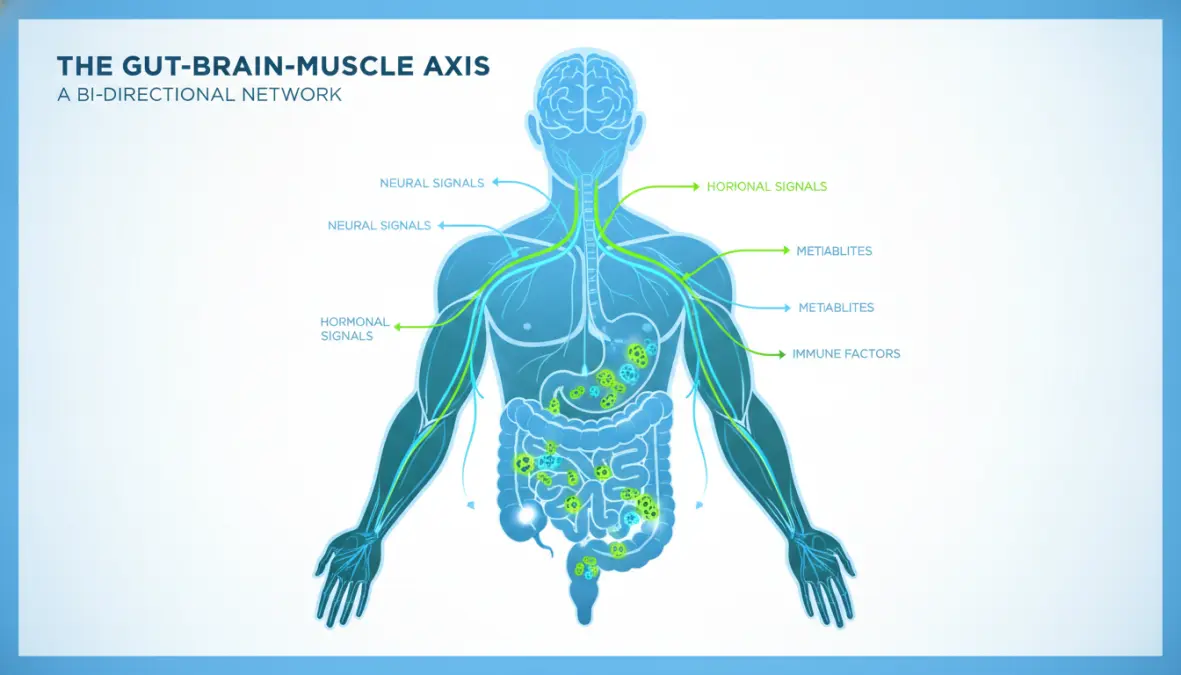
The gut-brain-muscle axis is where things get really interesting. This communication highway means your gut bacteria influence neurotransmitter production, inflammation levels, and even muscle recovery. When you’re crushing intense workouts, you’re also stressing your digestive system—reduced blood flow to the gut during exercise can compromise the intestinal barrier, leading to what’s called “leaky gut.” This is especially common in endurance athletes like runners and cyclists who experience gastrointestinal distress during long efforts.
Probiotics and exercise create a powerful synergy. The right bacterial strains help optimize nutrient absorption, ensuring those expensive athletic performance supplements and carefully planned meals actually get utilized. They also modulate inflammation, support immune function during heavy training blocks, and may even influence glycogen storage and energy production. For athletes pushing their limits, maintaining a balanced microbiome isn’t optional—it’s essential for consistent performance and exercise recovery.
Best Probiotics for Athletes: Strains That Support Performance
Not all probiotics are created equal, and when it comes to best probiotics for athletes, specific strains deliver targeted benefits. Understanding probiotic strains for sports helps you choose supplements that actually move the needle on performance rather than just supporting general digestive health.
Top Probiotic Strains for Endurance and Recovery
Lactobacillus acidophilus is a workhorse strain that enhances nutrient absorption, particularly protein—crucial for muscle repair. Research suggests it helps reduce exercise-induced gastrointestinal health issues, making it ideal for runners dealing with mid-race stomach troubles.
Bifidobacterium longum is your anti-inflammation ally. This strain has been shown to reduce markers of inflammation following intense training, supporting faster recovery. It also produces short-chain fatty acids that fuel intestinal cells and support the gut barrier—critical when intense exercise compromises intestinal integrity.
Lactobacillus rhamnosus shines for immune function. Studies on endurance athletes taking this strain showed reduced incidence of upper respiratory infections during heavy training periods. If you’re wondering how probiotics help muscle recovery, this strain also influences protein metabolism and may reduce muscle damage markers.
For probiotics for runners and cyclists, combining these lactobacillus strains addresses the unique challenges of endurance sports: GI distress, immune suppression from high training volumes, and inflammation from repetitive stress.
CFU Count and Multi-Strain Formulas
CFU stands for Colony Forming Units—basically, the number of viable bacteria in your supplement. For athletes, research suggests a sweet spot of 10-50 billion CFU daily, though some may benefit from higher doses during particularly intense training blocks or when dealing with digestive health athletes concerns.
The debate between single-strain and multi-strain formulas often favors the latter for athletes. Microbiome optimization benefits from diversity—different strains colonize different areas of your gut and provide complementary benefits. Look for formulas combining the strains mentioned above for comprehensive support.
Shelf-stable probiotics have come a long way with microencapsulation technology, making them convenient for travel to competitions. However, refrigerated options often contain higher CFU counts and may have better viability. Choose based on your lifestyle and storage capabilities.
How to Choose and Use Probiotics for Optimal Athletic Results
Timing matters when integrating sports nutrition probiotics into your routine. When to take probiotics for workout performance? Most experts recommend taking them on an empty stomach, either first thing in the morning or before bed, when stomach acid is lower. This increases the chances of bacteria surviving to reach your intestines.
However, some athletes prefer taking probiotics with a small meal containing healthy fats, which can also protect the bacteria during transit. Experiment to see what works best for your digestion. Just avoid taking them immediately after intense training when blood flow to the gut is still compromised.
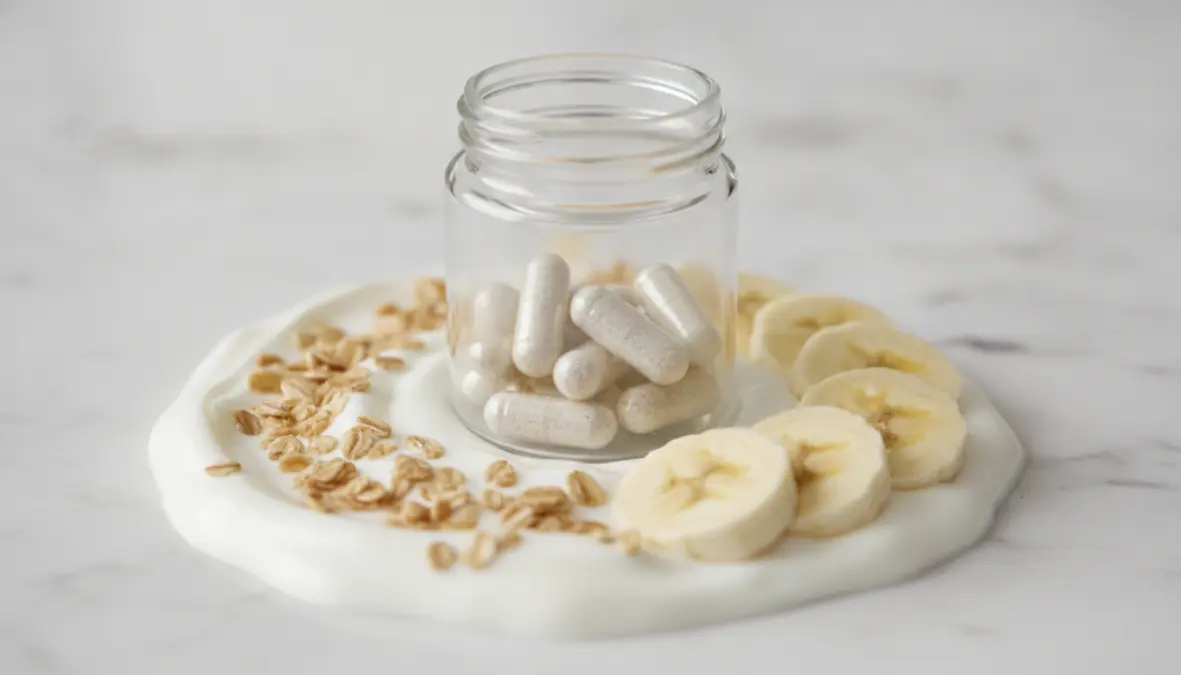
Pairing probiotics with prebiotics (fiber that feeds beneficial bacteria) amplifies their effectiveness. Foods like bananas, oats, and asparagus provide excellent prebiotic support. If you’re exploring intermittent fasting for athletes, time your probiotic intake during your eating window.
What to look for when choosing probiotics:
- Third-party testing certification (NSF Certified for Sport, Informed-Sport) to ensure no banned substances
- Minimum 10 billion CFU of multi-strain formula
- Strains specifically researched for athletic populations
- Delayed-release or enteric-coated capsules for better survival
- Clear expiration dates and storage instructions
- Transparency about specific strain names (not just “Lactobacillus species”)
When starting probiotics, some athletes experience mild bloating or digestive changes for the first few days as their microbiome adjusts. Start with a lower dose and gradually increase. Combining probiotics with anti-inflammatory foods and other micronutrients for athletes creates a comprehensive nutrition foundation for performance.
FAQ: Probiotics and Athletic Performance
Do probiotics really improve athletic performance?
Research shows promising results. While probiotics won’t replace training, they support performance by improving nutrient absorption, reducing inflammation, maintaining immune function, and decreasing GI issues during exercise. Studies on endurance athletes show improvements in recovery markers and reduced illness-related training disruptions.
When should athletes take probiotics?
Most athletes benefit from daily probiotic supplementation, taken either on an empty stomach in the morning or before bed. Consistency matters more than perfect timing. During particularly intense training blocks or before important competitions, maintaining regular supplementation helps protect immune function and digestive health.
Can probiotics help with exercise-induced GI issues?
Absolutely. Many endurance athletes suffer from GI distress during long efforts due to reduced blood flow to the gut. Regular probiotic supplementation, particularly with strains like Lactobacillus acidophilus, strengthens the gut barrier and may reduce symptoms. Combine this with proper digestive optimization strategies for best results.
How long before seeing results from probiotics?
Most athletes notice digestive improvements within 2-4 weeks. However, microbiome optimization and impacts on inflammation reduction or immune function may take 6-12 weeks of consistent use. Think of probiotics as a long-term investment in your performance foundation, not a quick fix.
Are probiotics safe for competitive athletes?
Yes, when choosing third-party tested products certified for sport. Probiotics are considered food supplements and aren’t banned substances. However, always verify your specific product is certified to avoid any contamination risks that could affect drug testing.
Your gut microbiome is as unique as your fingerprint, and optimizing it through strategic probiotic supplementation can unlock performance gains you didn’t know you were missing. Whether you’re chasing PRs, recovering from intense training sessions, or simply trying to stay healthy through a demanding season, the right probiotics for athletes deserve a spot in your nutrition protocol. Start paying attention to your gut—it might just be the secret weapon you’ve been searching for.