Best Compression Socks for Running: Performance, Recovery & Buyer’s Guide

If you’ve ever finished a long run with heavy, achy legs or woken up the next day feeling like you got hit by a truck, you’re not alone. That’s where the best compression socks running can make a real difference. These aren’t just fashion statements or placebo gear—compression socks are designed to improve blood circulation, support your muscles, and speed up recovery. Whether you’re training for your first 5K or tackling ultra-marathons, the right pair of compression socks for runners can help you perform better and bounce back faster. Let’s dive into what makes them work and which ones deserve a spot in your running kit.
Why Runners Need Compression Socks: Benefits and Science
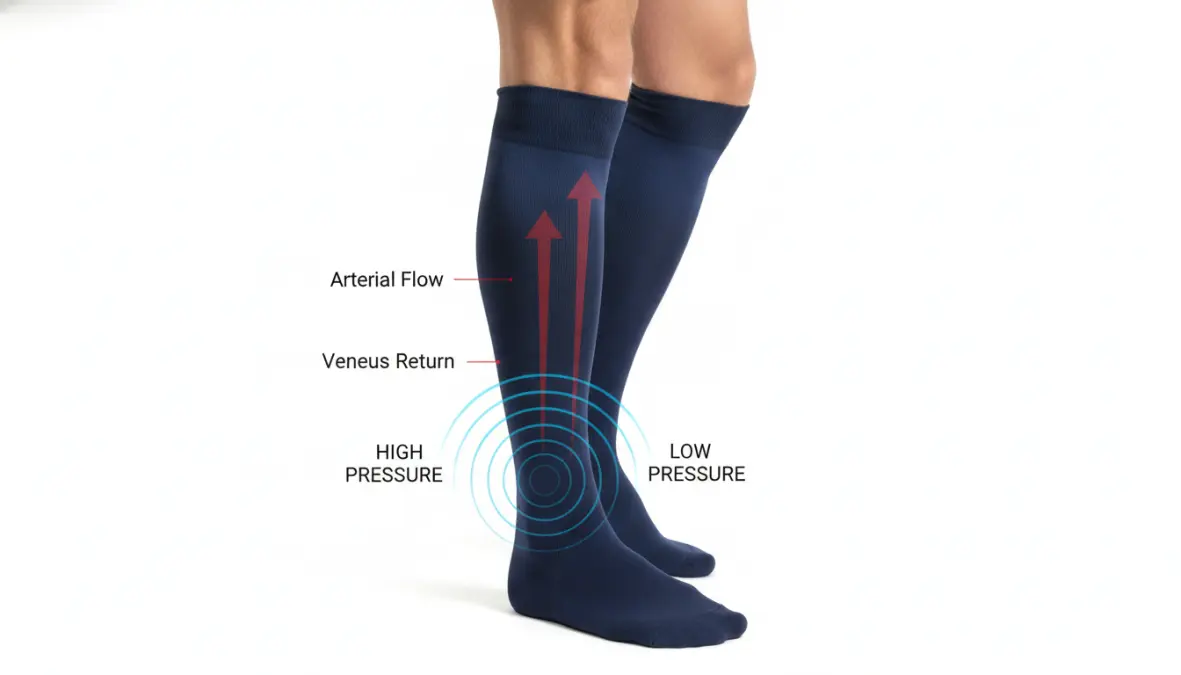
The magic behind compression socks benefits running lies in graduated compression technology. Graduated compression socks apply the most pressure at your ankle (typically 20-30 mmHg or 15-20 mmHg) and gradually decrease the squeeze as they move up your calf. This design encourages blood flow back toward your heart, fighting gravity and preventing pooling in your lower legs.
During a run, this improved blood circulation delivers more oxygen to your muscles, which can help reduce leg fatigue and delay the onset of cramping. Studies published in the Journal of Strength and Conditioning Research have shown that runners wearing compression gear report lower perceived exertion and reduced muscle vibration, which translates to less micro-damage during impact.
But the real game-changer is what happens after you finish your run. Athletic compression socks worn post-workout help flush out metabolic waste like lactic acid, speed up muscle recovery, and reduce inflammation. That’s why many elite athletes wear them during flights or on rest days—improved circulation means faster healing. Whether you’re dealing with shin splints, calf tightness, or just general soreness, compression provides targeted calf support that can make your next run feel surprisingly fresh. If you’re serious about recovery, pairing compression socks with proper sleep optimization and recovery nutrition creates a powerhouse routine.
Best Compression Socks and Sleeves for Running
Finding the best compression socks running options means balancing compression level, comfort, durability, and your specific needs. Here are the top performers:
CEP Progressive+ Run Socks 2.0 are often considered the gold standard for performance compression socks. With 20-30 mmHg graduated compression and a snug, supportive fit, these German-engineered socks feature moisture wicking fabric and targeted arch support. They’re ideal for marathoners and anyone doing serious endurance training. The padding is minimal, which some runners love for ground feel. Best for: marathon runners and race day performance.
2XU Compression Performance Run Socks bring excellent value with 15-20 mmHg compression—perfect if you’re new to compression or prefer a lighter squeeze. The seamless toe construction prevents blisters on long runs, and the graduated design provides solid calf support without feeling restrictive. Best for: beginners and daily training runs.
Sockwell Elevation Graduated Compression Socks use merino wool blend for natural temperature regulation and odor control. At 20-30 mmHg, they’re fantastic for recovery wear or cold-weather running. The cushioned footbed adds comfort for ultra-distance events. Best for: best compression socks for long distance running and recovery.
OS1st FS6 Performance Foot + Calf Sleeves take a different approach—these running compression sleeves focus on calf and shin support without covering your feet, letting you wear your favorite running socks. Great for targeted compression and popular with trail runners who want extra ankle mobility. Best for: those asking compression socks vs sleeves for running and preferring flexibility.
Physix Gear Sport Compression Socks offer budget-friendly performance at 20-30 mmHg with durable nylon-spandex construction. They’re not as refined as premium options but deliver solid compression for the price. Best for: budget-conscious runners testing compression for the first time.
Zensah Tech+ Compression Socks feature zone-specific compression and anti-blister yarn, making them excellent best recovery socks for post-run wear. The graduated 15-20 mmHg pressure is gentle enough for all-day comfort. Best for: recovery and travel.
PRO Compression Marathon Socks come in fun patterns and solid 20-30 mmHg compression. They’re particularly effective for runners wondering do compression socks help with running recovery—many users report significantly less soreness when wearing these after long runs or races. The reinforced heel and toe boost durability. Best for: best compression socks for marathon runners seeking style and substance.
How to Choose the Right Compression Socks for Your Running Needs
Understanding mmHg pressure rating is crucial. For compression socks for runners, 15-20 mmHg provides mild compression perfect for daily training, prevention, and recovery. It’s comfortable enough to wear during runs without restriction. The 20-30 mmHg range offers moderate compression ideal for race day performance, managing existing issues like shin splints or varicose veins, and serious recovery protocols. Most runners start with 15-20 mmHg and graduate to firmer compression as needed.
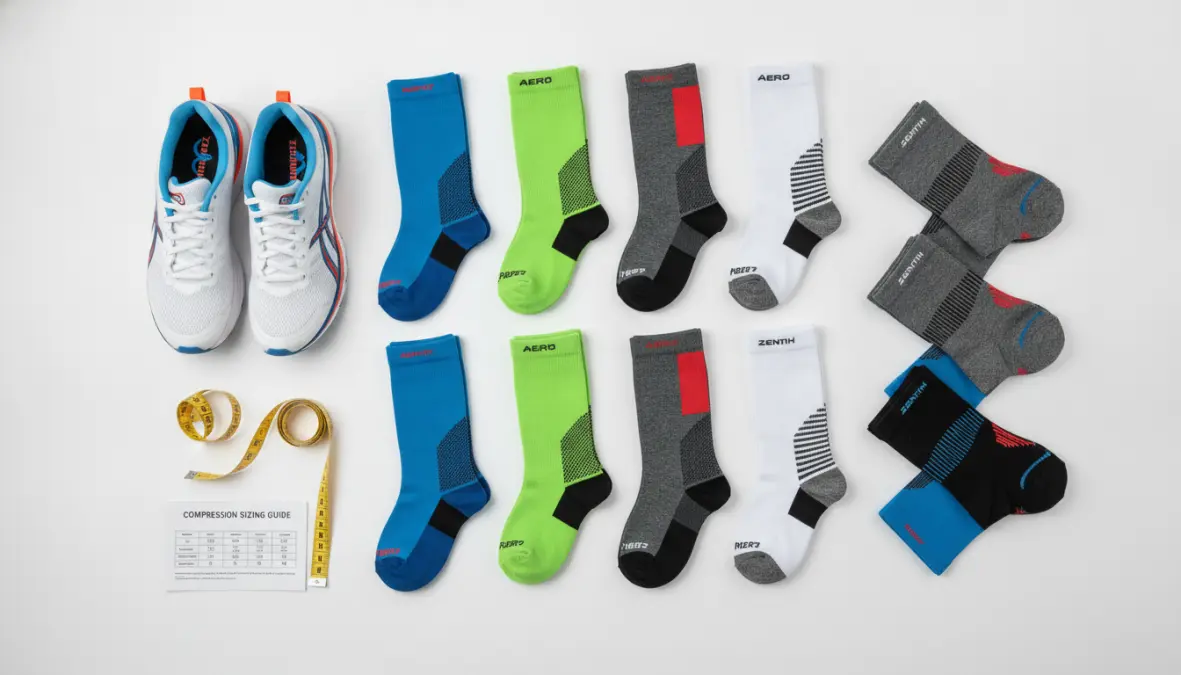
Sizing matters more than you think. How tight should compression socks be for running? They should feel snug but not painful—if you’re experiencing numbness, tingling, or your toes turn purple, they’re too tight. Measure your calf circumference at its widest point and your ankle at its narrowest, then follow the manufacturer’s sizing chart precisely. When in doubt, size up slightly for all-day wear and size down for maximum compression during runs.
Material choice impacts comfort dramatically. Look for moisture wicking fabric like nylon-spandex blends or merino wool for temperature regulation. Seamless toe construction prevents blisters during long miles. The sock-versus-sleeve debate comes down to personal preference: full athletic compression socks provide foot support and prevent debris entry (great for trail running), while running compression sleeves offer more ventilation and let you customize your sock choice.
When to wear compression socks for running depends on your goals. During runs, they reduce vibration and fatigue—beneficial for races and long training sessions. Post-run, they accelerate recovery by improving circulation for 2-4 hours after exercise. Many runners also wear them during travel or on rest days following hard workouts. Those dealing with compression socks for shin splints running should wear them both during activity and recovery for best results. Like tracking your training data with fitness trackers, monitoring how compression affects your performance helps optimize usage.
Proper care extends lifespan—hand wash or use a delicate cycle, air dry away from heat, and replace every 3-6 months with regular use as the elastic degrades. Quality graduated compression socks are an investment, but considering they can prevent injuries and enhance recovery, they’re worth every penny for serious runners.
Whether you’re chasing a PR, recovering from an injury, or just want to keep your legs feeling fresh, the best compression socks running can become your secret weapon. Start with one pair for recovery, test them on a few long runs, and see how your body responds. Your legs will thank you—and you might just surprise yourself with how much better you feel mile after mile. Don’t forget that compression is just one piece of the puzzle; combine it with active recovery workouts for maximum results.