Cycling Weight Loss Plan: How to Burn Fat While Building Endurance
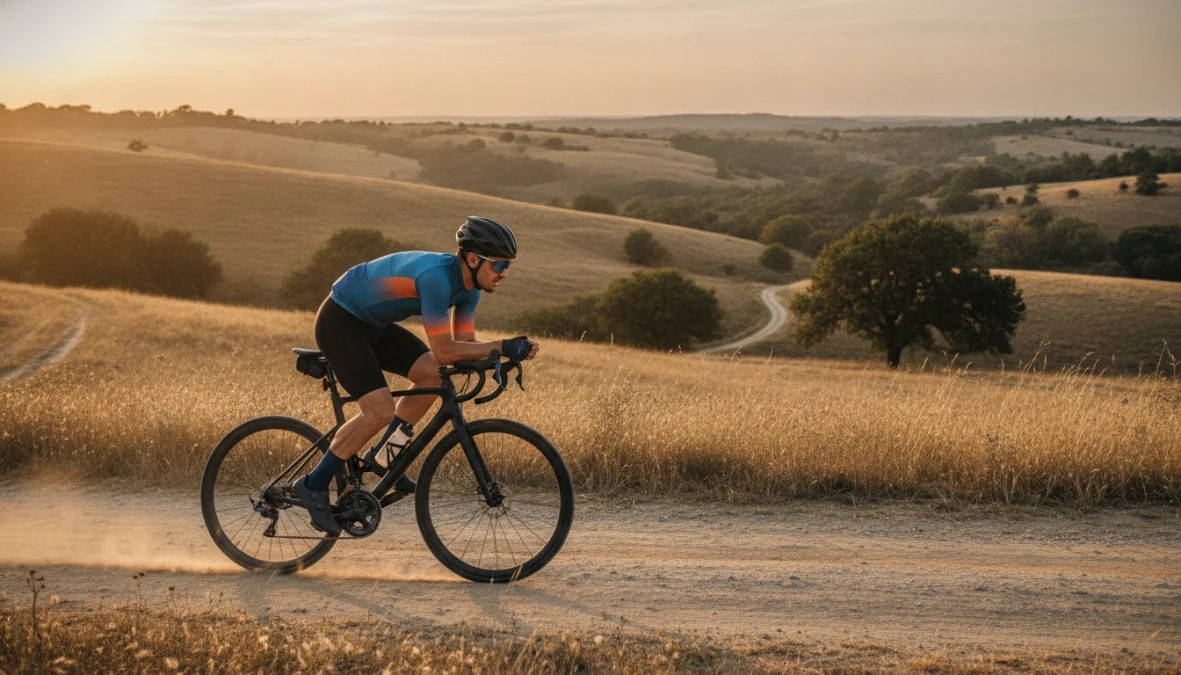
Want to shed pounds while having fun and building serious fitness? Cycling for weight loss might be your perfect match. Unlike punishing workout routines that leave you dreading the gym, cycling delivers an effective fat-burning cardiovascular exercise that actually feels enjoyable. Whether you’re pedaling through scenic outdoor trails or sweating it out on an indoor bike, you’re tapping into one of the most sustainable and joint-friendly ways to transform your body composition while torching calories.
Why Cycling Works for Weight Loss and Fat Burning
Let’s talk numbers. Depending on your weight and intensity, cycling for weight loss can burn anywhere from 400 to 1000 calories per hour. A 155-pound person cycling at a moderate pace (12-14 mph) burns approximately 560 calories in 60 minutes, while cranking up the intensity can push that number past 850 calories. This makes burn fat cycling remarkably efficient compared to many other forms of exercise.
What makes cycling especially powerful for cycling for fat loss is its impact on your metabolism. Regular cycling sessions create an “afterburn effect” where your body continues burning calories for hours after you’ve finished riding. This metabolic boost happens because cycling builds lean muscle mass in your legs and core while simultaneously reducing fat stores. Studies show that consistent aerobic training like cycling can increase your resting metabolic rate by 5-10%, meaning you’re burning more calories even while sitting on the couch.
When comparing cycling vs running for weight loss, cycling wins major points for sustainability. It’s a low-impact activity that protects your joints from the pounding stress of running, making it ideal for heavier individuals or those with previous injuries. Plus, you can easily adjust intensity by changing gears or terrain, allowing for longer workout sessions without excessive fatigue. And yes, cycling to lose belly fat is absolutely possible—while you can’t spot-reduce fat, cycling’s combination of calorie burning and core engagement makes it highly effective at reducing overall body fat, including that stubborn abdominal area.

Your 4-Week Cycling Weight Loss Plan
Ready to put theory into practice? This cycling weight loss plan progressively builds your endurance while maximizing fat burn. The beauty of this program is its adaptability—whether you’re doing indoor cycling weight loss sessions on a stationary bike or hitting the roads outdoors, the principles remain the same. For optimal bike riding weight loss, consistency matters more than perfection.
Week 1-2: Building Your Foundation
Your first two weeks focus on establishing a sustainable routine and building aerobic capacity. Schedule 3-4 cycling sessions per week, each lasting 30-45 minutes. Keep your intensity in the moderate zone—you should be able to hold a conversation but feel slightly breathless. This cycling schedule for weight loss beginners targets heart rate zones 2-3 (roughly 60-75% of your maximum heart rate), which optimizes fat burning while building cardiovascular endurance.
For indoor cyclists, maintain a steady cadence of 80-90 RPM with moderate resistance. Outdoor riders should choose relatively flat routes with minimal stops. The goal isn’t to exhaust yourself but to train your body to efficiently burn fat for fuel. Check out our guide on finding your optimal pedaling rate to maximize efficiency from day one.
Focus on consistency over intensity during these foundation weeks. If you’re wondering how long to cycle for weight loss, starting with 30 minutes is perfectly adequate—research shows that fat oxidation peaks around 30-60 minutes of moderate-intensity cycling. Don’t skip rest days; recovery is when your body adapts and builds endurance.
Week 3-4: Increasing Intensity for Maximum Fat Burn
Now it’s time to level up with cycling endurance training that incorporates variety. Extend your rides to 45-60 minutes and introduce interval training twice per week. A simple yet effective approach: after a 10-minute warm-up, alternate between 2 minutes of high intensity (80-90% max heart rate) and 3 minutes of recovery pace. Repeat 5-6 times, then cool down for 10 minutes.
The cycling intensity for fat burning gets a significant boost from these intervals. While steady-state rides are excellent for building endurance, interval training creates a powerful metabolism boost that continues burning calories long after your workout ends. Studies show that high-intensity interval training can increase fat oxidation by up to 36% compared to steady-state cardio alone.
Add hill training or increased resistance during at least one weekly session. For outdoor riders, seek routes with challenging climbs. Indoor cyclists should crank up the resistance to simulate hills, maintaining that 80-90 RPM cadence even when it feels tough. This builds leg strength while forcing your body into higher calorie-burning zones. Track your progress by monitoring distance covered, average speed, and how you feel during workouts. Our spring cycling training guide offers additional strategies for progressive endurance building.
Maximizing Results: Nutrition, Recovery, and Common Mistakes
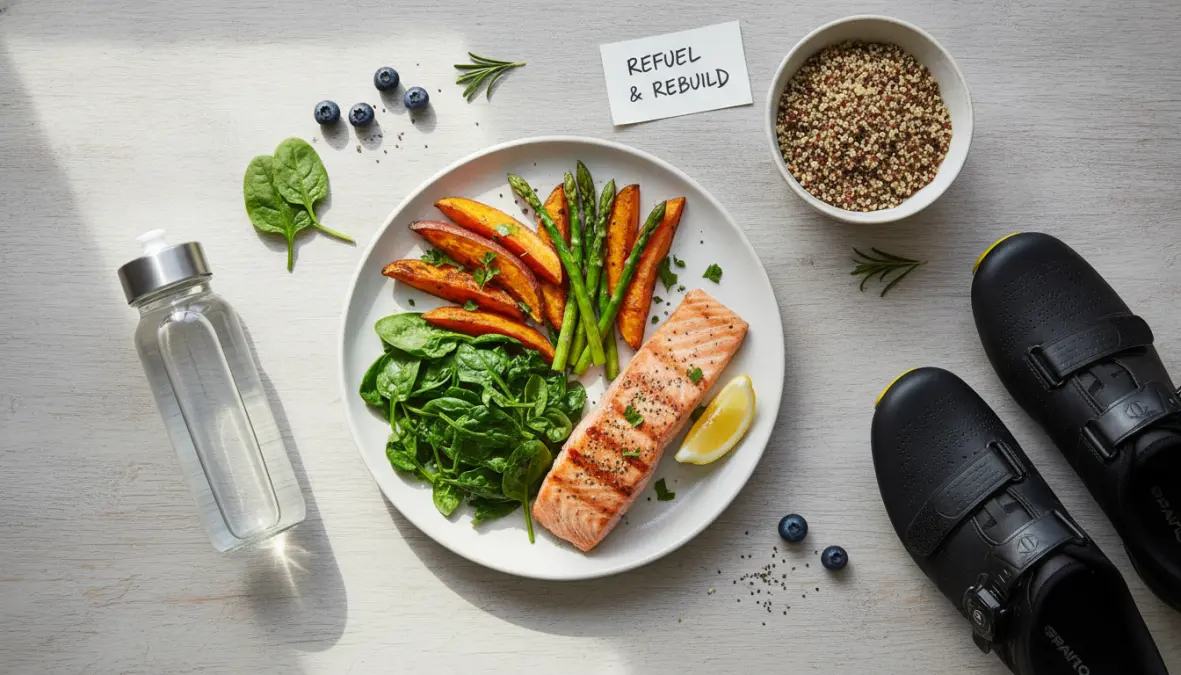
Here’s the truth: you can’t out-ride a bad diet. Combining cycling and diet for weight loss requires a sustainable calorie deficit—typically 300-500 calories below your daily maintenance level. But don’t starve yourself; undereating sabotages your metabolism and makes rides feel miserable. Focus on nutrient-dense foods: lean proteins for muscle recovery, complex carbohydrates for sustained energy, and healthy fats for hormone regulation.
Timing matters too. For rides under 60 minutes, you probably don’t need pre-workout fuel beyond staying hydrated. For longer sessions, eat a light carbohydrate-rich snack 30-60 minutes before riding. Post-workout nutrition is crucial—consume a combination of protein and carbs within 30-45 minutes after finishing to optimize recovery and muscle building. Our detailed guide on carb cycling for athletes can help you fine-tune your nutrition strategy.
Recovery deserves equal billing with your workouts. Sleep 7-9 hours nightly—poor sleep disrupts hunger hormones and can increase fat storage by up to 55%. Schedule at least one complete rest day weekly, and consider active recovery rides at very low intensity on lighter days.
Common mistakes that derail weight loss? Going too hard, too often tops the list. Constantly training at maximum intensity leads to burnout, injury, and elevated cortisol levels that actually promote fat storage. Mix intensities throughout your week. Another pitfall: neglecting complementary training. Adding strength training for cyclists twice weekly builds muscle that increases your resting metabolism. Even bodyweight HIIT workouts can complement your cycling routine perfectly.
FAQ
How many times a week should I cycle to lose weight?
Aim for 3-5 cycling sessions weekly for optimal fat loss. This frequency allows enough stimulus to create a calorie deficit while providing adequate recovery. Beginners should start with 3 times weekly and gradually increase as fitness improves.
Is indoor or outdoor cycling better for weight loss?
Both are equally effective when matched for intensity and duration. Indoor cycling offers controlled conditions and easier interval implementation, while outdoor cycling provides varied terrain and mental stimulation. Choose based on preference and accessibility—consistency matters most. If you do both, our guide on transitioning from indoor to outdoor cycling can help.
How long does it take to see weight loss results from cycling?
Most people notice changes within 2-3 weeks, with visible body composition improvements by week 4-6. However, sustainable fat loss occurs at 1-2 pounds weekly. Focus on how your clothes fit and energy levels improve rather than just scale numbers.
Can I lose belly fat by cycling?
Yes, but remember that spot reduction is a myth. Cycling creates the calorie deficit needed to reduce overall body fat, including abdominal fat. Combined with proper nutrition, regular cycling effectively reduces belly fat while toning your core muscles used for stability.
Should I cycle before or after eating?
For weight loss and fat burning, moderate-intensity fasted rides (before breakfast) can enhance fat oxidation. However, for higher-intensity sessions, eating a light carb-based snack 30-60 minutes before improves performance. Post-ride nutrition is crucial regardless—prioritize protein and carbs within 45 minutes of finishing.
Ready to transform your body through cycling? This four-week plan provides the roadmap, but your consistency and commitment determine the destination. Start where you are, progress gradually, and remember that every pedal stroke is an investment in a healthier, stronger you. The road to your weight loss goals begins with that first ride—so what are you waiting for?