Swimming Workouts for Cyclists: Cross-Training to Boost Endurance and Performance
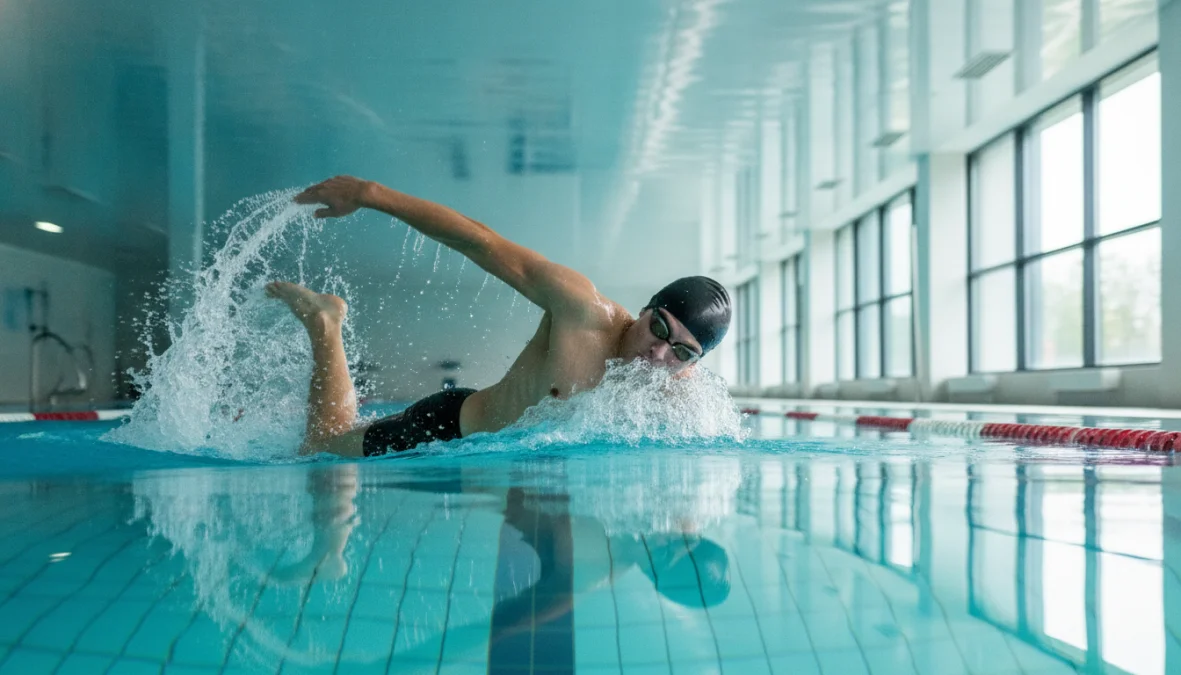
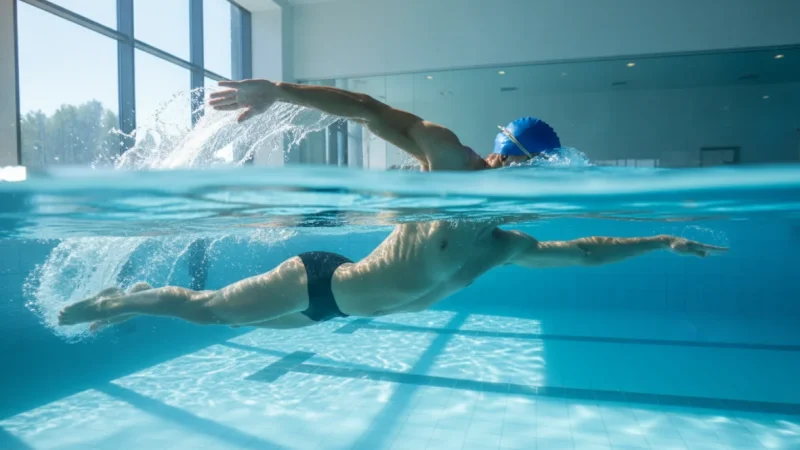
Picture this: you’re crushing your cycling goals, logging serious miles on the bike, but you’re starting to feel that nagging tightness in your hips, your shoulders are perpetually hunched, and your performance seems to have hit a plateau. Sound familiar? Here’s where swimming for cyclists becomes your secret weapon. Diving into the pool isn’t just about mixing things up—it’s a strategic move that can seriously level up your cycling game while giving your body the recovery it desperately needs.
Why Swimming Is the Perfect Cross-Training for Cyclists
Let’s talk about why cross-training for cyclists with swimming is basically a match made in endurance heaven. Unlike pounding the pavement running (which adds more impact stress to already tired legs), swimming offers low-impact cardio that works your entire body without beating up your joints. Your knees and hips get a break while you’re still building serious cardiovascular fitness.
The beauty of cycling performance swimming lies in the muscle balance it creates. Cyclists notoriously develop powerful legs but often neglect upper body strength. Swimming forces your arms, shoulders, back, and core to pull their weight—literally. This upper body strength translates directly to better bike handling, improved stability on climbs, and a stronger position during those brutal headwinds.
Research shows that swimmers and cyclists share remarkably similar aerobic profiles, with both sports demanding exceptional aerobic capacity. A study published in the Journal of Sports Sciences found that swimmers who cross-trained with cycling (and vice versa) saw significant improvements in VO2 max improvement—up to 8-12% in some cases. That’s because swimming challenges your respiratory system differently, forcing you to control breathing in a rhythmic pattern that strengthens your lungs and improves oxygen efficiency.
Plus, swimming is phenomenal for active recovery. Those easy swim days between hard cycling sessions flush out metabolic waste, reduce muscle soreness, and keep you moving without adding training stress. It’s way more effective than just sitting on the couch. For more insights on recovery strategies, check out our guide on active recovery workouts.
Essential Swimming Workouts to Enhance Cycling Endurance
Now let’s get practical with some pool workouts for cyclists that actually move the needle. These swimming workouts for endurance are designed specifically to complement your cycling training, not replace it.
Aerobic Endurance Pool Sessions
Think of these workouts as your long, steady rides—but in the water. The goal with endurance training swimming is building that aerobic base that supports everything else you do on the bike.
Beginner Workout (30-40 minutes):
- Warm-up: 200m easy mixed strokes
- Main set: 4 x 200m freestyle at conversational pace, 30-second rest between sets
- Cool-down: 100m easy backstroke
- Total distance: 1,100m
Intermediate/Advanced Workout (45-60 minutes):
- Warm-up: 400m mixed strokes
- Main set: Pyramid – 200m, 400m, 600m, 400m, 200m at steady moderate pace, 45-second rest between intervals
- Cool-down: 200m easy choice stroke
- Total distance: 2,200m
For swimmer cyclist training, aim for 1-2 of these sessions weekly during base-building phases. Keep your heart rate at about 65-75% of max—similar to Zone 2 cycling. If you’re also incorporating strength training for cyclists, schedule swimming on different days to optimize recovery.
High-Intensity Interval Swimming for VO2 Max
Just like those brutal hill repeats boost your cycling power, high-intensity interval training in the pool cranks up your anaerobic threshold and explosiveness. These sessions mimic the physiological demands of hard cycling efforts.
Sprint Set Workout (30-40 minutes):
- Warm-up: 300m easy
- Main set: 10 x 50m freestyle sprints at 85-90% effort, 20-30 seconds rest
- Active recovery: 200m easy backstroke
- Second set: 8 x 75m at 80% effort, 30 seconds rest
- Cool-down: 200m easy
Tabata Swimming (20 minutes high-intensity):
- Warm-up: 400m gradual build
- Main set: 8 rounds of 20 seconds all-out sprint, 10 seconds rest (approximately 25m pool length)
- Recovery: 3 minutes easy swimming
- Repeat Tabata set 2-3 times
- Cool-down: 200m easy
These workouts are your swimming equivalent to the intervals you’d find in our hill climbing techniques guide. They’re tough but incredibly effective at boosting your lactate threshold and improving how your body handles intense efforts.
Integrating Swimming Into Your Cycling Training Plan
Here’s where many cyclists mess up: they just randomly throw swimming sessions into their week without a plan. Smart cycling cross-training exercises require thoughtful integration to maximize benefits without overtraining.
Frequency: Most cyclists benefit from 2-3 swimming sessions per week. Beginners should start with 1-2 sessions of 30 minutes and gradually build up. Competitive cyclists might do 3 sessions during off-season and scale back to 1-2 during race season.
Timing Strategy:
- Easy swim days: Schedule after hard bike workouts as active recovery. A gentle 30-40 minute swim the day after intervals helps flush your legs without adding stress.
- Intense swim sessions: Treat these like bike workouts—schedule them on hard training days, not recovery days. If you’re doing bike intervals Tuesday and Thursday, add a high-intensity swim on one of those days post-ride, or make it a standalone hard day.
- Off-season: This is prime time to build swimming fitness. Increase volume and intensity while cycling volume is lower.
- In-season: Scale back to 1-2 maintenance swims weekly, focusing on technique and easy aerobic work.
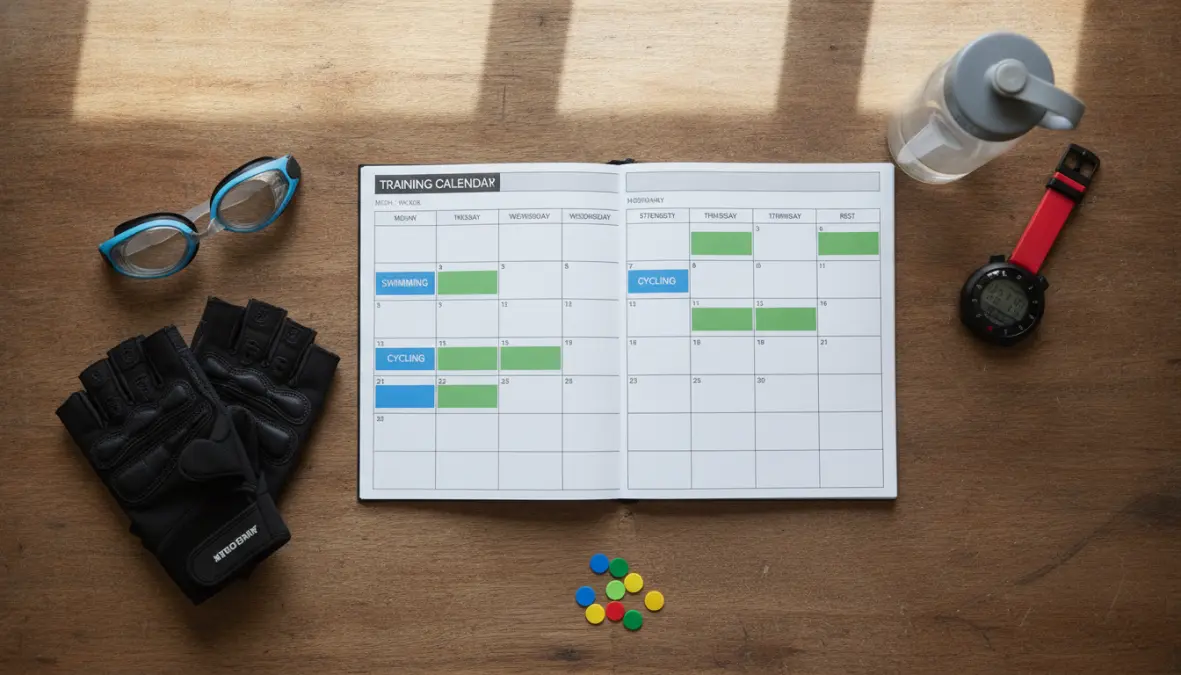
Sample Weekly Schedule (Amateur Level):
- Monday: Easy swim (30-40 min aerobic)
- Tuesday: Bike intervals
- Wednesday: Rest or yoga
- Thursday: Bike endurance ride + easy swim (20-30 min recovery)
- Friday: Rest
- Saturday: Long bike ride
- Sunday: Moderate swim with intervals (45 min)
For proper periodization throughout your season, check out our comprehensive guide on periodization training for cyclists. The principles apply equally to your swimming cross-training.
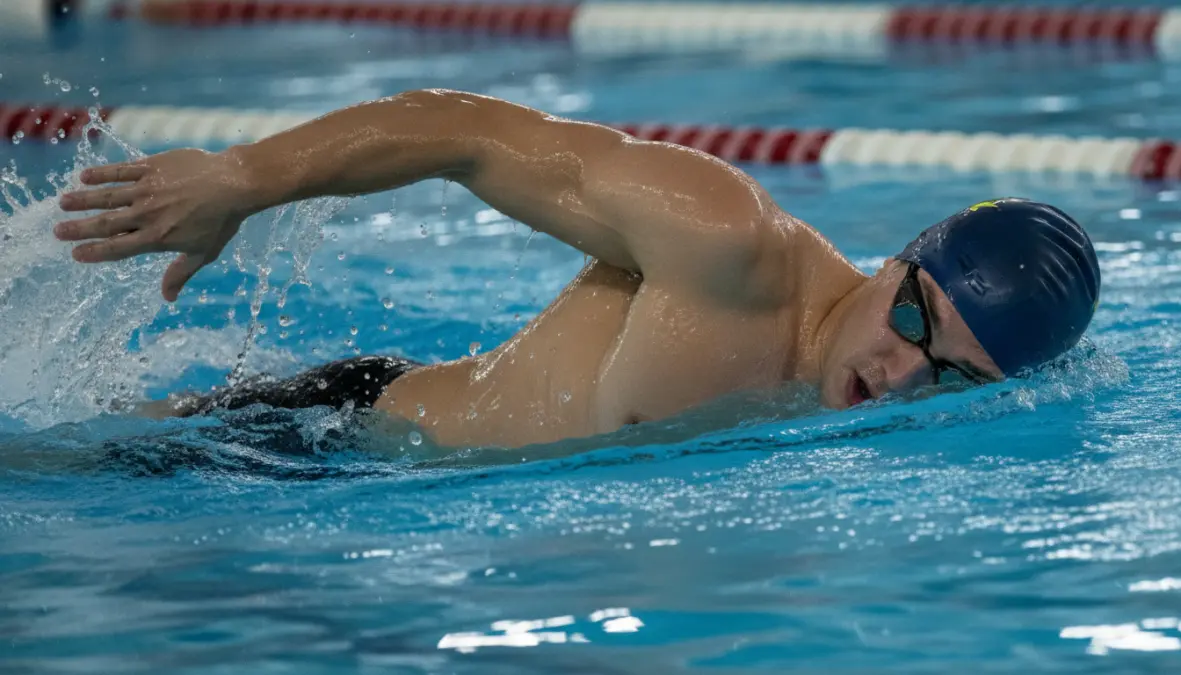
Technique Tips for Cycling Beginners: You don’t need to be Michael Phelps to benefit. Focus on freestyle with proper body rotation, bilateral breathing (every 3 strokes), and a relaxed stroke. Consider 2-3 sessions with a coach to nail down basics—it’ll make swimming way more enjoyable and effective. Also incorporate backstroke to open up those tight cycling shoulders.
FAQ: Swimming Cross-Training for Cyclists
How often should cyclists swim for cross-training?
Most cyclists see optimal benefits from 2-3 swimming sessions per week, with each session lasting 30-60 minutes. Beginners should start with 1-2 weekly sessions and gradually increase as technique and fitness improve. During peak cycling season, 1-2 maintenance swims work well.
What swimming stroke is best for cyclists?
Freestyle (front crawl) is the primary stroke for building cardiovascular fitness and is most similar to cycling’s sustained aerobic effort. However, adding backstroke helps correct the forward-hunched cycling posture and opens up chest and shoulders. Mix in some breaststroke for hip flexibility and variety.
Can swimming replace cycling workouts?
Not entirely, due to the principle of training specificity—you get better at what you practice. However, during injury recovery, off-season, or when you need a break from the bike, swimming can maintain (and even improve) your cardiovascular base. It’s an excellent substitute for easy recovery rides.
How long should swimming sessions be for cyclists?
Beginners: 20-30 minutes; Intermediate: 30-45 minutes; Advanced: 45-60 minutes. Quality matters more than quantity. A focused 30-minute session with proper intervals beats an unfocused hour of splashing around. Match session length to your cycling workout durations.
Do I need to be a good swimmer to benefit from cross-training?
Absolutely not! Even basic swimming with decent technique provides cardiovascular benefits, active recovery, and muscle balance. Many professional cyclists aren’t particularly skilled swimmers but still incorporate it regularly. Just focus on consistency and gradual improvement—similar to how you approached cycling initially.
Will swimming make me a slower cyclist?
This is a common fear, but no—when programmed correctly, swimming enhances cycling performance by improving aerobic capacity, preventing overuse injuries, and maintaining fitness during recovery periods. The key is not replacing bike-specific training entirely. Swimming complements cycling; it doesn’t compete with it. Just like plyometric training or core work, it’s another tool in your performance toolkit.
So grab your goggles and dive in—literally. Your cycling performance will thank you, your body will feel more balanced, and you might just discover that conquering the pool is as satisfying as crushing that next KOM. Swimming for cyclists isn’t just cross-training; it’s smart training that keeps you healthy, strong, and ready to perform when it counts.