Best Cycling Computer: Complete GPS Features and Training Metrics Guide
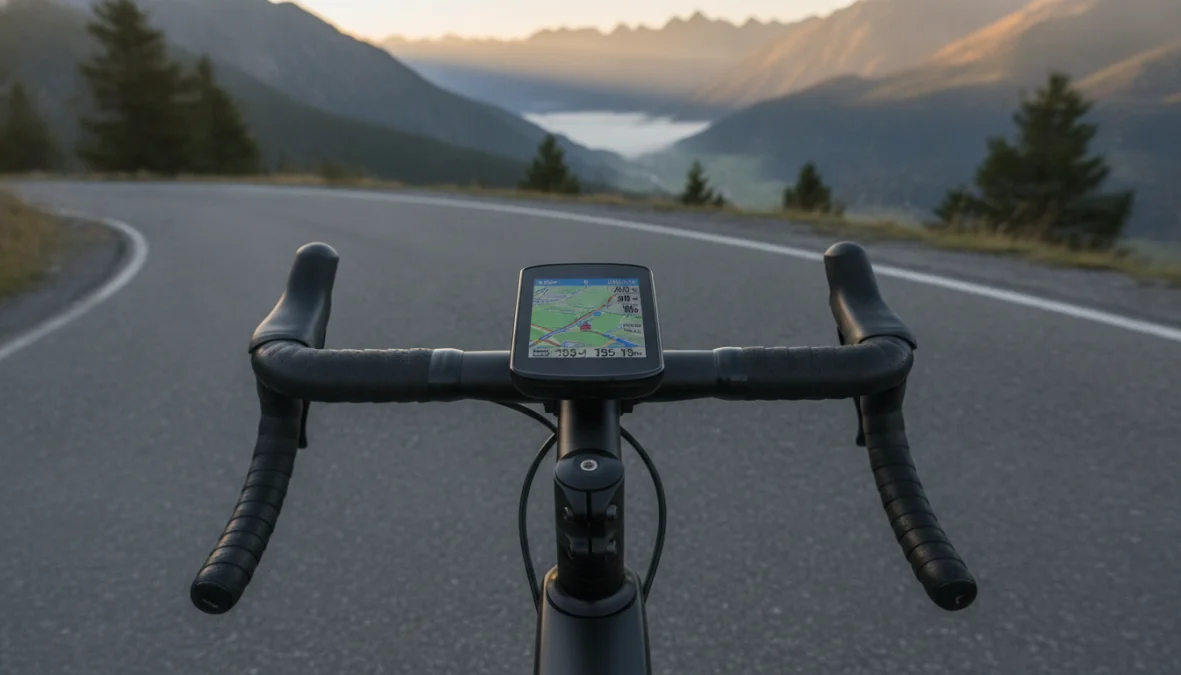
Finding the best cycling computer can transform your rides from simple outings into data-driven training sessions. Whether you’re tracking your morning commute or preparing for your next gran fondo, the right device gives you insights that were once available only to professional cyclists. Modern GPS cycling computers pack incredible technology into handlebar-mounted units, offering everything from turn-by-turn navigation to advanced physiological metrics that help you train smarter and ride faster.
What Makes the Best Cycling Computer: Key Features to Consider
Choosing the best cycling computer means understanding which cycling computer features actually matter for your riding style. Not all cyclists need the same capabilities—a daily commuter has different requirements than someone training for competitive events. The foundation of any quality GPS cycling computer includes accurate satellite tracking, reliable wireless cycling computer connectivity through ANT+ or Bluetooth, a readable display in various lighting conditions, and battery life that matches your ride duration.
Water resistance is non-negotiable since you’ll encounter rain eventually, and durability matters when your device is exposed to vibrations, impacts, and weather extremes. For casual riders, basic speed, distance, and time metrics might suffice. Commuters benefit from navigation features that help explore new routes safely. Competitive cyclists demand precision training metrics, power meter compatibility, and integration with platforms like Strava to analyze performance trends over time.
GPS and Navigation Capabilities
The difference between a basic GPS cycling computer and a bike computer with navigation is substantial. Entry-level units record your route as a breadcrumb trail—useful for retracing your path but not much else. Mid-range devices offer pre-loaded routes with turn-by-turn directions, alerting you before each maneuver. Premium options include full-color maps with searchable points of interest, address entry, and rerouting when you miss a turn.
The best GPS cycling computer with maps provides offline map storage, crucial when riding in areas with poor cell coverage. Some models sync routes directly from platforms like Komoot or Ride with GPS, making route navigation seamless. If you’re into bike packing adventures or exploring unfamiliar terrain, investing in robust navigation capabilities prevents getting lost and adds confidence to your explorations.
Training Metrics and Performance Tracking
For serious cyclists, the best cycling computer for training goes beyond basic stats to deliver actionable physiological data. A cycling computer with heart rate monitoring tracks training intensity, helping you stay in optimal zones for different workout objectives. When paired with a cadence sensor, you can work on finding your optimal pedaling rate for efficiency.
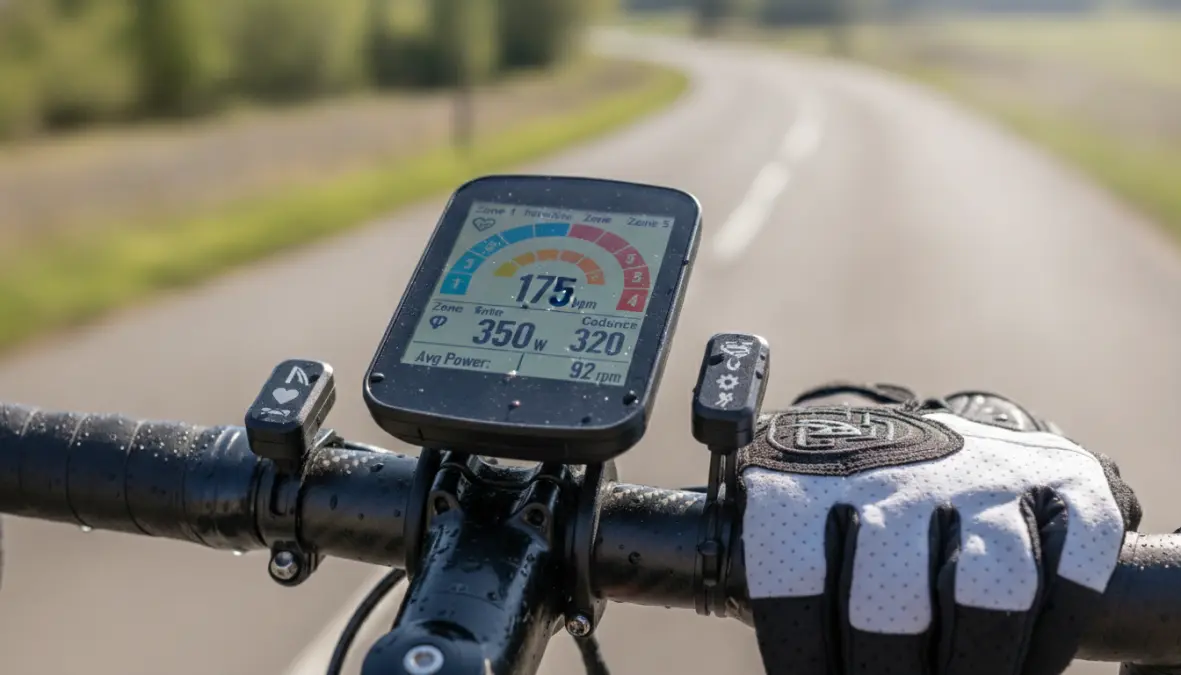
The game-changer is power meter compatibility. A cycling computer with power meter support displays real-time wattage, normalized power, intensity factor, and training stress score. These metrics allow precision training that heart rate alone can’t provide. Advanced units calculate VO2 max estimates, track training load to prevent overtraining, and monitor recovery status. These features integrate beautifully with power-based training programs and help structure your seasonal training progression.
Best Cycling Computer Options: Comparison by Rider Type and Budget
Navigating cycling computer reviews and conducting a thorough bike computer comparison reveals distinct categories based on budget and feature sets. The best budget cycling computer GPS options under $100 include models like the Bryton Rider 320 or Lezyne Mega C, offering basic GPS tracking, wireless cycling computer with cadence pairing, and 20+ hour battery life. These suit recreational riders or those new to structured training.
Mid-range computers ($100-300) represent the sweet spot for most enthusiasts. The Wahoo ELEMNT BOLT and Garmin Edge 530 provide comprehensive navigation, smartphone notifications via smartphone connectivity, customizable data screens, and compatibility with all sensor types. These are excellent cycling computers for serious cyclists who want performance data without breaking the bank.
Premium options above $300 include the Garmin Edge 1040 Solar, Wahoo ELEMNT ROAM, and Hammerhead Karoo 2. These feature touchscreen displays, color maps with terrain overlays, advanced training metrics like ClimbPro and stamina tracking, music controls, and incident detection. The best cycling computer for navigation in this tier provides automotive-grade routing with exceptional accuracy, perfect for long-distance touring or competitive racing.
| Model | Price Range | Key Features | Best For |
|---|---|---|---|
| Bryton Rider 320 | Under $100 | Basic GPS, 35hr battery, ANT+ | Budget riders |
| Garmin Edge 130 Plus | $150-200 | Compact, ClimbPro, solid battery | Minimalists |
| Wahoo ELEMNT BOLT | $250-280 | Aerodynamic, easy setup, color screen | Racers |
| Garmin Edge 530 | $300-350 | MTB dynamics, performance insights | All-rounders |
| Hammerhead Karoo 2 | $400 | Android-based, beautiful maps | Tech enthusiasts |
| Garmin Edge 1040 Solar | $600-750 | Solar charging, stamina tracking | Ultra-distance |
When comparing options, consider how each device fits your actual riding patterns. If you primarily train indoors during winter, check compatibility with indoor cycling apps, then use the computer outdoors during your transition to outdoor riding. Commuters should prioritize navigation and notifications, which make daily rides more efficient.
Frequently Asked Questions About Cycling Computers
Do I need GPS on my bike computer? GPS isn’t essential for basic speed and distance tracking, but it adds route recording, navigation, automatic ride uploads, and accurate elevation data. For anyone riding beyond familiar loops, a GPS cycling computer is invaluable.
What’s the difference between wireless and wired cycling computers? Modern wireless cycling computers use ANT+ or Bluetooth to connect with sensors, eliminating messy cables and simplifying bike transfers. Wired computers are essentially obsolete, offering no real advantages over wireless alternatives.
Can cycling computers measure heart rate? Most cycling computers with heart rate capability require a separate chest strap or optical armband sensor. The computer displays and records heart rate data but doesn’t measure it directly—dedicated sensors provide more accurate readings than wrist-based options.
How long do cycling computer batteries last? Battery life varies dramatically: basic models last 15-20 hours, mid-range units achieve 20-30 hours, and premium devices with solar charging can extend beyond 40 hours. Screen brightness, GPS refresh rate, and connected sensors all impact duration.
Are expensive cycling computers worth it? For recreational riders, probably not. But cycling computers for serious cyclists justify higher costs through advanced metrics, better navigation, superior build quality, and ecosystem integration that genuinely improves training effectiveness and riding enjoyment.
What cycling computer do professional cyclists use? Professionals typically use Garmin Edge or Wahoo ELEMNT series devices, chosen for reliability, power meter accuracy, team integration features, and sponsor relationships. The specific model matters less than proper sensor calibration and data analysis.
Selecting the best cycling computer ultimately depends on matching features to your cycling goals and budget. Whether you’re tracking basic metrics or analyzing power data, the right device becomes an indispensable training partner. Just remember to maintain your bike properly with a consistent maintenance schedule so your equipment keeps pace with the insights your new computer provides. Happy riding!