Best Cycling Shorts: Complete Guide to Chamois, Fit and Comfort
Ever wonder why some cyclists seem to glide effortlessly through 100-mile rides while you’re squirming after 20? The secret often isn’t fitness—it’s what’s between you and the saddle. Finding the best cycling shorts can transform your riding experience from painful endurance test to pure enjoyment. Whether you’re chasing personal records or just exploring local trails, the right padded cycling shorts make all the difference between loving every pedal stroke and dreading your next ride.
Understanding Chamois Quality: The Heart of Best Cycling Shorts
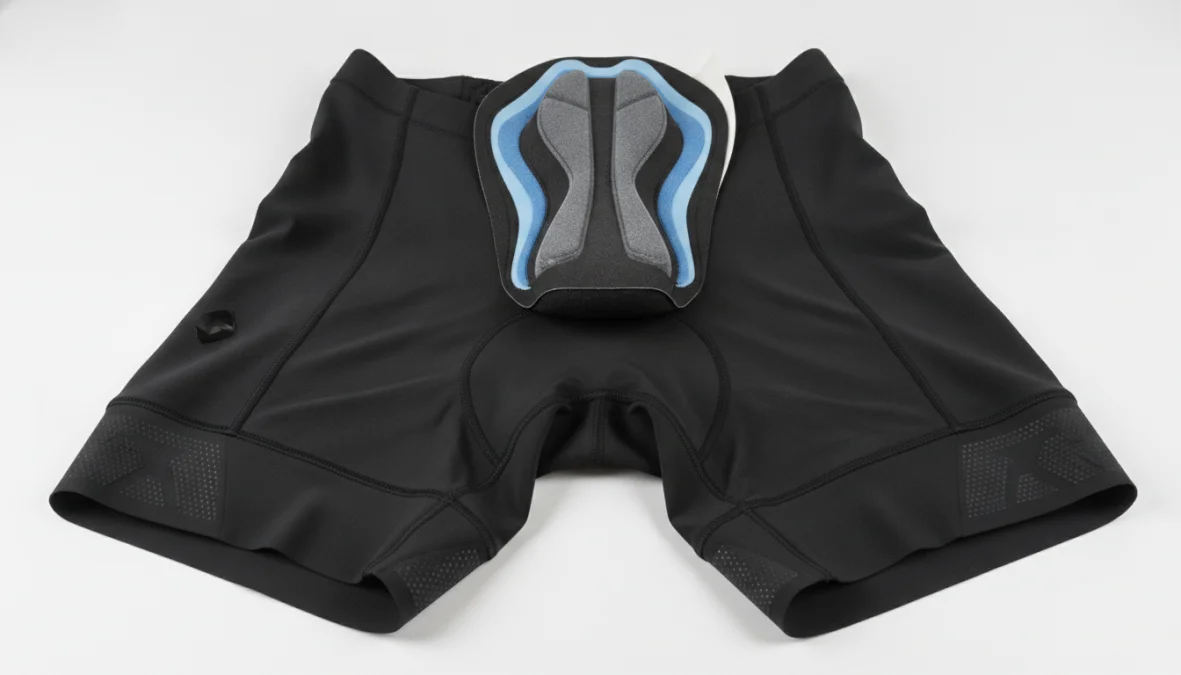
The cycling shorts chamois—that padded insert in your shorts—is literally where the rubber meets the road. Think of it as your personal suspension system, absorbing road vibrations and eliminating friction over thousands of pedal strokes. But not all chamois are created equal, and understanding the differences can save you from serious discomfort.
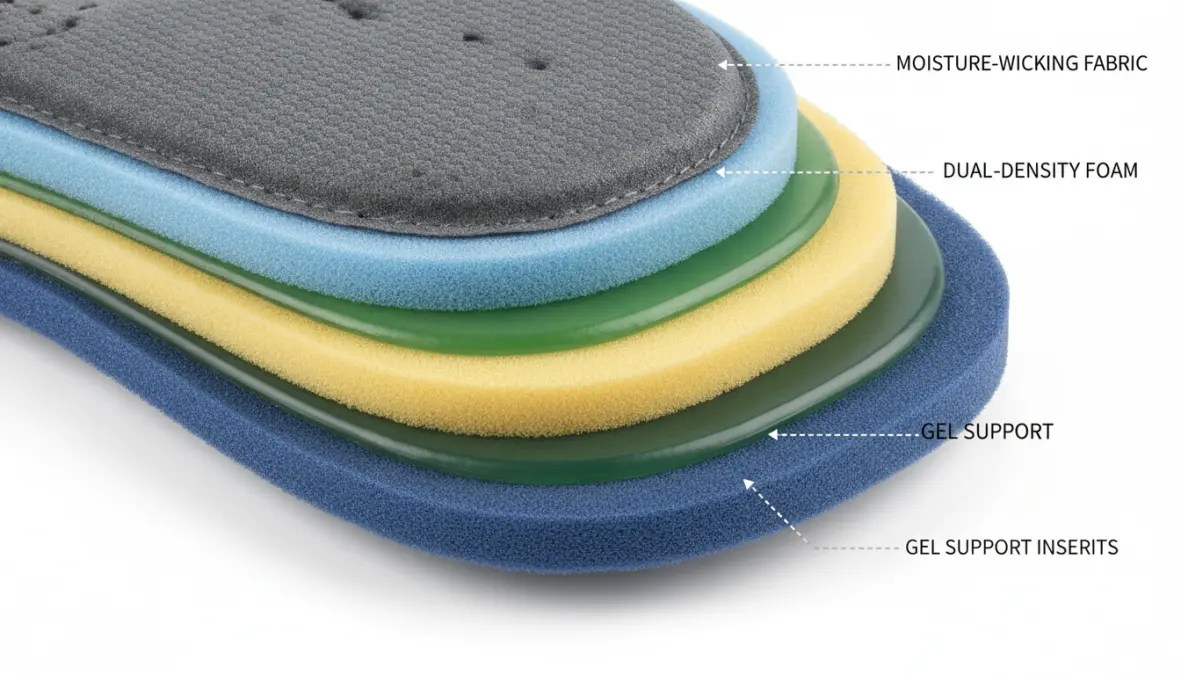
Premium chamois use multi-layer construction with varying foam densities strategically placed to support your sit bones while providing lighter cushioning where you need flexibility. High-quality options feature antimicrobial treatments and moisture-wicking properties that keep things dry and prevent bacteria growth—your first line of defense against saddle sores. Some best cycling shorts for long distance incorporate gel inserts or memory foam that molds to your anatomy over time.
Budget chamois (typically found in shorts under €40) usually consist of single-density foam that compresses quickly and loses effectiveness after 30-40 washes. Mid-range options (€60-120) offer multi-density foam with better moisture management, while premium chamois (€120+) provide anatomically-shaped designs with variable thickness zones and advanced fabrics that can last 200+ rides.
Here’s the crucial part: men’s and women’s chamois differ significantly in shape and padding placement, reflecting anatomical differences. Women’s chamois are typically wider at the front with different pressure point distribution. Using the wrong gender-specific design isn’t just uncomfortable—it can actually cause the problems you’re trying to prevent.
One often-overlooked advantage of cycling bib shorts over traditional shorts? The bib straps keep the chamois perfectly positioned throughout your ride, preventing the shifting that causes chafing. Whether you’re using indoor cycling apps for winter training or logging outdoor miles, consistent chamois placement matters.
How to Find the Perfect Fit: Bibs, Shorts and Gender-Specific Designs
The fit of your best bike shorts is arguably as important as chamois quality. Many beginners make the mistake of buying shorts that feel comfortable standing in a shop, only to discover they bunch, sag, or constrict during actual riding. Proper cycling shorts should feel snug—almost uncomfortably tight when standing—but disappear once you’re in the saddle.
The compression fit serves multiple purposes: it holds the chamois against your body without wrinkles, supports muscles to reduce fatigue, and creates a smooth aerodynamic profile. Quality moisture wicking fabric (usually a lycra/elastane blend) should provide four-way stretch without becoming transparent or bagging out after a few hours.
Pay attention to leg grippers—those silicone strips or elastic bands at the thigh openings. They should hold shorts in place without creating a tourniquet effect. Premium shorts use wide, soft grippers that distribute pressure evenly, while cheaper options often use narrow elastic bands that dig in and leave marks.
When considering your cycling shorts fit guide, understand the difference between race fit (very snug, minimal excess fabric, shorter length) and endurance fit (slightly more relaxed, longer inseam). If you’re wondering how to choose cycling shorts with good chamois, remember that fit and chamois quality work together—even the best chamois won’t help if the shorts don’t position it correctly.
Bib Shorts vs Traditional Waist Shorts
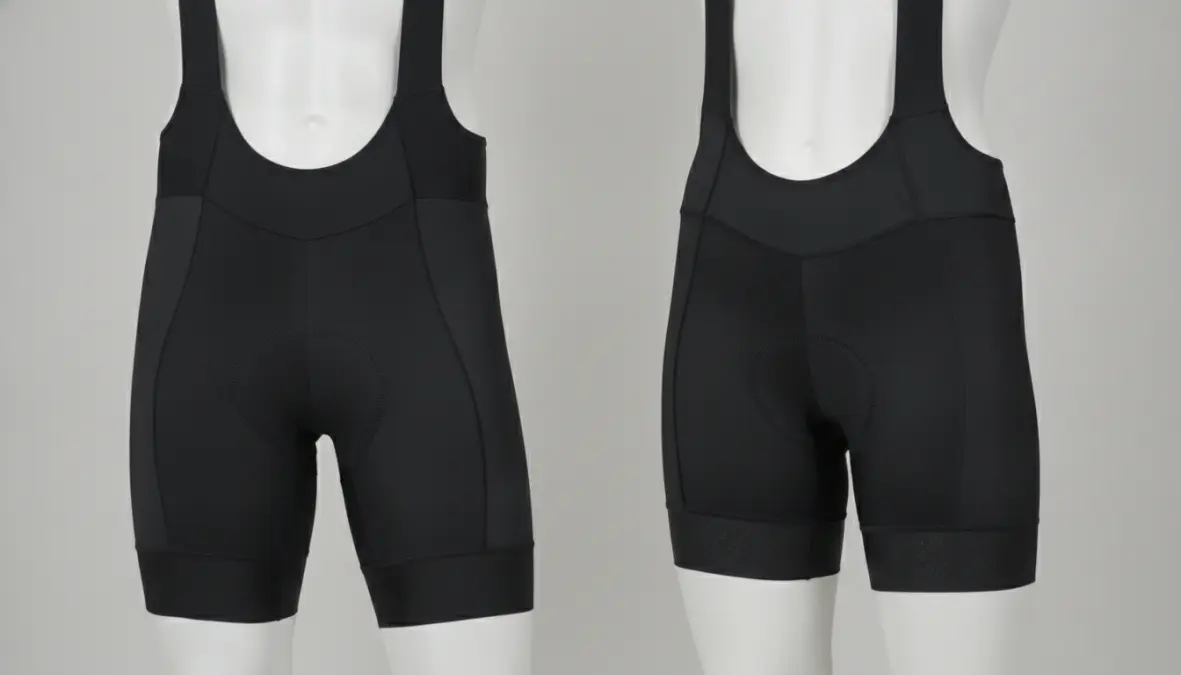
Ask any serious cyclist and they’ll tell you: cycling bibs win almost every time. The bib straps eliminate waistband pressure entirely, which becomes increasingly important on longer rides. No waistband means no restriction when you’re bent over the handlebars, no digging into your stomach, and no need to constantly adjust your shorts.
The best bib shorts for road cycling keep the chamois positioned perfectly without riding up or down. However, traditional waist shorts have their place—they’re easier for bathroom breaks and some riders simply prefer them for shorter rides or casual cycling. If you’re planning multi-day cycling adventures, the comfort advantage of bibs becomes even more pronounced.
Men’s vs Women’s Cycling Shorts: Real Differences
Men’s cycling shorts and women’s cycling shorts differ in more than just marketing. Women’s shorts feature wider chamois at the front, different padding thickness distribution, and a cut that accommodates wider hips and different torso proportions. The bib straps on women’s versions are designed to work around (not across) the chest, with many featuring adjustable or drop-tail designs for convenience.
Men’s designs provide more padding in the perineal area and are cut longer in the front. Attempting to use the wrong gender-specific shorts can lead to chafing, pressure points, and general discomfort. While some brands offer unisex options, they’re typically best for casual riding rather than serious training or long distances.
Key Features That Make the Best Cycling Shorts
Beyond chamois and fit, several features separate the most comfortable padded bike shorts from mediocre ones. Flatlock seams lie completely flat against skin, eliminating the raised ridges that cause irritation over time. Panel construction matters too—more panels generally means better anatomical fit, though it also increases cost.
Quality shorts use 6-12 panels of fabric cut and stitched to create a three-dimensional shape that wraps your legs and hips naturally. Cheaper shorts might use just 4-6 panels, resulting in excess fabric that bunches.
Look for inseam length appropriate to your riding style. Road cyclists typically prefer 7-9 inch inseams, while mountain bikers often choose slightly longer options for additional thigh coverage. Some premium shorts include UPF sun protection—valuable for those long summer rides when you’re tracking performance with power meters and focused on training.
Here’s what to expect at different price points for cycling shorts for preventing saddle sores:
- Entry-level (€30-60): Basic single-density chamois, 4-6 panel construction, standard elastic leg grippers. Good for beginners or casual riders under 2 hours.
- Mid-range (€60-120): Multi-density chamois, 8-10 panels, silicone grippers, antibacterial treatments. Suitable for regular riders and distances up to 100km.
- Premium (€120+): Anatomically-shaped premium chamois, 10+ panels, advanced fabrics with compression zones, maximum durability. Essential for serious training and best cycling shorts for long distance riding.
Maintenance matters for longevity. Always wash cycling shorts after each ride (bacteria from sweat degrades both fabric and chamois), use gentle detergent without fabric softener, air dry only, and never use the dryer. Quality shorts should last 100+ rides with proper care. Replace them when the chamois becomes compressed, the fabric loses elasticity, or you notice increased chafing prevention issues despite proper fit—usually every 1-2 seasons of regular riding.
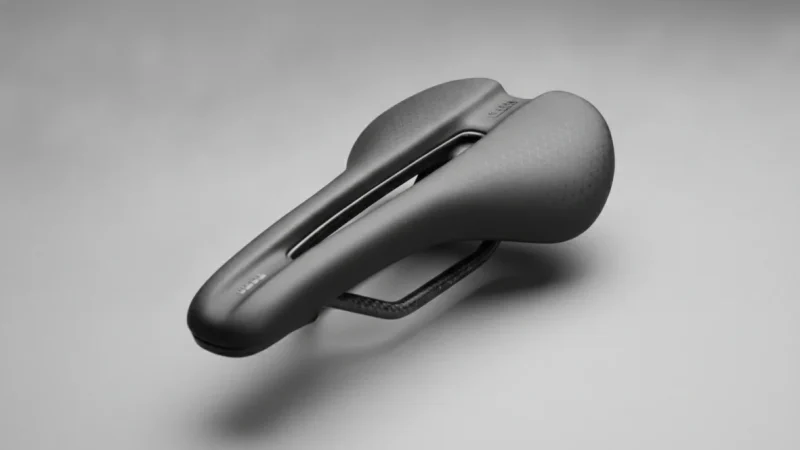
For optimal saddle comfort, remember that shorts work in combination with proper bike fit and saddle selection. Even the best shorts can’t compensate for a poorly positioned saddle. Similarly, proper recovery—including quality sleep—helps your body adapt to cycling demands.
Finding your perfect cycling shorts takes some trial and error, but the investment pays dividends in comfort and performance. Start with mid-range options from reputable cycling brands, prioritize fit and chamois quality over features like pockets or reflective details, and don’t hesitate to size up if you’re between sizes. Your sit bones will thank you on every ride, whether you’re transitioning from indoor to outdoor cycling or building your spring fitness base. The right shorts transform cycling from something you endure to something you genuinely look forward to.