Nitrate Supplementation for Cyclists: How Beetroot Juice Boosts Performance
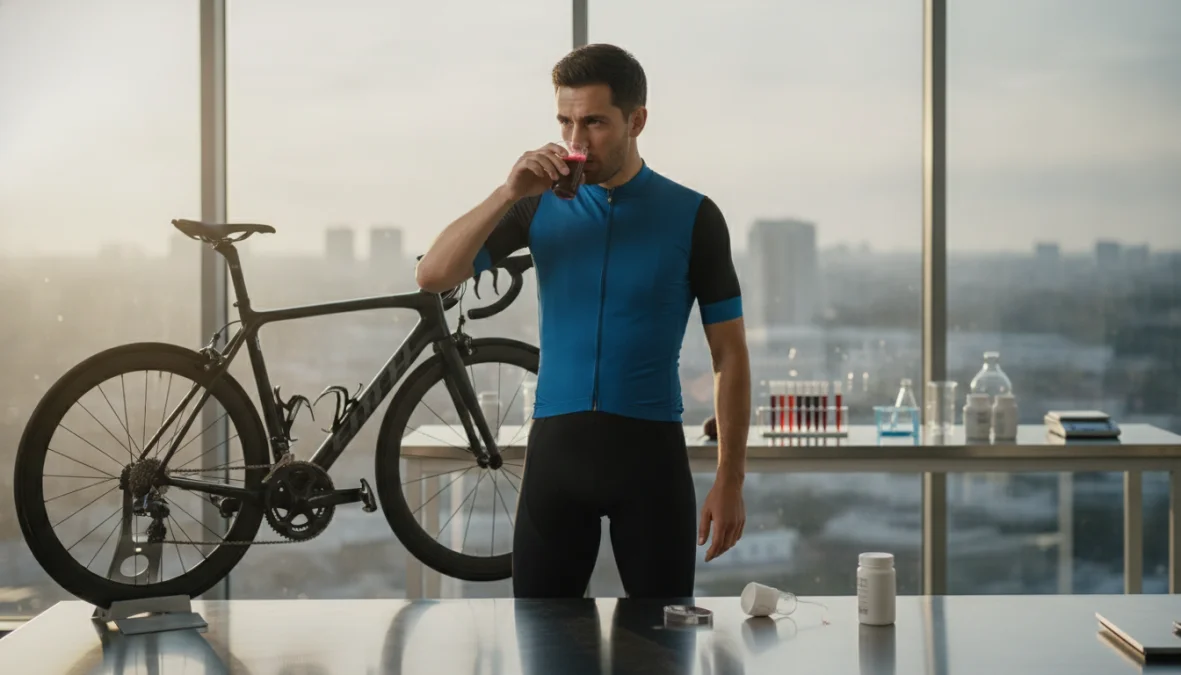
You’ve trained hard, dialed in your intervals, and perfected your nutrition strategy. But there’s one performance enhancer hiding in plain sight that might give you that extra edge on race day: nitrate supplementation cycling. Whether it’s a concentrated beetroot juice shot or a dietary nitrate supplement, this natural performance booster has gained serious traction among endurance athletes and professional cyclists alike. The deep purple liquid might not look like much, but the science behind how it works is pretty fascinating—and the performance gains are real.
How Nitrate Supplementation Works for Cycling Performance
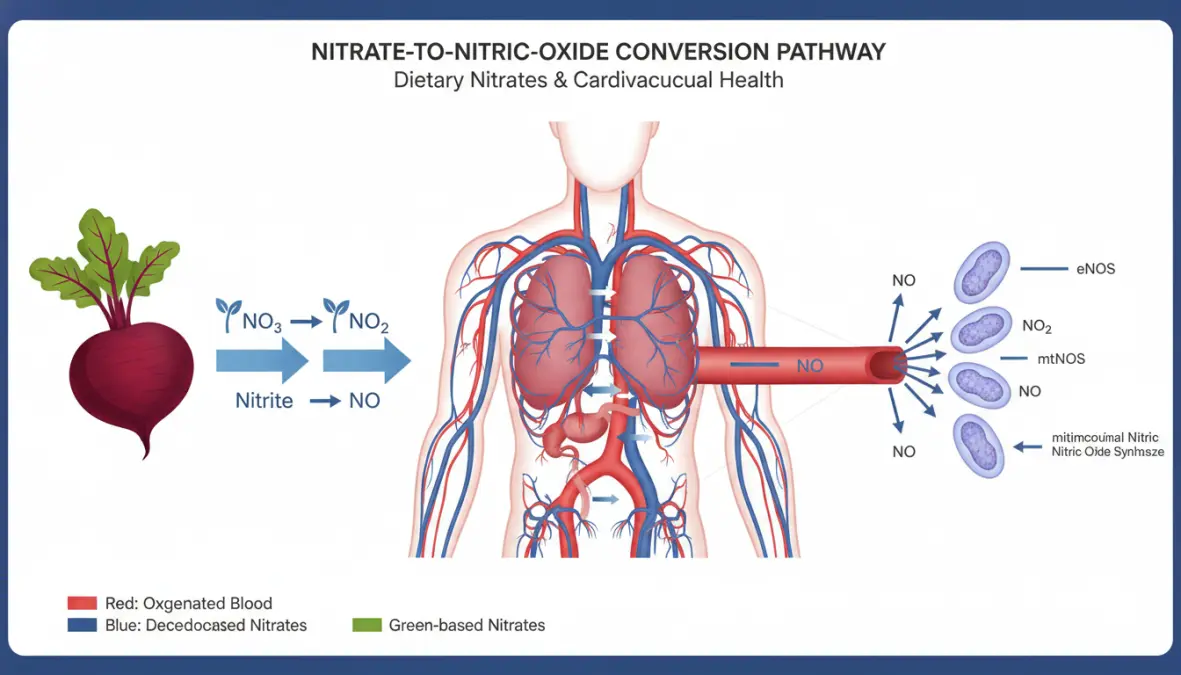
The magic of nitrate supplementation cycling starts with a surprisingly simple biochemical pathway. When you consume dietary nitrate cycling sources like beetroot juice, your body converts these nitrates (NO₃⁻) into nitrites (NO₂⁻) through bacteria in your mouth. Those nitrites then get converted into nitric oxide (NO) in your bloodstream and tissues—especially during exercise when oxygen levels drop.
Here’s where it gets interesting for cyclists: nitric oxide cycling performance improvements happen through multiple mechanisms. Nitric oxide acts as a powerful vasodilator, widening your blood vessels and improving blood flow to working muscles. This means better oxygen and nutrient delivery exactly when you need it most. But that’s just the beginning.
Research shows that nitrate supplementation actually improves mitochondrial efficiency—the power plants in your muscle cells work more economically, requiring less oxygen to produce the same amount of energy. Studies published in the Journal of Applied Physiology have demonstrated that nitrates reduce the oxygen cost of exercise by 3-5%, which translates directly to better exercise economy on the bike. Your muscles literally become more efficient at using available oxygen, improving vascular function and endothelial function throughout your cardiovascular system.
Proven Performance Benefits of Beetroot Juice for Cyclists
The real question is: does all this biochemistry actually translate to faster times? The answer is a resounding yes for most cyclists. Beetroot juice cycling performance benefits have been documented across numerous studies, with some pretty impressive numbers.
The primary advantages of beetroot juice benefits cycling include:
- Improved time trial performance: 2-3% time improvements in efforts lasting 4-30 minutes
- Extended time to exhaustion: 15-25% longer sustainable efforts at submaximal intensities
- Enhanced economy: Reduced oxygen consumption at the same power output
- Better performance at altitude: Compensates for reduced oxygen availability
- Faster recovery: Improved blood flow aids post-exercise muscle repair
For beet juice endurance athletes, these benefits are most pronounced during sustained, submaximal efforts—exactly the kind of work that dominates most cycling events. Similar to how proper caffeine timing can enhance performance, strategic nitrate supplementation provides a measurable edge.
Time Trial and Endurance Improvements
When it comes to does beetroot juice improve cycling power, the data is most compelling for time trial efforts. Studies show that cyclists typically see 1-3% improvements in 4km, 10km, and 40km time trials after nitrate supplementation. While that might not sound huge, a 2% improvement in a 40-minute TT means finishing nearly 50 seconds faster—enough to move up several places in most races.
The benefits are most evident during submaximal efforts (around 60-80% of VO2 max) rather than all-out sprints. This makes sense given how nitrate supplementation works—it improves oxygen efficiency and allows you to sustain higher power outputs for longer before reaching your lactate threshold. While you won’t necessarily see improvements in peak power or VO2 max improvement per se, you’ll be able to work closer to your maximum for extended periods.
Benefits for Different Cycling Disciplines
Not all cycling disciplines benefit equally from nitrate supplements for cyclists. Road cycling time trials and long endurance rides see the most significant gains, particularly during sustained climbs or breakaway efforts. Mountain biking benefits similarly during longer climbs and technical sections requiring sustained power output.
Track cycling pursuits (3-4 minutes) show measurable improvements, but shorter sprint events (less than 1 minute) typically don’t benefit much since they rely more on anaerobic metabolism. Criterium racing falls somewhere in between—the repeated hard efforts might see some benefit, though not as dramatic as longer events. If you’re building your fitness foundation with structured spring training, incorporating nitrate supplementation during key workouts can help maximize your adaptations.
How to Use Nitrate Supplements: Dosage, Timing, and Protocol
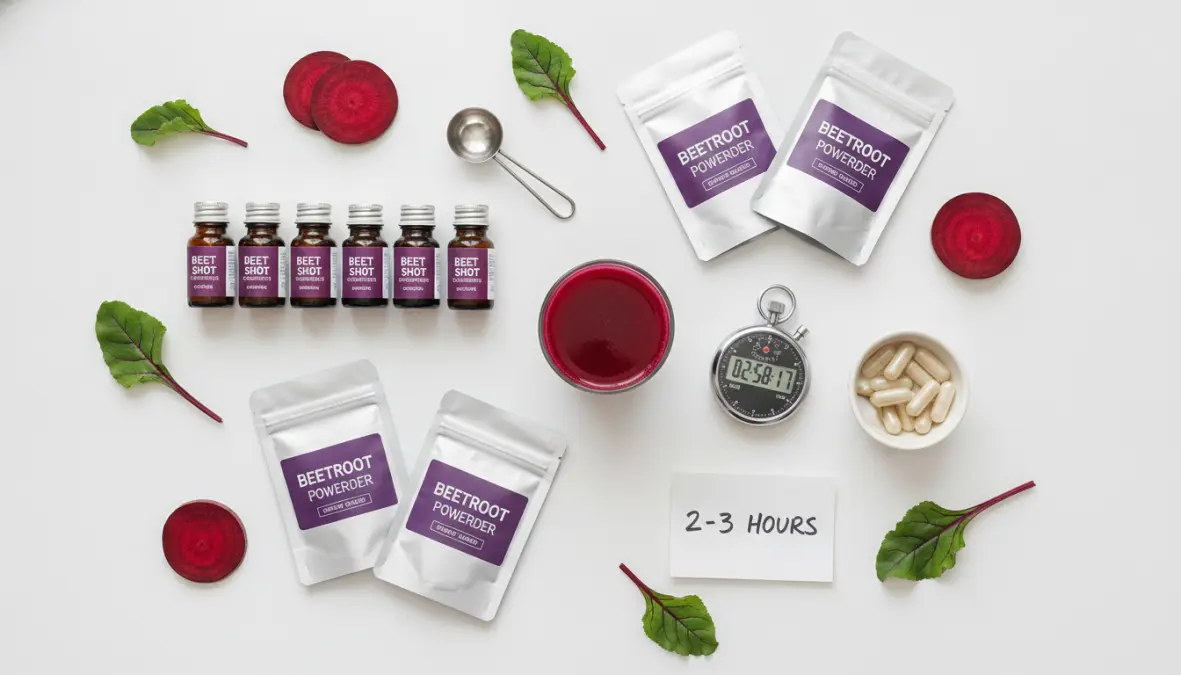
Understanding how much beetroot juice before cycling and when to take it makes all the difference. The effective dose is typically 300-600mg of nitrate, which equates to about 500ml (roughly 16oz) of concentrated beetroot juice or 70ml of a beetroot juice shot.
For beetroot juice dosage for cyclists, here’s the practical protocol:
Acute dosing: Consume your beetroot juice 2-3 hours before your ride or race. This timing allows for peak nitric oxide production when you need it most. The question of when to take beetroot juice before race is critical—too early and the nitric oxide levels drop; too late and you won’t get full conversion.
Nitrate loading cycling: For maximum benefit, consider a loading protocol of 5-7 days before an important event. Take your daily dose (500ml juice or equivalent supplement) consistently during this period. This nitrate supplementation timing for cycling approach saturates your system and may provide slightly better results than acute dosing alone, similar to how periodization strategies optimize training adaptations.
Regarding the best nitrate supplement for cycling performance and nitrate supplements vs beetroot juice cycling debate: concentrated beetroot juice shots offer convenience and standardized dosing. Powders and capsules work too, though absorption may vary. Whole beetroot juice provides additional beneficial compounds like antioxidants, but requires drinking larger volumes.
Important considerations: Avoid antibacterial mouthwash before and after taking nitrates—you need those oral bacteria for nitrate conversion. Don’t be alarmed by beeturia (pink urine or stools)—it’s harmless. Some athletes experience mild GI upset with high doses, so test during training, never on race day. Just as you’d experiment with nutrition strategies during training, practice your nitrate protocol well before competition.
FAQ: Nitrate Supplementation for Cyclists
How long before cycling should I drink beetroot juice?
The optimal timing is 2-3 hours before your ride or race. Plasma nitrite levels peak around 2-3 hours after consumption, which is when you’ll see maximum performance benefits. For morning races, this might mean drinking your beetroot juice shot with breakfast.
Does beetroot juice work for all cyclists?
Not equally. Less trained cyclists tend to see bigger improvements (up to 5%) compared to elite athletes (1-2%). Some people are “non-responders” due to individual differences in oral bacteria or metabolism. About 20-30% of athletes show minimal response, so testing during training is essential.
Are nitrate supplements legal in cycling?
Yes, completely. Dietary nitrate supplementation is not banned by any cycling federation or anti-doping agency. It’s considered a legitimate nutritional strategy, much like carbohydrate loading or caffeine supplementation.
What’s better: beetroot juice or nitrate supplements?
Both work if they deliver adequate nitrate (300-600mg). Concentrated shots offer convenience and consistent dosing. Whole juice provides additional nutrients but requires larger volumes. Capsules and powders work but may have variable absorption. The best beetroot juice for endurance cycling is whichever form you’ll actually use consistently.
Can I get enough nitrates from food alone?
Theoretically yes, but practically difficult. You’d need to eat large amounts of leafy greens, beetroot, or celery daily. For performance purposes, concentrated supplements deliver effective doses more reliably than trying to eat enough whole foods before a race.
Nitrate supplementation isn’t magic, but it’s one of the few evidence-based supplements that consistently delivers measurable performance gains for cyclists. Combined with proper strength training and smart periodization, those extra percentages can make the difference between a personal best and just another ride. The science is solid, the implementation is straightforward, and the potential gains are real. Whether you’re chasing KOMs or podium finishes, that deep purple shot might be exactly what your performance protocol is missing.