Cycling Glove Guide: How to Choose the Right Padding, Fit, and Prevent Hand Numbness
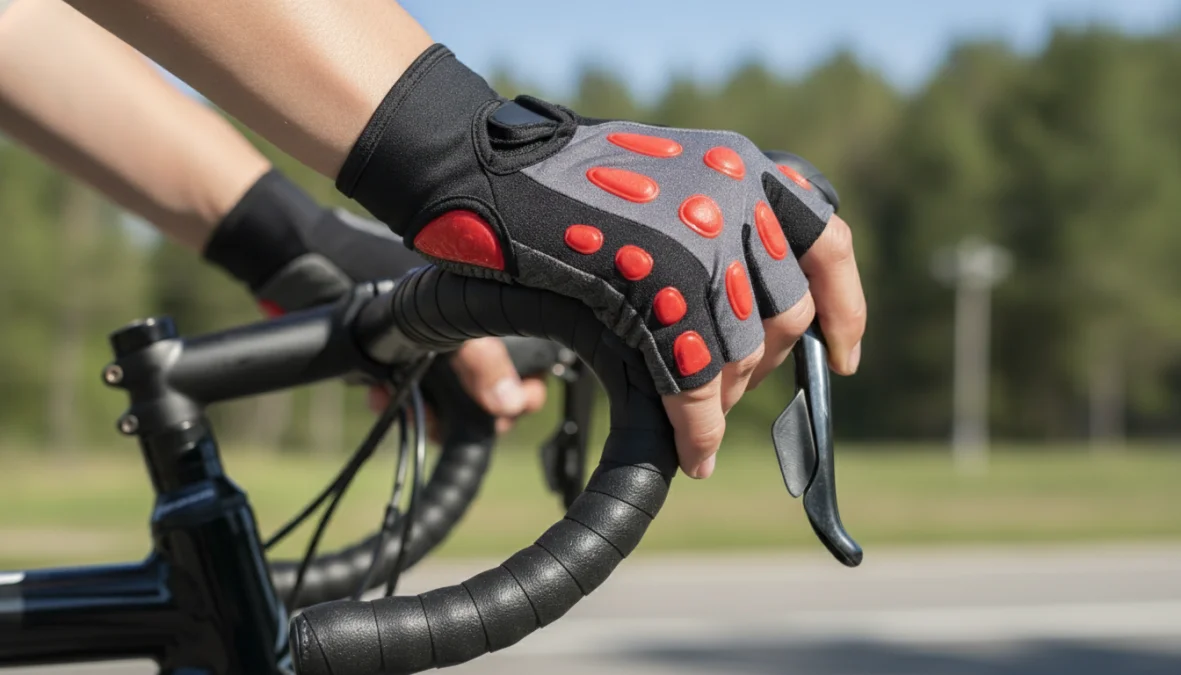
Ever felt your hands go numb halfway through a ride, forcing you to shake them out at every stoplight? You’re not alone. Hand numbness is one of the most common complaints among cyclists, but here’s the good news: the right cycling gloves can make a massive difference. This cycling glove guide will walk you through everything you need to know about padding, fit, and how to finally say goodbye to that tingling sensation that ruins otherwise perfect rides.
Understanding Cycling Glove Padding: Types and Benefits
When it comes to padded cycling gloves, not all padding is created equal. The primary job of cycling glove padding is to redistribute pressure away from sensitive nerves in your palms—specifically the ulnar and median nerves that run through your hands. When you grip handlebars for extended periods, these nerves get compressed, leading to numbness, tingling, and even long-term nerve damage if ignored.
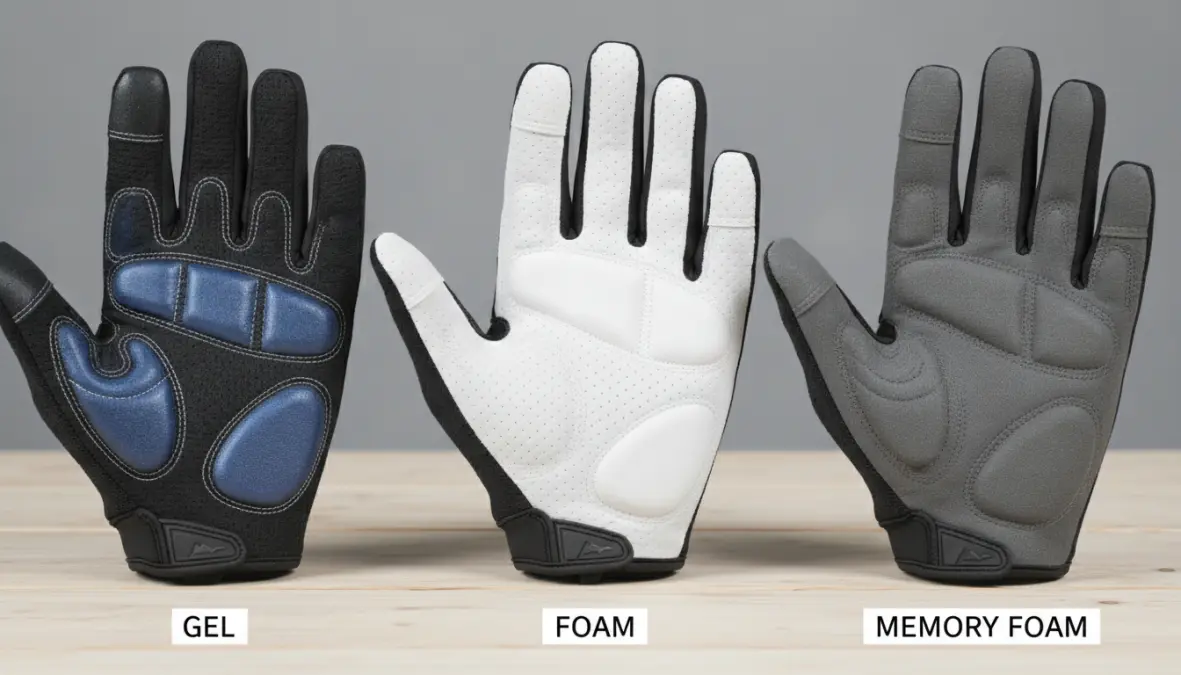
There are three main types of padding you’ll encounter:
- Gel padding: Offers excellent shock absorption and molds to your hand’s shape. It’s particularly effective for road cycling where vibration from pavement is constant. Gel provides superior dampening but can feel bulkier initially.
- Foam padding: Lighter and more breathable than gel, foam padding works well for shorter rides and warmer conditions. It compresses over time, so quality matters significantly.
- Memory foam: The premium option that combines the benefits of both. It adapts to your specific pressure points while maintaining its shape ride after ride.
Where the padding sits matters just as much as what it’s made from. Look for strategic palm padding placement in the ulnar zone (base of your pinky) and median zone (base of your thumb and center palm). These are the primary pressure points that cause handlebar numbness. Mountain bike gloves typically feature more aggressive padding across the entire palm to handle rough terrain and impact, while road cycling gloves use targeted padding to reduce handlebar pressure without sacrificing bar feel.
Here’s the trick: more padding isn’t always better. If you’re doing technical riding where precise brake and shift control matters, excessive padding can reduce grip comfort and feedback. For long endurance rides like training for a century ride, prioritize cushioning over feel. For criteriums or technical descents, less is often more.
Getting the Right Bike Glove Fit: Sizing and Comfort
Even the best padding won’t help if your gloves don’t fit properly. A proper bike glove fit is crucial for both comfort and nerve damage prevention. Too tight, and you’ll restrict circulation, making numbness worse. Too loose, and the padding shifts around, bunching up and creating pressure points instead of relieving them.
To nail your cycling glove sizing, measure around your dominant hand at the widest part (usually across your knuckles, excluding the thumb). Most brands use this measurement in inches or centimeters. A measurement of 7-8 inches typically corresponds to a small, 8-9 inches to medium, 9-10 inches to large, and above 10 inches to extra-large. However, sizing varies significantly between brands, so always check specific size charts.
When testing fit, pay attention to these areas:
- Fingers: Should reach the end of the glove without excess material bunching. For fingerless gloves, the openings shouldn’t cut into your fingers or restrict movement.
- Palm: The padding should align with your pressure points, not shift when you grip the bars.
- Wrist: Snug enough to stay in place but not so tight it creates a tourniquet effect.
Summer gloves generally fit tighter than winter models since you’re not wearing base layers underneath. Consider this when ordering—if you’re between sizes and planning to use gloves year-round, size up slightly.
Key Fit Features to Look For
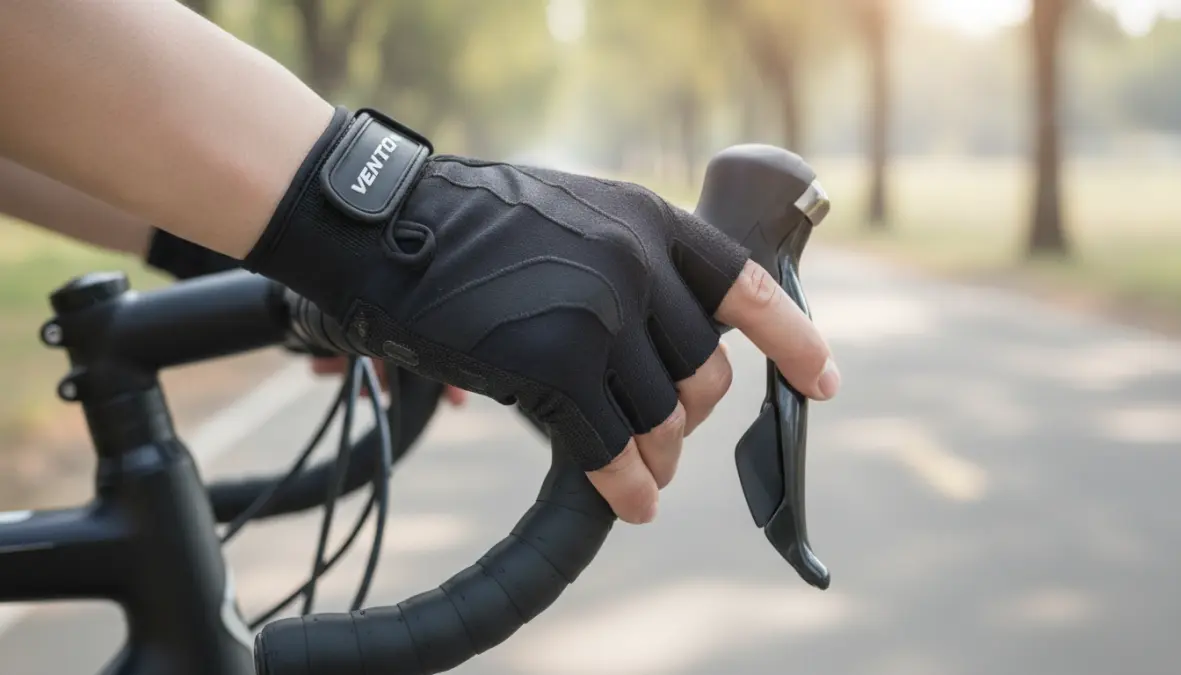
The best cycling gloves incorporate specific design features that enhance fit and function. Adjustable wrist closures (usually Velcro or elastic cuffs) let you fine-tune tightness throughout the ride as your hands swell slightly during exercise. Elasticized materials between fingers and on the back of the hand ensure the glove moves naturally with your hand rather than restricting it.
Ventilated mesh panels on the back and between fingers prevent overheating and sweat buildup, which can cause slipping and reduced grip comfort. Seamless or flatlock stitching in critical areas—especially where your palm contacts the bars—prevents chafing and hot spots during long rides. Some premium gloves feature extended finger lengths for better coverage and integrated pull-tabs between fingers for easier removal when your hands are sweaty.
Preventing Hand Numbness: Beyond the Gloves
While gloves are essential tools to prevent hand numbness cycling, they’re only part of the solution. Understanding why hands go numb helps you address the root causes. Ulnar nerve compression occurs when you lean too heavily on the outside of your palms, while median nerve compression happens when pressure concentrates in the center palm area. Both are exacerbated by poor bike fit, rigid grip, and static hand position.
The most effective handlebar numbness prevention strategy combines multiple approaches:
- Bike fit optimization: If you’re constantly bearing weight on your hands, your saddle might be tilted forward or your bars too low. A proper bike fitting can redistribute weight to your sit bones where it belongs.
- Vary hand positions: Change your grip every 5-10 minutes. Road cyclists should rotate between the hoods, drops, and tops. Mountain bikers can shift from aggressive to neutral grips.
- Relax your grip: Many cyclists death-grip their bars unnecessarily. Your hands should guide, not strangle, the handlebars. This excess tension accelerates hand fatigue and nerve compression.
- Core strength: Weak core muscles force your arms and hands to support more body weight than they should. Incorporating off-bike core work into your training routine pays dividends.
Consider complementary accessories: quality handlebar tape with extra cushioning, ergonomic grips designed to support your palms at natural angles, or bar extensions that offer additional hand positions. For multi-day adventures like bike packing trips, these extras become necessities rather than luxuries.
Simple stretches and exercises help too. Before rides, do wrist circles, finger flexion/extension, and nerve glides to prepare your hands. During long rides, periodically shake out your hands, let them dangle while rolling easy sections, and consciously relax your shoulders and grip.
Choosing the Best Cycling Gloves for Your Needs
Your ideal gloves depend on your specific riding style and conditions. Road cyclists tackling long endurance rides benefit from gloves with generous gel or memory foam padding and good ventilation. Mountain bikers need full-palm coverage with impact-resistant padding and secure wrist closures to handle rough terrain. Gravel riders often prefer a hybrid approach—moderate padding with excellent grip for mixed surfaces.
Weather plays a role too. Summer gloves prioritize breathability and minimal coverage, often going fingerless for maximum ventilation. Transitional weather when moving from indoor to outdoor cycling calls for lightweight full-finger options. Winter demands insulated gloves, though you may sacrifice some padding for warmth—consider liner gloves with padded outer shells.
If you specifically struggle with numbness, look for gloves advertising ulnar or median nerve protection with targeted padding zones. These typically cost more but address the problem directly. Budget options can work well for casual riding, but if you’re logging serious miles or dealing with persistent numbness issues, premium gloves with advanced padding technology and superior construction quality justify the investment.
Pay attention to material durability in high-wear areas like the palms and between thumb and forefinger. Synthetic leather or reinforced sections here extend glove life significantly, especially if you’re also working on your cycling efficiency with tools like power meters that require frequent hand positioning on the bars.
Finding the perfect cycling gloves takes some experimentation, but armed with this cycling glove guide, you’re well-equipped to make informed choices. Remember: gloves should feel like a natural extension of your hands, not a barrier between you and the bike. When you nail the right combination of padding, fit, and riding technique, those numb hands become a distant memory, and you can focus on what really matters—enjoying the ride.