How to Ride No-Hands on a Bike: Master Balance and Control Techniques
Ever watched a fellow cyclist cruising down the road with their hands casually off the handlebars and thought, “I wish I could do that”? Good news: learning to ride bike no hands isn’t some mystical skill reserved for cycling wizards. It’s a practical technique that improves your bicycle balance control, boosts your cycling confidence skills, and lets you stretch, adjust your gear, or just show off a little during your rides. Whether you’re curious about how to learn riding bike with no hands or wondering if it’s even safe, this guide breaks down everything you need to master hands free cycling.
Understanding the Physics of No-Hands Bike Riding
Before you start letting go of those bars, it helps to understand what’s actually keeping you upright when you ride bike no hands. The secret lies in a combination of gyroscopic forces and dynamic balance. When your wheels spin, they create a gyroscopic effect that naturally resists changes in direction—essentially, the faster you go, the more stable your bike becomes. This is why hands free cycling feels impossible at slow speeds but becomes surprisingly manageable once you hit a moderate pace.
Your bike’s geometry plays a huge role too. The head tube angle, fork rake, and wheelbase all affect how stable your bike feels without hands. Road bikes with longer wheelbases typically handle no handed cycling better than twitchy criterium bikes. If you’re riding a gravel bike versus a road bike, you might notice differences in stability—check out our comparison on gravel bike vs road bike characteristics to understand why.
Your body acts as the primary balancing mechanism through subtle weight shifts. When riding bike without hands, your hips, core, and knees make micro-adjustments that steer the bike beneath you. It’s similar to balancing a broomstick on your palm—small corrections maintain equilibrium. Proper bike balance techniques rely on keeping your upper body relaxed while your lower body and core do the stabilizing work.
Step-by-Step Guide to Riding Bike Without Hands
Ready to actually learn to ride no hands? This progressive approach minimizes fear and maximizes success. The key is patience—rushing the process is the fastest way to end up grabbing for the bars in a panic.
Preparation and Safety Essentials
First things first: location matters enormously. Find a quiet, straight road or bike path with smooth pavement and zero traffic. Parks with paved loops work perfectly. Avoid areas with potholes, gravel patches, or any reason you’d need to brake suddenly. As for the best way to ride bike without holding handlebars, it starts with proper bike setup.
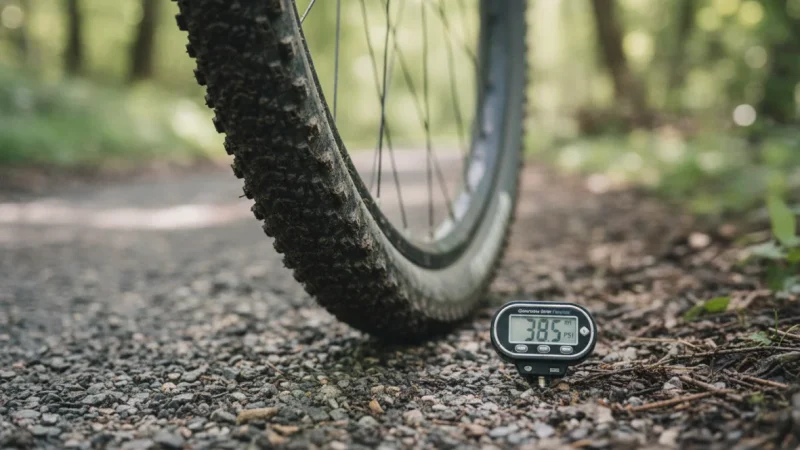
Check your tire pressure—underinflated tires make balance harder. Ensure your headset and stem are tight, and your handlebars are perfectly aligned with your front wheel. A proper bike fit helps immensely with balance; if your position feels off, our bike fitting guide can help you dial in your setup.
Wear your helmet and consider gloves for better grip during the learning phase. Start at a moderate speed—around 12-15 mph is the sweet spot. Too slow and you won’t have enough gyroscopic stability; too fast and corrections become scary. Get your pedaling rhythm balance smooth and consistent before attempting anything hands-free.
The Progressive Learning Method
Here’s the beginner guide to hands free bike riding that actually works:
Step 1: One Hand at a Time – Start by riding with just one hand on the bars, keeping a steady pace. Alternate hands for 30-second intervals. Notice how your body naturally compensates. This builds the neural pathways for steering with body weight.
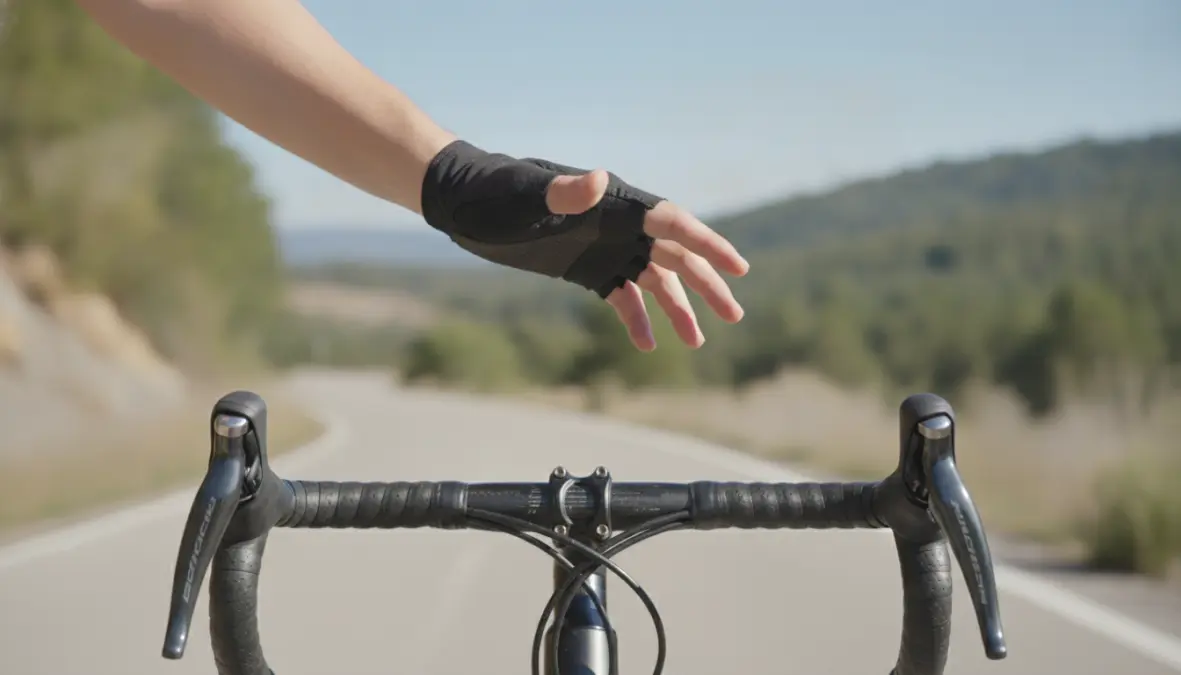
Step 2: Hover and Touch – Keep both hands hovering just above the handlebars, barely touching them with your fingertips. Focus on using your core and hips to maintain direction rather than steering with your hands. This is where core strength cycling becomes obvious—a strong core makes balance significantly easier.
Step 3: Progressive Release – Place one hand on your thigh or the top tube while the other hovers near the bars. Count to five, then switch. Gradually increase the duration. Your goal is to feel the bike’s natural handlebar stability and trust it.
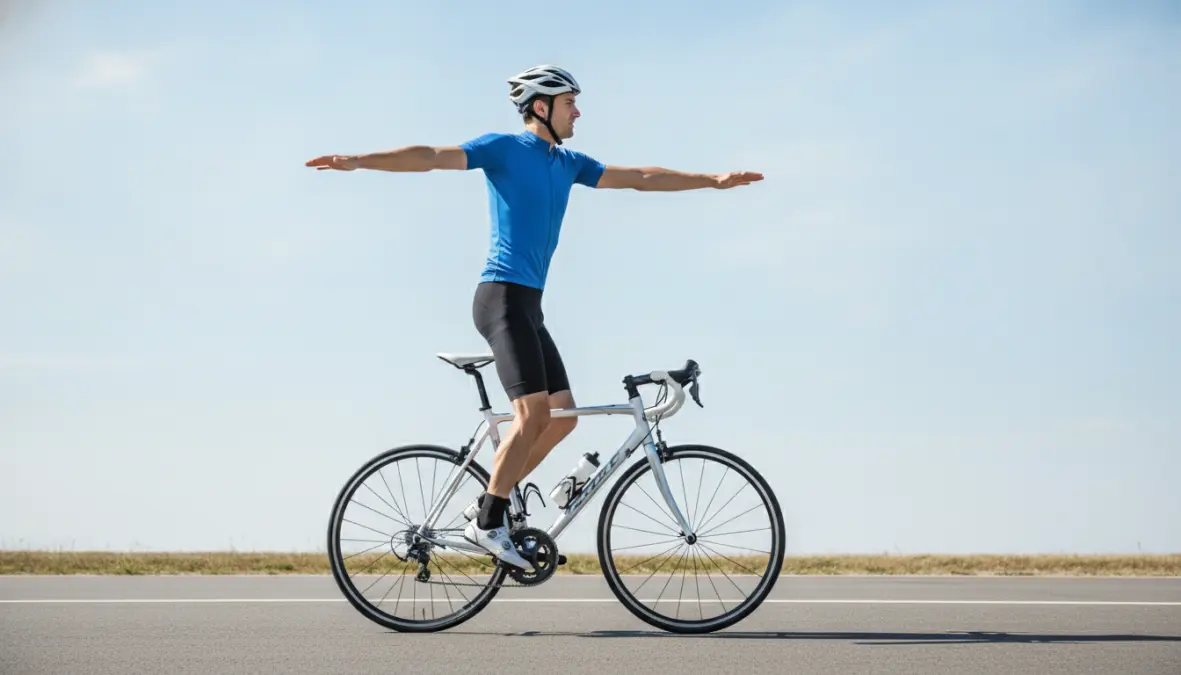
Step 4: Both Hands Free – When you’re ready, lift both hands slightly off the bars, keeping them nearby. Start with just 2-3 seconds. Body positioning bike technique is crucial here: sit upright with your weight centered, knees gently gripping the top tube, and eyes focused far down the road—never at your front wheel.
To correct drift without hands, use subtle hip shifts. Leaning slightly left steers left; leaning right goes right. Your knees can also nudge the bike—pressing your right knee against the top tube steers right. These micro-adjustments become intuitive with practice.
Advanced No-Hands Cycling Techniques and Troubleshooting
Once you’ve mastered basic no hands bike riding, you can level up. Maintaining direction requires looking where you want to go—your bike follows your gaze. To turn while hands-free, shift your weight and lean your upper body in the desired direction. It feels weird at first but becomes second nature.
Riding downhill without hands is easier due to increased speed and stability, but requires confidence. Climbing no-hands is trickier—you’ll need strong core strength cycling abilities to maintain balance while generating power through your legs. If you’re training for longer rides, like in our century ride preparation guide, no-hands skills let you stretch and relieve fatigue during those long hours.
Common mistakes to avoid: Tensing up is enemy number one. Stiff shoulders and locked arms create instability. Looking down at your wheel disrupts balance—always look ahead. Going too slow removes gyroscopic stability, while overcorrecting when you wobble amplifies the problem. If you start to lose it, calmly reach for the bars rather than making dramatic movements.
Tips for riding hands free on bicycle with consistency: Practice bike control exercises regularly, even just 30 seconds during each ride. Work on your core strength off the bike—planks, side planks, and rotational exercises all improve bicycle equilibrium. Gradually increase your no-hands duration from seconds to minutes. Some cyclists find that proper knee positioning prevents issues like knee pain when practicing these techniques.
If your bike consistently pulls to one side, check for wheel alignment issues, uneven tire pressure, or a bent fork. Sometimes it’s just the road camber—practice on flat, level surfaces first.
Frequently Asked Questions
Is it legal to ride a bike with no hands?
In most places, yes, though laws vary by jurisdiction. Some areas require at least one hand on the handlebars in traffic. Always check local regulations and use common sense—save no-hands riding for safe, appropriate environments, not busy intersections.
How long does it take to learn no-hands cycling?
Most people achieve basic no handed cycling within 2-4 practice sessions, assuming 20-30 minutes per session. Complete confidence might take a few weeks. How long does it take to learn no hands cycling depends heavily on your existing balance skills and practice frequency.
What speed is best for riding without hands?
The optimal speed is 12-18 mph for most riders. Below 10 mph, you lack sufficient gyroscopic stability. Above 20 mph, corrections require more confidence, though experienced riders find higher speeds easier.
Can you ride no-hands on any type of bike?
Most bikes work, but geometry matters. Road bikes and touring bikes with relaxed geometry are easiest. Mountain bikes with steep angles are harder. Track bikes and fixies require different techniques due to the lack of coasting.
Is it safe to ride bike no hands?
When practiced in controlled environments with proper progression, yes. However, avoid no-hands riding in traffic, on technical terrain, in wet conditions, or anywhere requiring quick reactions. It’s a skill for appropriate times and places, much like the awareness needed for group ride safety.
Conclusion: Mastering the ability to ride bike no hands isn’t just about showing off—it’s about developing deeper bicycle balance control and connecting more intimately with how your bike handles. Start slowly, practice in safe spaces, and trust the process. Before long, you’ll be cruising confidently with hands-free, whether you’re stretching on a long ride, adjusting your cycling gear, or simply enjoying the freedom of the road. Now get out there and let go of those handlebars!