Nitric Oxide Supplements for Athletes: Do They Really Boost Performance?
You’ve probably seen those colorful pre-workout bottles promising insane pumps, explosive energy, and superhuman endurance. The secret ingredient? Nitric oxide supplements athletes swear by. But here’s the million-dollar question: do these nitric oxide boosters actually deliver on their promises, or are they just another overhyped trend in the crowded supplement market? Let’s cut through the marketing hype and look at what science actually tells us about these popular performance aids.
What Are Nitric Oxide Supplements and How Do They Work?
First things first: nitric oxide supplements athletes take don’t actually contain nitric oxide itself. That would be pretty impractical since nitric oxide (NO) is a gas that your body produces naturally. Instead, these vasodilation supplements contain precursor ingredients that help your body manufacture more NO on its own.
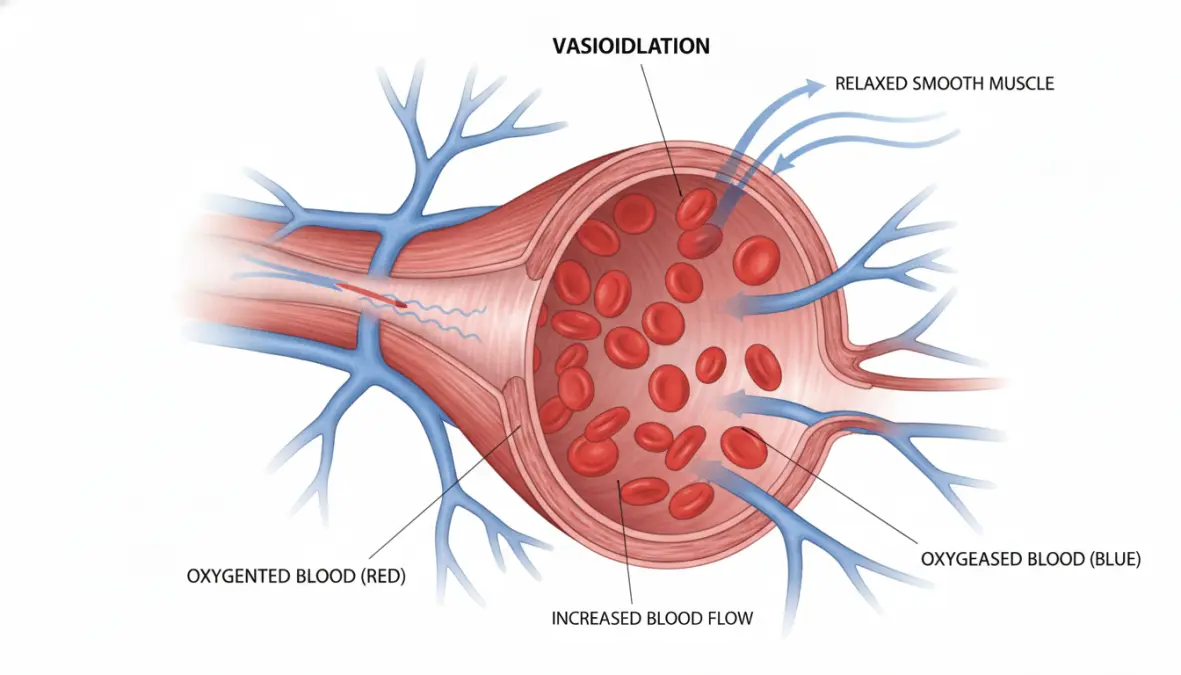
Your body naturally produces nitric oxide in the endothelium (the inner lining of blood vessels) where it acts as a signaling molecule that tells your blood vessels to relax and widen. This process, called vasodilation, increases blood flow throughout your body—including to your working muscles during exercise. Think of it like opening more lanes on a highway: more pathways mean better traffic flow.
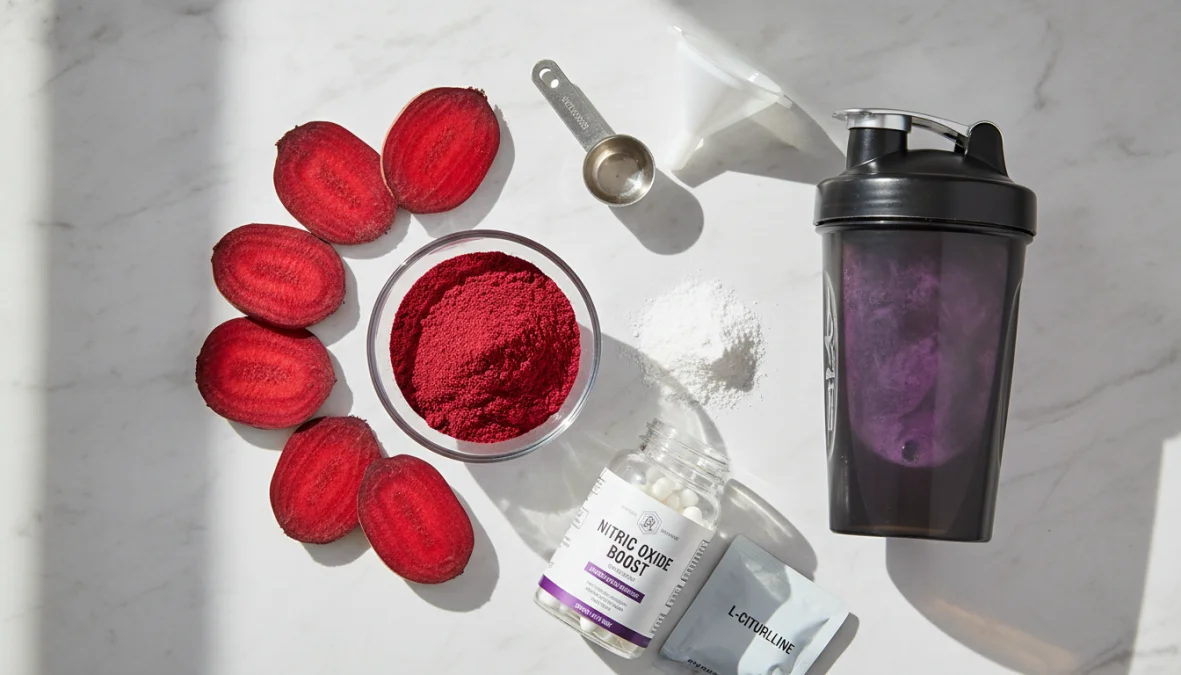
The most common ingredients in nitric oxide boosters include L-arginine, L-citrulline, and beetroot extract. L-arginine directly converts to nitric oxide in your body, while L-citrulline converts to arginine first (and actually does so more efficiently). Beetroot extract is rich in dietary nitrates, which your body converts through a different pathway into nitric oxide. The goal of all these ingredients? Enhance blood flow enhancement and improve muscle oxygen delivery when you need it most—during training.
The Science Behind Nitric Oxide and Athletic Performance
Now for the evidence. Research on NO supplements athletes use shows mixed but generally promising results, depending on the type of exercise and the specific ingredient being studied. The relationship between nitric oxide performance and actual athletic gains isn’t as straightforward as supplement labels might suggest.
Multiple studies have examined these athletic performance supplements across different sports and training modalities. The catch? Results vary significantly based on factors like training status, dosage, timing, and individual response. Some athletes experience noticeable improvements in exercise capacity, while others see minimal changes. This variability is crucial to understand before you invest your hard-earned cash.
One interesting pattern emerges from the research: endurance supplements athletes take seem to show more consistent benefits compared to strength-focused protocols. The improved vascular function and oxygen efficiency appear to matter more during sustained aerobic efforts than short, explosive movements. That said, there’s still value for strength athletes—just perhaps not as dramatic as some marketing claims suggest.
Strength and Power Output
For weightlifters and resistance training enthusiasts, the evidence is somewhat mixed but cautiously optimistic. Several studies have shown that pre workout nitric oxide supplementation can increase the number of repetitions performed to failure, particularly in multi-set protocols. The famous “pump” you feel? That’s increased blood flow filling your muscles, and it’s not just for show—it may actually contribute to performance.
Research on L-citrulline specifically has demonstrated improvements in total work performed during resistance training sessions. One study found subjects could complete more reps across multiple sets of bench press when supplementing with 8 grams of citrulline malate. Time to exhaustion in high-intensity exercise also showed modest improvements in some trials. However, effects on maximal strength (one-rep max) are less convincing. If you’re chasing pure power, NO boosters might not be your best investment compared to other proven sports nutrition strategies.
Endurance and Cardiovascular Benefits
This is where nitric oxide supplements really shine. Studies on runners, cyclists, and other endurance athletes show more consistent positive results. Beetroot juice supplementation—one of the richest sources of dietary nitrates—has become particularly popular after research demonstrated it can reduce the oxygen cost of exercise, meaning you can maintain the same pace while using less energy.
Several studies have documented improvements in time trial performance ranging from 1-3% in trained cyclists after beetroot supplementation. While that might sound small, in competitive athletics, those margins separate podium finishes from also-rans. Research has also shown potential benefits for VO2 max and overall oxygen efficiency, though these effects tend to be more pronounced in recreational athletes than elite performers. For more on understanding these performance metrics, check out our guide on Sports Performance Testing: VO2 Max, FTP, and Lactate Threshold Explained.
When comparing beetroot juice vs nitric oxide supplements in capsule form, whole beetroot juice often shows better results in studies, possibly due to additional beneficial compounds beyond just nitrates. However, the convenience and stomach-friendliness of capsules make them attractive alternatives for athletes who don’t want to down beet juice before every workout.

Should You Add NO Boosters to Your Supplement Stack?
So, do nitric oxide supplements work for athletes? The honest answer: it depends. They’re not magic bullets, but they can provide modest, measurable benefits for the right athletes in the right contexts. Here’s how to think about whether they deserve a spot in your supplement routine alongside other proven aids like those discussed in our Caffeine and Athletic Performance guide.
Best candidates for NO supplementation: Endurance athletes, recreational to intermediate-level athletes (elite athletes show less pronounced benefits), and those doing high-volume resistance training. If you’re training for a marathon, triathlon, or lengthy cycling events, the best nitric oxide boosters for endurance might offer you tangible advantages.
Regarding timing, most research supports taking nitric oxide supplements before workout—typically 30-90 minutes prior to training. For beetroot products, 2-3 hours before seems optimal. Dosages that show benefits in studies include 6-8 grams of L-citrulline, 3-6 grams of L-arginine, or 300-600mg of dietary nitrates from beetroot extract. However, L-citrulline tends to outperform L-arginine due to better absorption and conversion rates.
What should you realistically expect? Think 2-5% improvements in endurance performance, slightly better muscle pumps, possibly improved recovery between sets, and enhanced blood flow. Don’t expect dramatic strength gains or miraculous transformations. These are marginal gains that matter most when other fundamentals—training, sleep, nutrition—are already dialed in. Speaking of nutrition, combining NO supplements with anti-inflammatory foods might optimize your recovery protocols.
Regarding side effects of nitric oxide boosters athletes report, most are mild: potential digestive upset (especially with L-arginine), headaches, or slight blood pressure changes. Those with cardiovascular conditions or taking blood pressure medications should consult healthcare providers first. There’s also the cost-benefit consideration—NO supplements aren’t cheap, and for some athletes, investing in quality whole foods or proven ergogenic aids might deliver better returns.
Natural alternatives? Absolutely. A diet rich in nitrate-containing vegetables (beets, spinach, arugula, celery) can boost your natural NO production. For plant-based athletes specifically, our Plant-Based Protein Sources guide offers complementary nutritional strategies. Combine this with adequate L-citrulline from watermelon and L-arginine from nuts and seeds, and you’ve got a food-first approach to vasodilation.
Bottom line? Nitric oxide supplements offer legitimate but modest benefits, particularly for endurance athletes and those doing high-volume training. They work best as part of a comprehensive athletic performance supplements strategy, not as standalone solutions. If your training, recovery (learn more about avoiding overtraining), and basic nutrition aren’t optimized yet, fix those first. But if you’re looking for that extra edge and have the budget, science suggests NO boosters can deliver measurable improvements for many athletes.
FAQ
How long does it take for nitric oxide supplements to work?
Acute effects typically occur within 30-90 minutes of ingestion, with peak nitric oxide levels around 60 minutes post-consumption. For beetroot-based products, allow 2-3 hours for optimal nitrate conversion. Some research suggests chronic supplementation (several weeks) may enhance baseline vascular function, though acute pre-workout dosing is the most common and researched protocol.
Are nitric oxide supplements safe for athletes?
Generally yes, for healthy athletes. Common ingredients like L-citrulline, L-arginine, and beetroot extract have good safety profiles at recommended doses. Minor side effects may include digestive discomfort or headaches. Athletes with cardiovascular conditions, low blood pressure, or those taking medications affecting blood pressure should consult healthcare providers. Avoid excessive dosing beyond research-supported amounts.
What’s better: L-arginine or L-citrulline?
L-citrulline is generally considered superior for boosting nitric oxide levels. While L-arginine directly converts to NO, it undergoes extensive first-pass metabolism in the liver and intestines, reducing bioavailability. L-citrulline bypasses this issue, converts to arginine in the kidneys, and produces more sustained NO elevation. Most recent research favors 6-8 grams of L-citrulline or citrulline malate for performance benefits.
Can you get enough nitric oxide from food?
Absolutely. Nitrate-rich vegetables like beetroot, spinach, arugula, and celery can significantly boost NO production. Foods containing L-citrulline (watermelon) and L-arginine (nuts, seeds, legumes) also support natural NO synthesis. While whole foods may not provide the concentrated doses used in research studies, they offer additional nutrients and phytochemicals. For maximum effect, many athletes combine dietary sources with targeted supplementation.
Do professional athletes use NO supplements?
Many do, particularly in endurance sports. Beetroot juice has become especially popular among elite cyclists, runners, and triathletes based on supporting research. However, professional athletes typically use NO boosters as one component within comprehensive nutrition and supplementation programs. Effects may be less pronounced in highly trained individuals compared to recreational athletes, so pros carefully evaluate cost-benefit ratios and individual responses.